Silent Loneliness After Widowing: What It Is and How to Cope
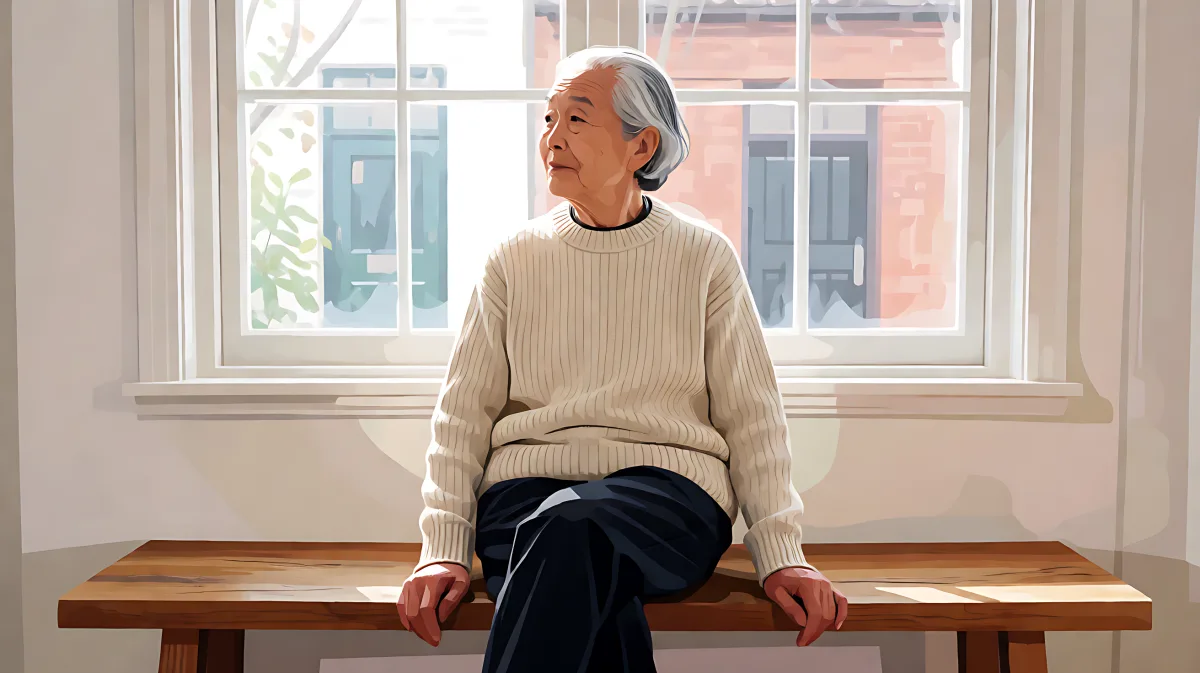
Loss of a spouse often leads to a profound, quiet isolation. Discover the psychological mechanisms behind silent loneliness and practical steps to rebuild connection.
Silent loneliness after widowhood is a profound state of isolation where the absence of a spouse creates a quiet, pervasive emptiness that differs significantly from acute grief. It is characterized by a lack of social stimulation and internal emotional suppression, often leading to a feeling of being unseen despite physical proximity to others.
The journey of losing a long-term partner does not end with the funeral. For many, the immediate shock of death gives way to a slower, more insidious experience: the silent hollow of daily life without that central figure. This phenomenon is not merely a transition period but a distinct psychological state that affects millions of widows and widowers in the United States and the United Kingdom. Unlike the intense, noisy pain of early bereavement, this type of loneliness is quiet. It sits in the corners of the house, in the unused guest room, and in the silence of a conversation that no longer has two equal voices.
Why Does Loneliness Feel Silent After Loss?
To understand this phenomenon, we must look at the shift in emotional processing. Grief is often expressive, involving tears, anger, and vocal pain. Silent loneliness, however, is characterized by withdrawal and internalization. When a spouse dies, the individual often loses their primary audience for daily experiences. The habit of sharing observations, joys, and frustrations with a partner creates a vacuum. Without that immediate feedback loop, many widows and widowers stop sharing externally, leading to social disengagement.
Psychological research suggests that long-term partners often become extensions of each other's social and emotional identities. When one identity vanishes, the remaining person may feel their own identity is incomplete or unseen. This creates a feedback loop where the individual feels invisible, so they withdraw further, reinforcing the silence. It is a subtle but powerful form of social isolation that can persist for years if unaddressed.
How Does Social Isolation Deepen the Sense of Silence?
The social environment plays a critical role in this experience. In many cultures, including those in the US and UK, social circles often form around nuclear families. When a partner passes away, the widow or widower may feel that they no longer fit into these established group dynamics. Friends who are couples may find it difficult to interact without the deceased partner, leading to unintentional exclusion. This phenomenon has been observed in sociological studies, where single older adults report a higher frequency of perceived rejection in social settings compared to their partnered peers.
Furthermore, the physical space of the home becomes a repository for silence. The absence of a second voice, the lack of the routine of shared meals, and the stillness of empty rooms all contribute to an auditory landscape that emphasizes loss. This environmental silence is not just the lack of noise; it is the lack of human presence. For many, the house becomes a place of reminders rather than comfort, leading to a retreat into smaller spaces or a refusal to engage with the home's social functions.
What Role Does Cultural Perception Play?
Cultural attitudes toward aging and loss influence how silent loneliness is perceived. In some Western societies, there is an expectation of "resilience" that can discourage individuals from expressing vulnerability. Widowed individuals may feel pressure to appear strong and independent, leading them to mask their loneliness. This masking reinforces the silence, as they are less likely to seek help or join support groups. Understanding this cultural layer is vital for recognizing the hidden struggles of those who appear to be coping well on the surface.
Can Creative and Physical Activities Break the Silence?
Rebuilding a life after widowhood often requires new sources of connection and meaning. While there is no one-size-fits-all solution, many experts recommend engaging in activities that provide structure and social interaction. Dance, music, and the arts have long been used as tools for emotional expression and resilience. For instance, contemporary dance programs for older adults have shown significant benefits in reducing feelings of isolation and improving mood.
The power of movement lies in its ability to bypass verbal barriers. When an individual focuses on physical expression, they connect with their body in a way that can counteract the mental stagnation of grief. Group-based activities, such as community choir participation or dance circles, provide a non-verbal social bond. You do not need to explain your loss; you simply share the space and the rhythm. This shared humanity can break the silence without forcing the painful task of verbalizing trauma.
In the United States, organizations like the Alzheimer's Association and various senior centers offer regular creative workshops. These spaces are designed to combat isolation by fostering a sense of belonging. Similarly, in the UK, the Royal Voluntary Service and local councils promote social clubs and physical activity groups specifically for the elderly, recognizing the direct link between social engagement and mental health.
What Practical Steps Can Help Rebuild Connection?
Overcoming silent loneliness requires intentional effort. It is not about replacing the deceased partner but about expanding the network of support and finding new anchors in life. Here are evidence-based strategies to help mitigate this isolation:
- Join Structured Groups: Enroll in regular classes, such as gardening, art, or dance. Consistency is key; seeing the same faces weekly builds trust and reduces the anxiety of new social encounters.
- Reframe Social Media: Instead of using social platforms passively, which can lead to comparisons and feelings of exclusion, use them to maintain long-distance connections with friends and family. Join online support groups for the bereaved to find others who understand the specific nuance of widowhood.
- Volunteer for a Cause: Volunteering shifts the focus from internal loss to external contribution. Helping others provides a sense of purpose and creates natural social interactions. Local food banks, animal shelters, and community centers are excellent starting points.
- Practice Mindful Presence: Engage in mindfulness or meditation to observe the silence without judgment. This practice helps distinguish between the silence of loss and the peace of solitude, allowing the individual to reclaim their sense of agency.
How Can Friends and Family Support a Widowed Person?
Support for a widow or widower does not always require deep conversation. Simple, consistent presence is often more effective. Check in regularly with low-pressure interactions, such as sending a voice note or dropping off a meal. Invite them to group activities where they can observe participation without the expectation of leading or performing. Acknowledge the anniversary dates of the loss and offer a space for silence if that is what they need.
FAQ
Is it normal to feel more alone now that I am alone?
Yes, this is a common psychological response known as the "loss of social self." Your identity was intertwined with your partner's, so being alone physically can feel emotionally disorienting. This is not a sign of failure but a natural adjustment period that often improves with time and new social structures.
How long does silent loneliness last after widowhood?
There is no fixed timeline. For some, it fades within months as they build new routines. For others, it persists for years, especially if they remain in social isolation. Active engagement in community and creative pursuits significantly shortens the duration of this state.
Can dancing or art really help with grief?
According to therapeutic research, physical and creative expression helps regulate the nervous system and release pent-up emotions. It provides a non-verbal channel for processing loss, which is often safer than verbalizing trauma. Many bereavement therapists recommend arts-based interventions for this reason.
What if I don't want to go out to social events?
Start small. You do not need to attend large parties. Joining a small, consistent group of two or three people, or engaging in one-on-one walks, can be less overwhelming. The goal is gradual reconnection, not immediate social recovery.