Shadow Costs of Home Aides: The Real Price of Care
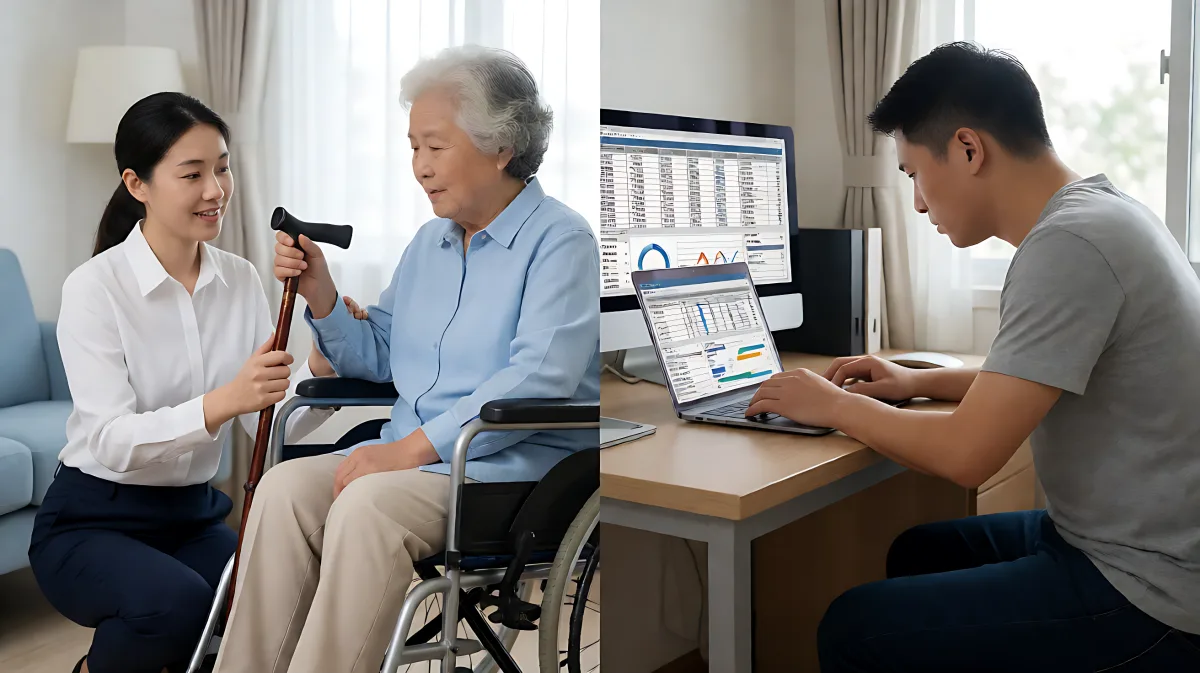
The invoice for home care is only half the story. This guide explains shadow costs—the unpaid labor and lost wages of family caregivers—and how to manage the true financial impact of supporting an aging loved one at home.
When hiring a home aide, families often focus on the hourly rate. However, research indicates that up to 90% of the total economic value of informal care is unpaid. This hidden burden, known as the shadow cost, includes the lost wages of family caregivers and the time lost by relatives providing support. Understanding this total financial impact is essential for realistic long-term care planning.
What Is the Shadow Cost of Home Care?
Shadow cost refers to the economic value of time and labor that is not captured in standard invoices. While you pay a professional agency for scheduled hours, the total cost of care includes the "extended shadow cost." This is the difference between the maximum potential value of all care hours provided (both paid and unpaid) and the amount actually paid to professionals. In many households, family members fill in gaps by driving seniors to appointments, managing medications, or providing companionship without compensation. This unpaid work carries a monetary value based on the caregiver's potential earnings, effectively becoming a hidden tax on the family budget.
How Do Family Members Become Unpaid Caregivers?
Many families start with professional aides for specific medical tasks but rely on relatives for routine daily support. This blend of paid and unpaid care is common. The Spanish Disability and Dependency Survey analyzed this dynamic in Europe, finding that 53.87% of dependent adults received some economic benefit for informal care, yet the average weekly care hours remained high. In high-income countries, the demand for long-term care is projected to rise significantly. Families often find themselves substituting professional care with personal time, leading to burnout and financial loss if the caregiver was previously in the workforce.
What Are the Opportunity Costs for Adult Children?
Opportunity cost is the value of what a caregiver gives up to provide support. If an adult child reduces work hours or declines promotions to supervise a parent’s care, that lost income is a direct shadow cost. A 2026 study on economic conditions of informal caregivers notes that these financial impacts are often overlooked in care planning. The OECD has highlighted that as the population ages, the strain on families providing this unpaid labor will intensify. For US and UK readers, this means the "real" cost of home care is not just the agency fee, but also the potential loss of 30 to 50 hours of professional labor per week, depending on the care level.
How Does Professional Home Care Compare to Informal Labor?
Professional home care provides stability and trained expertise, but it is expensive. In the US, the median hourly rate for homemaker services can vary widely by state, often exceeding $30 to $50 per hour in urban areas. In the UK, rates are similar when factoring in National Insurance contributions. However, informal care has no monetary transaction. The trade-off is reliability. Research suggests that when public support is scarce, families bear the brunt of the cost. Agencies like 2nd Family and Peace In-Home Healthcare emphasize personalized plans, but the financial gap remains. Families must decide if paying for 24/7 professional coverage is viable or if a mixed model is more sustainable.
How Can Families Budget for Hidden Care Costs?
To manage shadow costs, families should calculate the "implied wage" of their own labor. Consider your hourly rate if you were working in your field. Multiply this by the hours you spend on caregiving tasks. Add this figure to your professional care invoices to see the true total cost. Many experts recommend checking for respite care grants or local community resources. In the UK, you might explore local council support for carers' allowances. In the US, state programs like the Statewide Long Term Care Ombudsman can guide you to resources. Recognizing the shadow cost helps prevent financial shock and allows for better estate planning and insurance adjustments.
What Percentage of Care Is Usually Unpaid?
In many European models, including Spain’s post-2006 dependency system, more than 90% of the time value of informal care is not covered by state benefits. This means the shadow cost dominates the total economic picture for most families relying on home-based care.
Does Insurance Cover Shadow Costs?
Most standard health insurance policies in the US and UK do not compensate for the lost wages of family caregivers. They may cover the professional medical hours, but the opportunity cost of your time remains an out-of-pocket expense for the household.
How Can I Reduce the Burden of Unpaid Care?
You can reduce the shadow cost by hiring professional aides for peak-demand hours, allowing family members to maintain employment. Utilizing respite care services for weekends and vacations also helps prevent family burnout, preserving the long-term sustainability of the care plan.
What Role Does Technology Play in Tracking These Costs?
Digital care coordination platforms now allow families to log unpaid hours and calculate their estimated value. This transparency helps families present a complete financial picture when applying for government grants or adjusting their private insurance policies.
Are There Tax Benefits for Informal Caregivers?
Some countries offer tax credits or deductions for caregivers who reduce their work hours. In the US, the Caregiver Tax Credit is not a universal statutory benefit, but some states provide allowances. In the UK, Carer’s Allowance is available if you meet specific care hour requirements, though it is modest compared to the actual opportunity cost.