Home Safety for Seniors With Sensory Changes
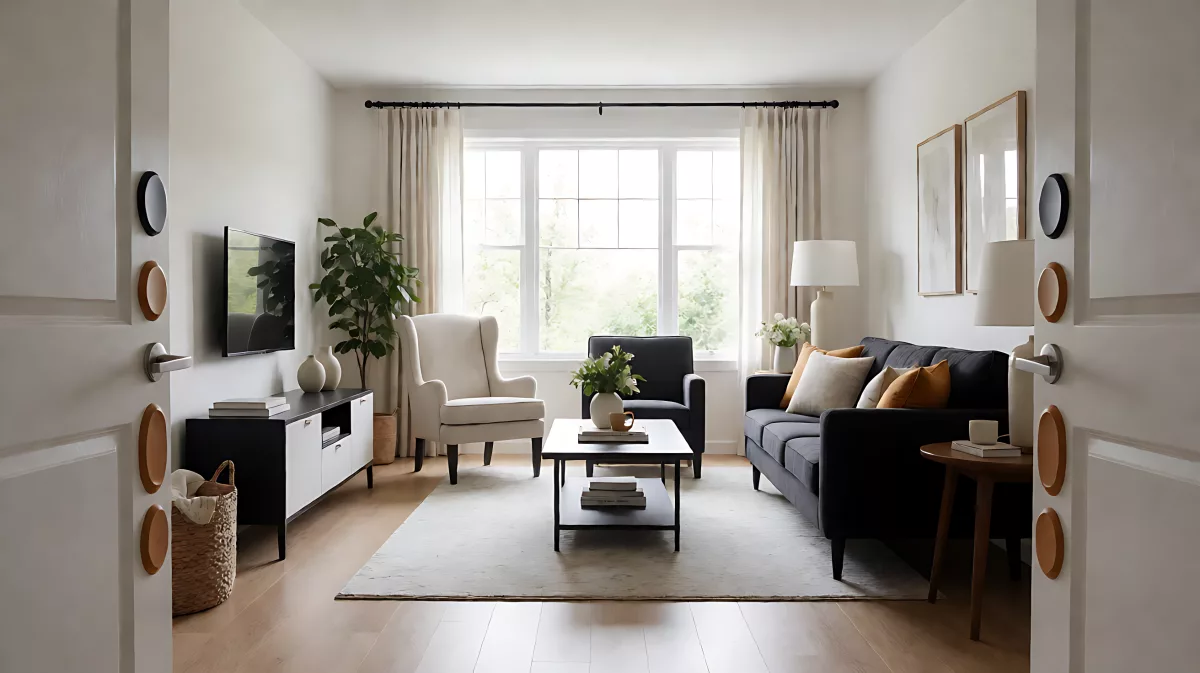
Age-related changes in hearing and sight significantly increase fall risks and isolation for older adults. This guide outlines evidence-based home modifications, from enhanced lighting to cognitive-friendly layouts, that help seniors maintain independence and safety in their own homes.
Modifying your home to accommodate hearing and vision loss is essential for preventing falls and maintaining independence. Simple changes like improving lighting, reducing glare, and installing visual fire alarms can significantly lower injury risks. These adjustments support daily activities and help seniors remain safely in their preferred living environments.
Sensory impairments are increasingly common among older populations. According to data projected by leading health bodies, between 9% and 21% of adults over the age of 70 face dual sensory challenges, meaning they struggle with both hearing and vision. Furthermore, experts predict that up to 14 million older Americans could develop combined hearing and vision loss by the next decade. Understanding how to adapt your home to these shifts is critical for long-term safety and mental well-being.
Why do sensory changes increase fall risks at home?
One in four adults over the age of 65 experiences a fall every year. For seniors with impaired vision or hearing, this risk multiplies. Vision issues make it difficult to judge distances or see obstacles, while hearing loss is directly linked to balance problems. When these senses decline, the brain struggles to process spatial information, leading to unsteady movement. Additionally, missing safety cues like a smoke alarm or a warning call increases the likelihood of accidents during household chores.
Research indicates that vision problems can make seniors two to five times more likely to experience depression. When both hearing and vision are affected, the rate of depression can reach 35% of individuals. This emotional burden often leads to social withdrawal, which in turn reduces the physical activity needed to maintain balance and muscle strength. Home modifications must therefore address not just physical hazards, but also the psychological impact of sensory isolation.
How does hearing loss affect spatial awareness?
Hearing is a key component of balance, regulated by the inner ear. As hair cells in the cochlea degrade due to presbycusis, the ability to interpret high-pitched sounds and locate the source of noise diminishes. This loss can slow down reaction times to environmental changes, such as an approaching person or a sudden noise indicating a spill. For seniors, this delayed response can be the difference between steadying oneself and falling. Ensuring clear auditory signals, or replacing them with reliable visual cues, is a primary step in home safety planning.
What lighting adjustments improve visual safety?
Lighting is the first line of defense against vision-related falls. Seniors need significantly more light than younger adults to navigate spaces safely. Natural light is often insufficient during early morning or late afternoon, so artificial sources must be layered. Under-cabinet lighting in kitchens and hallways creates a shadow-free environment that highlights obstacles. However, harsh overhead lights can create dangerous glare for those with cataracts or macular degeneration. Using dimmable switches and warm-white bulbs helps maintain clarity without straining the eyes.
Contrast is just as important as brightness. Walls that are the same color as furniture create visual ambiguity. Painting door frames, stair edges, and appliance handles in a color that differs from the surrounding surfaces helps the eye distinguish objects. Clean windows and mirrors also play a vital role; dust and grime reduce light penetration and amplify glare. Regular maintenance of these surfaces ensures that natural light maximizes visibility throughout the day.
Are motion sensors effective for night-time navigation?
Yes, motion-activated lights are highly effective for seniors who have difficulty rising from bed at night. These sensors can be installed in hallways, bathrooms, and bedrooms to provide immediate, low-level illumination without the need to fumble for switches. This reduces the risk of tripping in the dark and minimizes disorientation. For those with dual sensory loss, combining motion sensors with tactile floor mats or color-coded pathways can provide multiple cues for safe navigation.
How can rooms be organized for cognitive clarity?
Occupational therapy principles emphasize that the home environment should support, not hinder, daily function. For seniors with sensory or cognitive decline, consistent placement of items is crucial. Using the same location for frequently used objects allows muscle memory to compensate for reduced vision. Clutter is a major hazard, as it creates trip risks and visual confusion. Removing non-essential items from floors and counters creates clear pathways and predictable spaces.
Labeling can also be beneficial, though the method must suit the individual’s specific impairment. Large-print labels or high-contrast tags are useful for those with vision loss, while tactile labels or audio cues may help those with hearing loss. Digital tools, such as video magnifiers or smart speakers, can also integrate into the home to provide assistance. However, these devices require regular maintenance to function effectively, ensuring that screens and lenses remain clean and calibrated.
What role does floor care play in fall prevention?
Floors must provide adequate traction without being slippery. Hardwood or tile floors can become hazardous when wet, so maintaining proper drainage and using non-slip mats in bathrooms is essential. Carpeting can improve grip and absorb impact, but it must be kept clean and free of allergens. Overly smooth, waxed floors should be avoided, as they increase the coefficient of friction in a way that can cause sudden slips. Professional cleaning services can help maintain these surfaces, removing debris and residue that accumulate over time and reduce safety features.
What assistive technologies support dual sensory loss?
Modern assistive devices bridge the gap when natural senses are limited. For seniors with hearing loss, visual fire alarms with strobe lights and bed-shaker timers provide critical safety cues. Video doorbells and smart home monitoring systems allow individuals to see visitors or check on pets without relying on sound. For vision impairment, electronic magnifiers and screen readers on smartphones can assist with reading and navigation. These technologies should be integrated into a coherent home safety plan, ensuring that devices are charged, updated, and easy to operate.
It is also important to consider the mental health aspect of sensory loss. The World Federation of Occupational Therapists highlights that the goal of therapy is to enable participation in everyday life. By modifying the home to reduce confusion and increase confidence, families and caregivers can help seniors maintain a sense of control. This approach, often referred to as aging in place, allows individuals to remain in familiar surroundings while receiving the support they need.
When should you consider professional home assessment?
A professional assessment is recommended when falls have occurred or when the senior expresses anxiety about navigating their home. Occupational therapists and certified aging-in-place specialists can identify subtle hazards that family members may overlook. They can recommend specific products, layout changes, or structural modifications tailored to the individual’s needs. In many regions, these assessments may be covered by insurance or government programs, making them a cost-effective investment in safety and independence.
FAQ
Can home modifications reverse hearing or vision loss?
Home modifications cannot reverse sensory loss, but they can significantly mitigate its impact on daily life. By compensating for reduced senses with environmental cues, such as improved lighting or tactile markers, seniors can perform tasks more safely and independently. The goal is to maintain function and prevent injuries rather than cure the underlying condition.
What is the best color for door frames to aid vision?
There is no single best color, as it depends on the individual’s specific visual impairment. Generally, high-contrast colors that differ from the surrounding wall and floor are most effective. For example, if a wall is beige, a dark brown or black door frame will stand out more clearly than a light gray one. Consulting with an occupational therapist can help determine the optimal contrast for a specific home.
How often should non-slip mats be replaced?
Non-slip mats should be inspected regularly and replaced when the backing begins to detach from the floor or when the surface becomes smooth and worn. As a general guideline, check them monthly and replace them annually, or sooner if visible damage is found. Soap residue and dirt can reduce traction, so cleaning them frequently is also necessary to maintain their effectiveness.
Do smart home devices pose a risk to seniors with sensory loss?
Smart home devices can pose risks if they are too complex or if they fail to provide clear feedback. However, when chosen carefully, they offer significant benefits. Devices that require simple voice commands or have visible indicators are generally safer. It is important to test all technology with the senior to ensure it is intuitive and reliable before relying on it for safety-critical tasks.