The Psychological Cost of Automated Medication Reminders
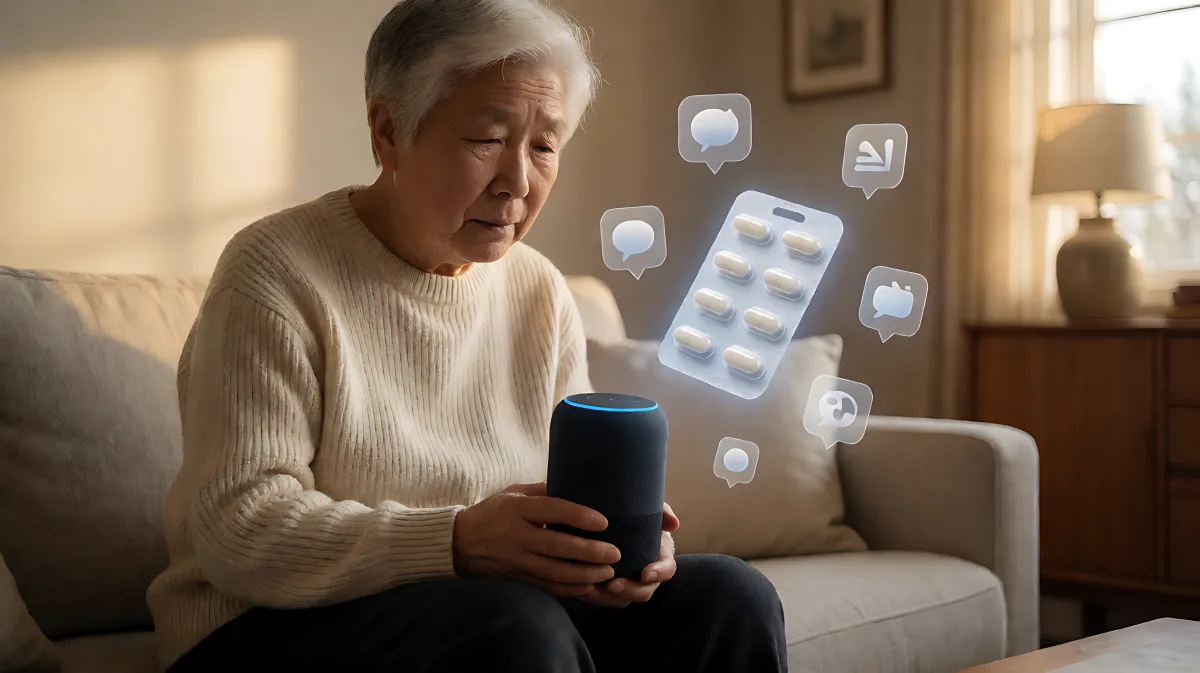
Digital health tools are designed to help, but for some, constant automated alerts can erode a sense of autonomy. This article examines the psychological impact of surveillance-like medication management on mental well-being and offers strategies to maintain independence.
Automated medication reminders are often celebrated as tools for safety, yet they can unintentionally erode a person’s sense of autonomy. By replacing human judgment with constant algorithmic prompts, these systems can trigger anxiety and feelings of being monitored, particularly for individuals who value independence. This shift transforms a simple health task into a psychological burden, where the benefit of adherence must be weighed against the cost of constant digital supervision and the loss of personal agency in one’s own care.
Why do automated reminders feel like surveillance?
For many patients, especially older adults and those managing chronic conditions, medication schedules are already complex. The American Society of Consultant Pharmacists notes that approximately 40% of seniors make mistakes with their medications, highlighting the need for support. However, the method of that support matters. When digital systems intervene, the psychological dynamic changes. Instead of a supportive human caregiver or a simple wall clock, the user interacts with an algorithm that flags deviations. This creates a subtle form of constant monitoring that can make individuals feel they are being watched or judged by a machine, leading to a state of hyper-vigilance that is mentally exhausting over time.
What is the impact on perceived independence?
Independence is not just about physical capability; it is a psychological anchor for dignity. The integration of automated systems into daily life can subtly chip away at this anchor. When a smartphone buzzes to tell an individual when to take a pill, the user is reminded that their body is no longer in charge of the schedule, but rather a device is. For people who already struggle with cognitive changes, this dependency can accelerate a feeling of helplessness. The line between helpful assistance and restrictive control becomes blurred, potentially leading to what psychologists might describe as a loss of self-efficacy. The constant external prompts can reduce the trust a person has in their own memory and judgment, making them feel more reliant on technology and less capable of managing their own life.
How does digital health anxiety manifest?
There is a growing body of concern regarding the psychological toll of health tracking. While some users find comfort in data, others experience what can be termed "digital health anxiety." This condition involves excessive monitoring and worry about health metrics. In the context of medication, this means that missing a single alert or receiving a warning notification can trigger disproportionate stress responses. The fear of making a mistake, amplified by the immediate feedback of a digital device, can turn a routine health task into a source of daily dread. This persistent low-grade anxiety contributes to overall mental fatigue and can exacerbate existing conditions such as depression or generalized anxiety disorder, creating a feedback loop where the tool intended to improve health ends up compromising mental well-being.
Are there better ways to support medication adherence?
Experts suggest that the most effective medication management systems are those that empower rather than control. While the World Health Organization indicates that reminders can improve adherence by up to 50%, the format of these reminders is critical. A supportive, human-centered approach that includes educational interventions and caregiver support tends to be less psychologically taxing than a purely automated, unsolicited alert system. Tailoring the reminder method to the individual’s comfort level is essential. For some, a gentle, customizable app that allows for silence or delay is preferable to a strict, automated call. The goal should be to enhance the user’s agency, ensuring they feel in control of their health journey, rather than being passive recipients of algorithmic instructions.
What should patients look for in a reminder system?
Patients should seek systems that offer transparency and flexibility. This includes the ability to modify reminders easily, receive educational context on why a medication is important, and have the option to suppress alerts when they are already aware of their schedule. A good system acknowledges the human element, recognizing that a missed dose is not always a failure of willpower but can be a result of fatigue, illness, or life circumstances. It should function as a partnership, not a command.
How can caregivers balance safety with dignity?
Caregivers must regularly check in with the patient about their feelings regarding the reminder system. Open dialogue helps identify if the technology is causing stress or resentment. If an automated system is causing distress, it may be worth exploring alternative methods, such as a physical pill organizer combined with a shared calendar, or a brief daily check-in conversation instead of a digital alert. The psychological benefit of feeling respected and autonomous often outweighs the marginal increase in risk from a human-managed schedule.
When is a break from technology recommended?
If an individual experiences persistent anxiety, irritability, or a sense of being trapped when using automated health tools, it is advisable to take a break from the digital system. Consulting with a healthcare provider about alternative adherence strategies that are less intrusive can be a vital step. Mental well-being is a key component of overall health, and ensuring that health management tools do not compromise this aspect is a priority.