Daily Checklist Template for Aging Parents
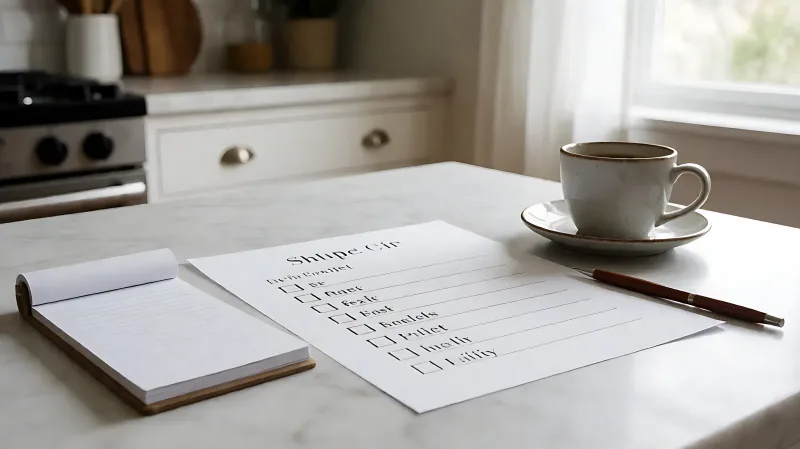
Caring for an aging parent can feel overwhelming. This guide explains how to design a realistic, one-page daily checklist that covers health, safety, and connection without burning out the caregiver.
Creating a one-page daily routine checklist for an aging parent requires balancing essential medical tasks with emotional connection and personal preference. The goal is a simple, visual tool that reduces decision fatigue for the caregiver and provides structure for the senior. Focus on three core pillars: health safety, basic needs, and human interaction. Keep the list short enough to fit on a single sheet of paper or a large digital screen, ensuring it is easy to scan at a glance during the morning or evening.
Why a Structured Routine Reduces Caregiver Burnout
Managing the care of an elderly parent often feels like a fire drill. Without a clear system, small tasks like checking medication, scanning the floor for spills, or confirming a phone call can pile up until they feel unmanageable. Organizations such as the Alzheimer’s Association emphasize that structured days reduce agitation and improve mood for people with cognitive decline. For caregivers, a written plan prevents the mental load of trying to remember every detail. It transforms chaotic mental notes into a repeatable sequence of actions.
The key to effectiveness is restraint. If the checklist becomes a thirty-item to-do list, it will likely be ignored. The list must distinguish between what is urgent and what can wait. By separating daily necessities from weekly or monthly administrative tasks, you create a manageable routine that protects both parties’ well-being.
What Specific Tasks Should Appear on the Daily List?
Not every task belongs in the daily column. To determine what stays and what goes, consider the concept of Activities of Daily Living (ADLs). These are basic self-care tasks such as bathing, dressing, eating, and toileting. Instrumental Activities of Daily Living (IADLs) include medication management, shopping, and transportation. A functional daily checklist typically covers the most time-sensitive ADLs and IADLs.
- Health and Safety: Check for physical changes such as pain, confusion, or new injuries. Verify that the environment is safe by ensuring lights are on and walkways are clear of clutter.
- Medication: Confirm that morning and evening doses have been taken. Use a pill organizer or a visual cue system to prevent missed doses or double-dosing.
- Hydration and Nutrition: Ensure water is accessible and that at least one balanced meal has been consumed or planned. Dehydration is a common, often overlooked issue in older adults.
- Connection: Schedule a specific time for emotional check-ins. This is not just a status update; it is a moment to listen to their concerns or share a memory.
If the parent has specific conditions like diabetes or heart disease, add monitoring tasks such as checking blood sugar levels or blood pressure readings as directed by their healthcare team.
How to Design the Layout for Maximum Clarity
Visual clarity is crucial. A dense wall of text is difficult for older eyes to parse, especially if the parent is reading the list themselves. Use large, sans-serif fonts with high contrast against the paper background. Group tasks into distinct boxes or sections rather than a single long list. This visual chunking helps the brain process information in manageable pieces.
Place the checklist where it will actually be used. For a parent living independently, this might be the refrigerator door, the bathroom mirror, or the top of the kitchen counter. For a caregiver visiting remotely or on-site, it should be accessible in their pocket or saved in a pinned app on their phone. The physical location matters just as much as the content.
How Do You Incorporate Personal Preferences?
A generic checklist is often ineffective because it ignores the individual. The Alzheimer’s Association advises caregivers to consider the person’s historical routines, likes, dislikes, and best times of day for activity. If a parent prefers to listen to music in the morning rather than engage in conversation, the checklist should reflect that reality.
Include a section for "Joy and Interest." This might be a puzzle, a call to a specific friend, gardening, or watching a favorite program. These are not luxuries; they are essential for mental stimulation and emotional health. Allow for spontaneity. If the parent is in a good mood, deviate from the plan. If they are restless, introduce a different activity. The checklist is a guide, not a rigid contract.
What Should a Sample One-Page Checklist Look Like?
A practical template often follows a time-based flow, moving from morning to night. Below is a structure that balances medical necessity with human connection:
| Time Block | Essential Tasks | Optional / Preference-Based |
|---|---|---|
| Morning | Take medications, breakfast, check hydration, bathroom safety scan. | Morning stretch, listen to the radio, read the news, make a phone call to family. |
| Midday | Lunch, rest period, medication (if applicable). | Short walk, crossword puzzle, listen to music, visit with a neighbor. |
| Evening | Dinner, hygiene routine, evening medication, prepare for bed. | Watch a movie, reminisce over photos, relax with a book. |
This format allows the caregiver to track what has been done while leaving space for the parent’s autonomy. Checkboxes are useful here; the satisfying act of marking a completed task provides a sense of accomplishment.
How to Keep the Checklist Sustainable Long-Term
Routines must evolve. A checklist that worked well six months ago may not fit today’s needs. Review the list every three to six months, or sooner if the parent’s health status changes significantly. Look for patterns: Are they consistently missing lunch? Are they more agitated in the afternoon? Adjust the list to address these gaps.
Involve the parent in the review process if their cognitive abilities allow. Ask them what feels helpful and what feels restrictive. This collaboration reinforces their dignity and ownership over their daily life. For families coordinating care, share the checklist with siblings or professional caregivers to ensure everyone is following the same standard of care.
When Should You Seek Professional Support?
If the checklist reveals significant decline in safety, nutrition, or mental health, it is time to consult a professional. The Family Caregiver Alliance and other organizations provide resources for assessing when a care plan is no longer sufficient. Do not let the checklist become a mask for ignoring serious red flags.
Frequently Asked Questions
How long should the daily checklist be?
The checklist should be concise enough to fit on a single page of standard letter paper or a single screen on a tablet. It should contain no more than five to seven core categories to ensure it is easy to scan and follow without feeling overwhelming.
What if my parent resists the routine?
Resistance is often a sign of anxiety or a preference for autonomy. Introduce the checklist gradually, focusing on tasks they value most, such as their favorite activities. Avoid using it as a means of control; instead, frame it as a tool to help them stay independent and safe. Consistency and patience are key to building trust.
Should I use a paper checklist or a digital app?
Paper checklists are often more reliable for the senior themselves, as they require no technology literacy and are visible in the home environment. Digital apps are better for caregivers who need to log data, share updates with family, or use reminders. A hybrid approach, where the paper list is the primary guide and the app is the backup log, works well for many families.
How often do I need to update the list?
Review the list quarterly, or immediately after any major change in health, medication, or living situation. Regular reviews ensure that the tasks remain relevant and that the list continues to support the parent’s current abilities and preferences.