Respite Care for Disabled Veterans Without Spouse
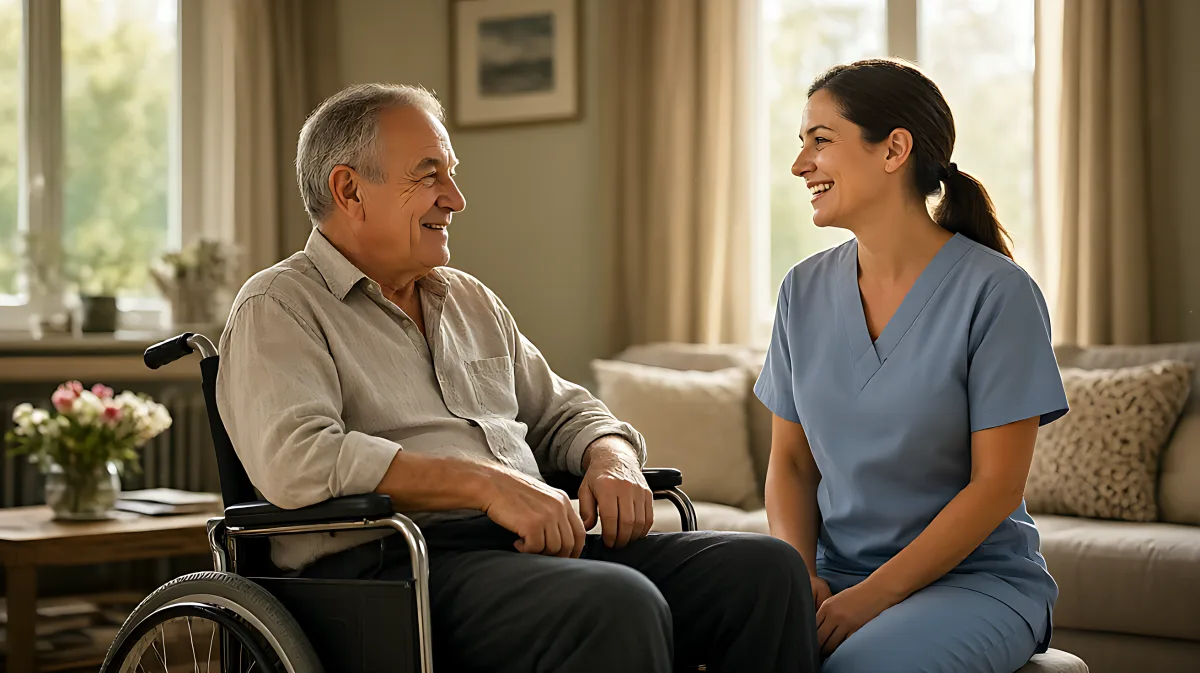
Disabled veterans without a spouse often face significant barriers to accessing respite care. This guide outlines VA programs, financial assistance, and alternative support networks that can help secure necessary relief for individual caregivers.
Disabled veterans without a spouse can access respite care through the U.S. Department of Veterans Affairs and nonprofit partnerships, though they must navigate specific eligibility rules that differ from traditional spousal models. The VA provides a minimum of 30 days of respite care annually for qualified primary family caregivers, but for veterans without a spouse, this often requires identifying a registered volunteer or using the Program of General Caregiver Support Services to secure in-home relief.
How can a veteran without a spouse qualify for respite care?
Eligibility for respite care is not automatically lost because a veteran lacks a spouse; however, the definition of a caregiver expands. Under the VA framework, a General Caregiver can be a relative, friend, or even a neighbor who provides care. To receive benefits, the veteran must be enrolled in VA health care and have a serious service-connected injury or illness. If the veteran cannot perform at least one daily activity and has needed care for six months, they may qualify for the Program of General Caregiver Support Services (PGCSS). This program offers training, mentoring, and, critically for this demographic, respite opportunities. According to VA Health, the standard benefit includes at least 30 days of respite care per year, which can be utilized in a veteran's home, a VA facility, or an approved community setting.
What are the funding sources for non-spousal respite care?
Many families assume that respite care is a full financial burden for the individual, but in fact, multiple funding streams exist. The VA does not always pay for third-party providers directly unless they are part of the VA's Community Care program. For disabled veterans without a spouse, funding often comes from a combination of sources:
- VA Caregiver Program Stipend: While primarily for family caregivers, the stipend structure supports those who serve in a primary caregiving role. The exact amount is tax-free and varies based on the veteran's needs.
- State Respite Coalitions: The Administration for Community Living (ACL) maintains state-specific funding. As of 2026, many states offer vouchers or direct funding for respite, particularly for those with disabilities.
- Nonprofit Grants: Organizations like the Elizabeth Dole Foundation and the Wounded Warrior Project provide direct assistance. The Wounded Warrior Project Resource Center helps veterans of all eras connect with specific grants for short-term relief.
The Code of Support Foundation also plays a key role here. They operate the PATRIOTlink, which helps veterans navigate these specific financial barriers. For veterans without a spouse, the foundation's case management team often identifies local agencies that provide in-home respite without charging a copay to the veteran.
Which organizations help find respite for single veterans?
Finding the right partner is as important as finding the funding. The following organizations are named in VA resources for providing direct support to veterans who may be in the single caregiver demographic:
- Wounded Warrior Project: Their Resource Center specifically assists registered veterans and family members. They can direct a single veteran to local respite providers.
- Elizabeth Dole Foundation: They maintain a network of veteran-operated in-home care agencies. These agencies are familiar with VA requirements and can provide the 30-day respite blocks mentioned in the PCAFC program.
- ARCH National Respite Network: Maintained by the Administration for Community Living, this network uses a National Respite Locator Service to find home care agencies or community-based providers in a specific zip code.
For a disabled veteran without a spouse, the strategy is to register with the Wounded Warrior Project first to unlock their specific resource directory, then use the ARCH locator to find a local partner. The VA Caregiver Support Line is available Monday through Friday, 8:00 a.m. to 10:00 p.m. ET, and on Saturdays, 8:00 a.m. to 5:00 p.m. ET, to help coordinate this handoff.
What steps should a single veteran take to get respite care?
Navigating the system can be overwhelming. A structured approach reduces friction. The VA emphasizes that a social worker or the Caregiver Support Program team should be involved in creating the care plan. For a veteran without a spouse, the goal is to formalize the relationship with a General Caregiver to make them eligible for benefits.
- Enroll in VA Health Care: The veteran must be active in the VA system before applying for respite.
- Complete a Needs Assessment: The VA will evaluate the veteran's physical and mental health to determine the required level of care. This assessment often dictates if 30 days of respite is sufficient or if additional community care is needed.
- Identify a General Caregiver: Since the veteran is single, they must designate a friend, family member, or volunteer as their General Caregiver. This person does not need to live with the veteran, but they must be willing to participate in PGCSS training.
- Apply Jointly for Benefits: While a spouse is not required, the application for caregiver support involves the General Caregiver. The forms must be submitted together to prove the support network.
- Book Respite in Advance: Respite care is a planned break, not an emergency service. Book the 30-day allocation well ahead of major events or holidays.
Many veterans assume that respite care is only for those with a spouse, but in fact, the VA's focus is on preventing caregiver burnout and ensuring the safety of the veteran, regardless of household composition.
Frequently Asked Questions
Does the VA pay for respite care if the veteran has no spouse?
Yes. The VA provides up to 30 days of respite care per year for eligible veterans with serious service-connected disabilities. The funding is attached to the veteran's status and the caregiver's role, not the caregiver's marital status. If a General Caregiver is used, the benefits still apply, often covering the cost of professional in-home relief.
What is the difference between a Family Caregiver and a General Caregiver?
A Family Caregiver is a relative, including a spouse or parent. A General Caregiver can be a friend, neighbor, or neighbor who lives in the same community. The General Caregiver category is specifically designed to allow a veteran without a spouse to access the same respite and training benefits by designating a trusted non-family member to assist in their care.
Can a disabled veteran use respite care for mental health support?
Yes. Respite care allows a veteran to access mental health counseling and reduce stress. The Wounded Warrior Project's Resource Center specifically lists mental health respite options that include time away from the home environment to engage with peer support groups and professional therapists.
What documentation is needed to apply for respite care?
Applicants need the veteran's Social Security number, recent tax returns, and proof of VA health care enrollment. If a General Caregiver is involved, their name and contact information are required on the joint application to establish the caregiving relationship for benefits purposes.