What Is Negative Space Habit Stacking and How to Use It
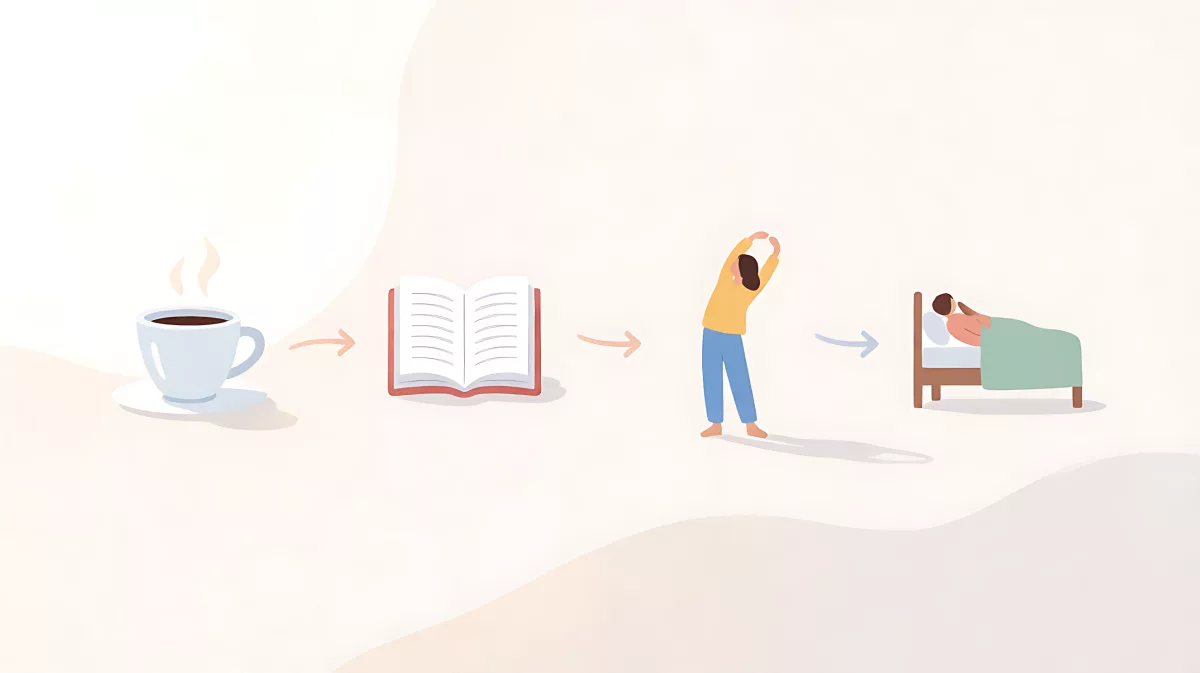
Discover how negative space habit stacking helps you build effortless routines by anchoring new behaviors to existing habits, cutting decision fatigue, and boosting consistency in 2026.
Negative space habit stacking is a technique in which you deliberately leave intentional pauses or 'empty slots' between established habits so new behaviors can be anchored to them without crowding your routine. Rather than adding a task right after an existing habit, you insert a micro-pause—breathing, a stretch, or a ten-second wait—that creates a clean mental buffer for the new behavior to take hold.
Why negative space makes habit stacking easier
Traditional habit stacking pairs a new action with an existing cue—after I pour my coffee, I meditate for one minute. The problem is that our brains are wired to keep moving. When the previous habit ends, the next one usually begins immediately, leaving little room for intention, attention, or even a simple breath. Over time, that tight packing causes decision fatigue and can lead to skipping the whole chain.
By introducing a deliberate gap—a negative space of 15 to 60 seconds—you give the brain's prefrontal cortex time to register the new cue, choose the next action, and set intention. This gap also lowers the activation energy required to start the habit, because the pause acts as a natural reset signal. Researchers at Oxford University have shown that the average adult brain has 41 percent fewer neurons than a newborn's, a result of synaptic pruning: unused connections fade, while repeatedly used ones strengthen and become faster. Habit stacking leverages these strengthened pathways, and negative space simply makes the new pathway less likely to get skipped in the shuffle.
How to insert negative space into your existing routines
Start with a habit you perform daily and reliably: making your bed, brushing your teeth, locking the front door, or placing your laptop on the desk at the end of the workday. Here is the step-by-step method:
- Identify the anchor. Choose the existing habit that happens at the same time and place every day. Consistency matters more than complexity.
- Add a 15–60 second buffer. After the anchor habit, do nothing for a moment. Count to ten slowly, take two deep breaths, or simply place your hands on the desk and look out the window. This is your negative space.
- Introduce the new micro-habit. The moment the buffer ends, perform a very small, easy action: write down one priority, stand and stretch for ten seconds, place a glass of water on your desk, or text a friend your plan for the next hour.
- Use the 'After [anchor], I will [buffer], then [new habit]' formula. For example: After I make my bed, I will stand still for ten seconds, then open my laptop to my most important document. The buffer keeps the chain intact but less rushed.
- Keep the new action below the 2% rule. In Atomic Habits, James Clear argues that improvements should be so small they feel almost negligible. A ten-second stretch, one written sentence, or one glass of water are far easier to sustain than a 20-minute workout.
When should you use negative space instead of back-to-back stacking?
Use negative space when the existing routine is high-speed and automatic—your morning coffee and commute, the transition from work to home, or post-dinner cleanup. In those contexts, an immediate new habit is likely to be forgotten or skipped because the brain is already in 'autopilot' mode. The gap acts as a gentle interrupt, pulling you back to conscious choice. If your routines are already slow and deliberate—like a weekend meditation practice or a structured reading session—you may not need a long buffer; a simple mental cue is enough.
What kind of buffer should you choose?
The buffer should match the pace and location of the anchor habit. Standing still and breathing works well at a kitchen counter or a desk. A short glance at the clock or a two-step walk to a different room works at a bus stop or office hallway. The key is that the buffer is shorter than the new habit but long enough to create a clear mental boundary between two actions.
Building a full negative-space habit stack
Once one link in the chain works, you can extend it. Each new micro-habit becomes the anchor for the next one, and you can insert another buffer before each new action. For a morning routine, a full stack might look like this:
- Wake up and make your bed.
- Stand at the foot of the bed for ten seconds, feel the floor under your feet.
- Pour a cup of coffee or tea.
- Hold the cup for five seconds, notice its temperature, then take one sip.
- Open your laptop or notebook and write down the single most important task for the day.
- Take three slow breaths.
- Begin that one task.
Each buffer is just a few seconds, but together they create a slow-motion corridor through the morning where your attention stays present. You are not racing to complete the whole routine; you are moving one deliberate step at a time.
How long does it take for a negative-space stack to stick?
According to Dr. Lauren Alexander of Cleveland Clinic, it typically takes 18 to 200 days to build a habit, and the length depends on how difficult the new action is and whether you genuinely enjoy it. A micro-habit with a negative space buffer usually falls on the shorter end of that range—closer to three to four weeks for daily, low-effort actions like writing one sentence or standing for ten seconds—because the buffer lowers the chance of forgetting and the action itself is trivially small.
Where negative space habit stacking fits in your life
This technique is especially useful in three areas:
- Work and productivity. Anchor your most important task to the end of a small morning ritual, with a ten-second buffer in between, so you start working with intention instead of momentum.
- Health and body care. Place a two-second breath before taking medication, a short stretch between brushing and flossing, or a moment of stillness after making your bed. These small pauses turn routine health actions into mindful practices.
- Relationships and social connection. Before answering the phone, before leaving a public space, or before starting a conversation, add a two-second inhale. The buffer gives you a chance to choose a kinder or calmer response instead of reacting on autopilot.
Frequently Asked Questions
How is negative space habit stacking different from regular habit stacking?
Regular habit stacking places one behavior directly after another—after I pour coffee, I meditate. Negative space stacking inserts a brief, intentional pause between the two. That pause, usually 15 to 60 seconds, acts as a mental boundary that keeps the new habit from being skipped because the brain is still in autopilot from the first action.
What if the buffer feels awkward or takes too long?
Start with the shortest buffer that works for you—five seconds is enough for many people. The goal is not to add a lot of idle time; it is to create a perceptible gap between two actions. If a 15-second pause feels odd, reduce it to five seconds and focus on one slow breath. The buffer does not need to be long; it just needs to be distinct from the surrounding routine.
Can I use negative space to break a bad habit?
Yes. Instead of adding a new behavior, you can use the buffer to interrupt the cue of a bad habit. For example, after I open the fridge, I will stand still for ten seconds, then close it and drink a glass of water. The pause gives you a chance to choose a different action before the automatic snack-eating response kicks in.
How many negative-space habits can I stack at once?
Start with one new habit per existing anchor and add buffers only where the routine feels rushed. Once that single stack has been maintained for about three weeks, you can introduce another micro-habit and buffer into the chain. Stacking too many new pauses at once can overwhelm the routine and increase the chance that you will abandon it. One at a time is more sustainable and more likely to become automatic.