Medical Device Waste Guide: Costs & Disposal
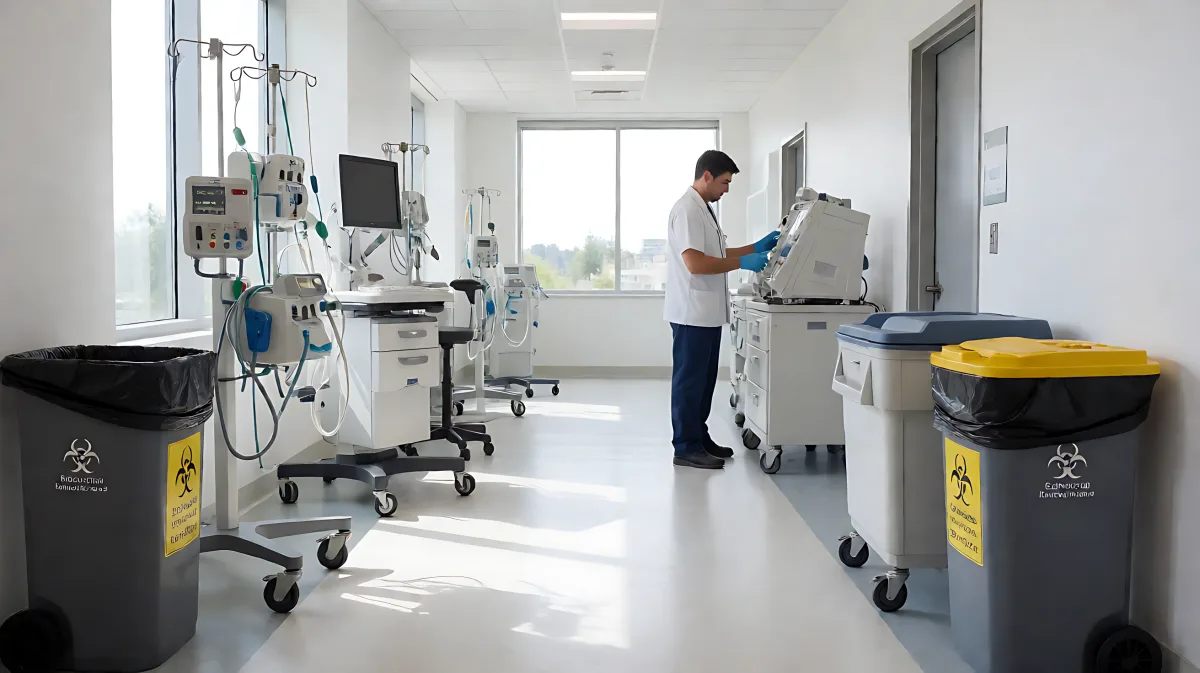
Healthcare facilities face growing pressure to manage medical device waste sustainably. This guide breaks down the costs, regulatory requirements, and environmental impact of device disposal, offering practical steps for secure and efficient waste management.
Effective medical device waste management is a critical operational challenge for healthcare providers, balancing patient safety, data security, and environmental responsibility. In the United States, the healthcare sector generates approximately five million tons of waste annually, with single-use devices accounting for a significant portion of this volume. Proper disposal not only reduces the environmental footprint but also minimizes the risk of data breaches and ensures compliance with federal regulations such as HIPAA. Facilities must adopt a multi-faceted approach that includes secure e-waste handling, appropriate classification of hazardous materials, and consideration of reprocessing options to mitigate costs and waste streams.
Why Does Medical Device Waste Pose a Unique Challenge?
Unlike general household or industrial waste, medical device waste presents a dual challenge: it contains both biological hazards and sensitive digital data. The U.S. healthcare system produces roughly 29 pounds of waste per hospital bed daily, a statistic that underscores the sheer volume of material flowing through disposal channels. The complexity is further heightened by the fact that much of this waste is not just physical matter but also electronic components that store patient records. Failure to properly sanitize these devices can lead to serious privacy violations, while improper handling of biological or chemical components can pose health risks to sanitation workers and the general public. Regulatory bodies like the California Department of Public Health and the U.S. Food and Drug Administration (FDA) have established specific frameworks to manage these streams, but implementation remains inconsistent across different jurisdictions.
How Does Data Security Influence Device Disposal?
For electronic medical equipment, the primary concern is often data security rather than the physical material itself. Under the Health Insurance Portability and Accountability Act (HIPAA), healthcare organizations are required to protect electronic protected health information (ePHI). This means that when a computer, tablet, or specialized diagnostic machine is retired, it cannot simply be recycled like a standard office laptop. Data stored on hard drives, photocopiers, and other devices must be completely erased or the storage medium physically destroyed. Organizations like California Recycles have developed specialized protocols for this, logging each step of the inventory and assessment process to ensure a chain of custody. They perform multi-pass wipes on reusable drives and physical destruction for non-reusable media, providing certificates of destruction that protect healthcare providers from liability. Ignoring this step can result in significant legal consequences and a breach of public trust.
What Are the Environmental Impacts of Single-Use Devices?
The environmental cost of healthcare waste is heavily driven by single-use devices (SUDs). Research indicates that approximately 80 percent of the healthcare industry's carbon footprint stems from the production, transportation, and disposal of these items. Notably, 95 percent of the environmental impact of single-use medical products occurs during the manufacturing phase, not the disposal phase. This has prompted industry groups and regulatory bodies to push for more sustainable practices. The Association of Medical Device Reprocessors estimates that by optimizing the use of reprocessed devices, U.S. hospitals could save billions of dollars annually. For instance, reprocessed devices can cost between 25 and 40 percent less than their single-use counterparts. Despite these economic and environmental incentives, many facilities still rely on disposables, largely due to regulatory hurdles that make it difficult for hospitals to assume the liability of manufacturing these items.
What Are the Costs Associated with Medical Waste Management?
While the upfront cost of purchasing single-use devices is often high, the long-term operational expenses of waste management can be even more significant. In California, for example, small quantity generators of medical waste—defined as facilities generating less than 200 pounds of medical waste per month—must pay an annual registration fee of $25 to the Medical Waste Management Program. This fee is just a fraction of the total cost, which includes transportation, treatment, and disposal services. Pharmaceutical waste presents another cost layer, requiring strict adherence to the Resource Conservation and Recovery Act (RCRA). Facilities must separate RCRA hazardous waste, such as bulk chemotherapy drugs and P-listed or U-listed substances, from general pharmaceutical waste. Improper sorting not only leads to higher disposal fees but also risks environmental contamination. The complexity of these fees and regulations can be a barrier for smaller clinics, which is why many states offer streamlined registration processes or act as local enforcement agencies to help ensure compliance.
How Can Facilities Reduce Waste Without Compromising Safety?
Reducing waste requires a shift in procurement and reprocessing strategies. The FDA has suggested that it should lead in identifying reusable devices that can be safely reprocessed, but currently, the burden often falls on hospitals to validate these devices themselves. This creates a reluctance to reuse items that have not undergone original equipment manufacturer (OEM) cleaning validations. To mitigate this, healthcare systems can prioritize procurement of reusable devices wherever possible and partner with certified reprocessors for those that are not. Furthermore, facilities can implement pollution prevention programs that focus on source reduction, such as selecting less resource-intensive materials and reducing overstocking of disposables. The Veterans Health Administration, for instance, has faced scrutiny for its prohibition on reprocessed single-use devices, a policy that critics argue increases costs and waste. Reversing such prohibitions and adopting a more flexible approach to reprocessing can yield significant savings and reduce environmental impact.
Who Is Responsible for Disposal Compliance?
Responsibility for medical device waste is shared among manufacturers, healthcare providers, and waste management contractors. Manufacturers are responsible for the initial design and labeling of devices, including whether they are intended for single or multiple use. Healthcare providers are responsible for the generation, handling, storage, and treatment of the waste within their facilities. They must ensure that all staff are trained on proper segregation and disposal protocols. Waste management contractors, such as registered medical waste haulers, are responsible for the safe transportation and offsite treatment of the waste. In some jurisdictions, the state acts as the local enforcement agency for large quantity generators, ensuring that inspection programs are implemented effectively. This shared responsibility model ensures that no single entity bears the entire burden, but it requires clear communication and adherence to standards such as those set by the Joint Commission and CMS.
What Are the Common Mistakes in Device Disposal?
One of the most common errors is the improper disposal of controlled substances and hazardous pharmaceuticals. Facilities should never dispose of waste medication down the drain or into solid waste streams. Instead, controlled substances must be crushed or wasted into pharmaceutical containers, and expired medications should be returned through reverse distributors. Another frequent mistake is mixing hazardous waste with general e-waste. Items containing hazardous materials, such as certain medical devices with specific chemical components, cannot be processed in standard recycling streams. This contamination makes the entire batch of e-waste difficult or impossible to recycle, leading to higher costs and increased landfill dependency. To avoid this, facilities should have a clear segregation policy that prevents the mixing of sharps, medications, and hazardous supplies with mundane electronic waste.
How Do Regulations Vary Across Different Jurisdictions?
While federal regulations like HIPAA and the FDA's oversight provide a baseline, state and local laws add layers of complexity. In California, the Medical Waste Management Act (MWMA) regulates the generation, handling, and disposal of medical waste, with specific requirements for acupuncturists and other small quantity generators. For example, used acupuncture needles are considered medical waste and must be picked up by a registered hauler or treated onsite by an approved technology; they cannot be disposed of in solid waste or household hazardous waste facilities. Similar variations exist across other states, where local enforcement agencies may have additional inspection requirements. Facilities operating in multiple locations must ensure they are compliant with the strictest applicable standards to avoid penalties and maintain their operational licenses. This patchwork of regulations necessitates a robust compliance program that stays updated on changes in both federal and state law.
Frequently Asked Questions
Can all medical devices be recycled?
No, not all medical devices can be recycled. Devices containing hazardous waste, sharps, or certain pharmaceuticals must be treated as biohazardous or chemical waste and cannot go through standard e-waste recycling. Facilities must separate these items to ensure safe disposal.
What is the annual fee for small quantity medical waste generators in California?
In California, small quantity generators, which produce less than 200 pounds of medical waste per month, are subject to an annual generator fee of $25 as part of the Medical Waste Management Program.
How much can hospitals save by reprocessing single-use devices?
Hospitals can save between 25 and 40 percent on costs by reprocessing single-use devices instead of purchasing new disposables. This also reduces the environmental impact associated with manufacturing and transporting new items.
Is it safe to reuse medical devices that are labeled as single-use?
Safety depends on the specific device and validation process. While some single-use devices can be safely reprocessed, they must undergo rigorous cleaning and sterilization validation to ensure they meet safety standards. Not all devices are suitable for reuse, so facilities should consult with manufacturers and regulatory guidelines before attempting reprocessing.