ER vs. Urgent Care Costs for Uninsured Seniors
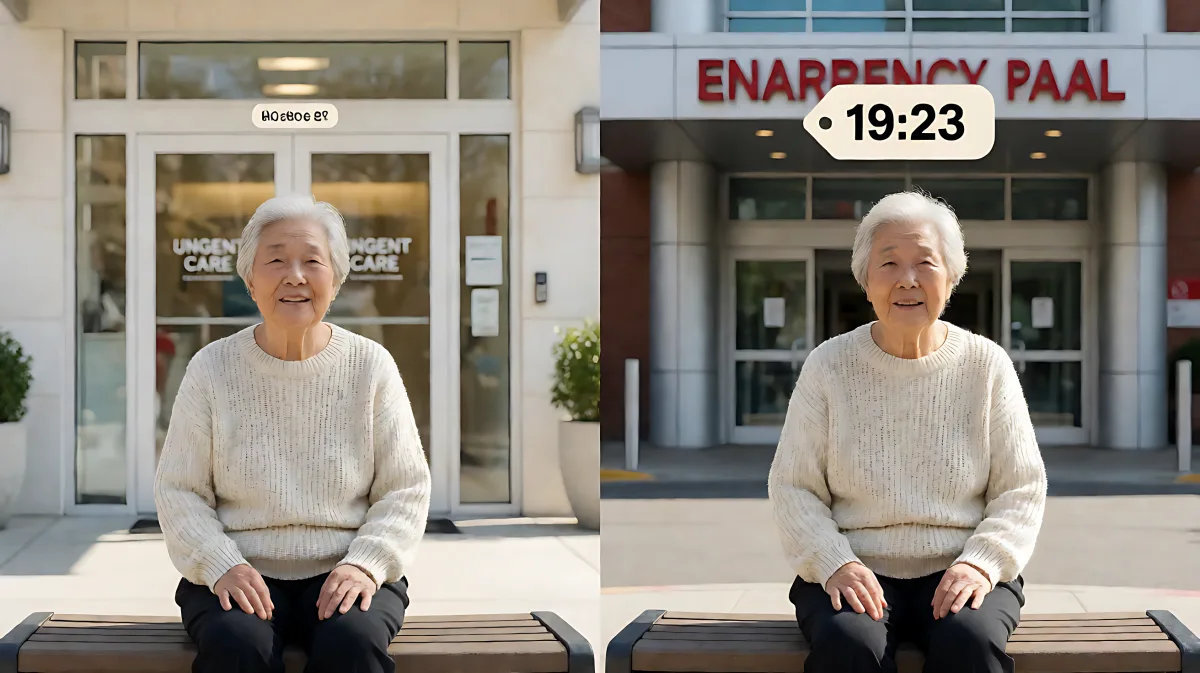
For uninsured seniors, choosing urgent care over the ER for non-life-threatening complaints can save $1,500 to $2,500 per visit. This guide breaks down 2026 pricing data and billing strategies.
For uninsured seniors in the United States, opting for urgent care instead of the emergency room for non-life-threatening conditions can save between $1,500 and $2,500 per visit. According to recent healthcare cost analyses, the average uninsured emergency room visit ranges from $2,400 to $2,960, whereas urgent care centers typically charge between $145 and $290 for similar non-emergent care such as sprains, infections, or minor cuts.
How Much Do Uninsured Seniors Actually Pay at the ER?
The cost of an emergency room visit is not just a single flat fee; it is a complex stack of charges. The national average for an uninsured ER visit sits near $2,400, but this figure fluctuates based on the patient's acuity level. Emergency departments use the Emergency Severity Index (ESI) to classify patients. For seniors, even low-acuity visits (Level 4 or 5) can cost $600 to $1,200 before insurance is applied, which is significantly higher than urgent care rates. More complex visits, such as those involving moderate resources (Level 3), often land between $1,500 and $2,500. When life-threatening conditions are involved, bills frequently exceed $3,000.
It is crucial to understand that the "average" bill hides specific line items. Facility fees alone can range from $200 to $4,000 and often constitute 80% of the total bill. These fees cover the hospital's 24/7 staffing and equipment maintenance, regardless of whether a senior patient actually used the advanced equipment. Additionally, treating physicians bill separately from the hospital, leading to multiple invoices for a single visit.
What are the hidden fees in an ER bill?
Many families assume the headline number on an ER bill is the total cost, but in fact, they are often missing separate charges for imaging and labs. An X-ray at an ER averages $276 as a separate line item, while basic blood panels and urine tests run $45 to $125 each. If a patient arrived by ambulance, the transport company bills an additional $500 to $1,300. For an uninsured senior, these layered charges push the total cost well past the average figures, making budgeting for medical care difficult without prior knowledge.
When Is Urgent Care the Cheaper and Smarter Choice?
Urgent care centers are designed for efficiency and cost-control. They do not carry the massive overhead of a 24/7 hospital system, nor do they typically charge facility fees in the same exorbitant manner. The self-pay average at an urgent care center is around $180, with most visits falling between $125 and $300. This price tag usually includes the diagnosis and basic treatment without the need for payment plans or negotiating with hospital billing departments.
For common senior ailments like strep throat, urinary tract infections, and sprained ankles, urgent care offers substantial savings. For instance, a sprained ankle with an X-ray costs between $100 and $250 at urgent care, compared to $1,500 to $3,000 at an ER. Similarly, a strep throat evaluation with a rapid test costs roughly $94 to $111 at urgent care, whereas the ER bills $700 to $1,500 for the same service. The savings can reach up to $3,250 for a laceration requiring stitches.
Which conditions should seniors keep at urgent care?
Seniors should direct non-life-threatening complaints to urgent care to maximize savings. These include:
- Ear infections and sinus issues.
- Minor cuts and lacerations requiring stitches.
- Sprains, strains, and minor fractures of fingers or toes.
- Urinary tract infections.
- Skin rashes and mild allergic reactions.
- Fever evaluations without confusion or severe symptoms.
Federal researchers estimate that between 13% and 37% of all emergency department visits could be safely handled in a lower-cost setting like urgent care. Utilizing these clinics for appropriate conditions reduces personal financial burden significantly.
What Are the Critical Symptoms That Require the ER?
While cost is a major factor, safety is paramount. Seniors must recognize that urgent care centers have a "diagnostic ceiling"; they cannot admit patients to the hospital, run advanced cardiac imaging, or manage true emergencies. If a senior experiences the following, the ER is the only appropriate choice, and cost should not be a factor in the decision:
- Chest pain or pressure, especially with shortness of breath.
- Signs of stroke, such as face drooping, arm weakness, or speech trouble.
- Severe bleeding that does not stop with direct pressure.
- Head injuries involving loss of consciousness.
- Difficulty breathing or severe asthma attacks.
In these scenarios, the resource that cannot be bought back is time. Delaying proper care for these symptoms to save money can lead to catastrophic health outcomes.
How Can Uninsured Seniors Navigate Billing Traps?
One of the most common billing traps for uninsured seniors is the "freestanding emergency room." These facilities are not attached to hospitals and are designed to look like urgent care centers, but they bill as emergency rooms. There are more than 700 of these facilities in the United States. A senior walking into a freestanding ER for a sore throat may receive a bill of $1,800 to $4,000, whereas an urgent care center would charge under $300 for the same care.
To avoid this, seniors should verify the facility type before entering. Check if the signage clearly indicates it is an urgent care center. Freestanding ERs often use ambiguous terms like "Emergency Care." Calling ahead to ask, "Do you bill as urgent care or as an emergency room?" can prevent thousands of dollars in unnecessary expenses. A hesitant answer is a major red flag.
What Specific Steps Can Seniors Take to Manage Costs?
Managing healthcare costs without insurance requires proactive planning. Here is a checklist for uninsured seniors to follow when a minor health issue arises:
- Assess Severity: Determine if the symptom is life-threatening. If yes, go to the ER immediately. If no, proceed to the next step.
- Locate In-Network Care: If the senior has any coverage (like Medicaid or a short-term plan), find an in-network urgent care center. If completely uninsured, look for clinics that publish self-pay prices online.
- Verify Billing Structure: Call the clinic and ask for the total estimated cost including any add-ons like X-rays or labs. Ensure they do not charge a separate facility fee.
- Ask for Cash Price: Many urgent care centers offer a "self-pay" or "cash" rate that is significantly lower than the standard billed charge. Always ask for this discount at check-in.
- Review the Bill: Before leaving, ask for an itemized estimate. Check for surprise line items like ambulance fees (if applicable) or specialist consults.
By following these steps, seniors can retain control over their healthcare expenditures. The gap between the average urgent care visit of $180 and the emergency room average of over $2,400 is too significant to ignore for non-emergent care.
Frequently Asked Questions
Do urgent care centers accept Medicaid?
Many urgent care centers accept Medicaid, including Medicare Advantage plans that offer supplemental benefits. However, not all clinics are in-network for every state's Medicaid program. Seniors should verify acceptance before visiting, as out-of-network urgent care visits may still result in higher costs or claim denials.
Is an ER visit covered if I have no insurance?
Under the federal EMTALA mandate, emergency rooms must screen and stabilize everyone regardless of ability to pay, but they are not required to forgive the debt. Uninsured patients will receive a bill. However, many hospitals have financial aid programs, or "charity care," that can reduce or eliminate this debt if the patient applies for it. Seniors should ask the hospital financial counselor about these options immediately.
How long is the wait time at urgent care versus the ER?
Urgent care centers typically have wait times of 15 to 45 minutes. Emergency rooms, due to the severity of their patients and the complexity of triage, often have wait times ranging from two to six hours. For non-emergent conditions, the shorter wait time at urgent care adds to the overall efficiency and value of the visit.
Can I negotiate an ER bill without insurance?
Yes, hospitals are allowed to negotiate bills, and many have programs to help uninsured patients. Seniors can request an itemized bill and dispute charges they believe are incorrect or inflated. They can also ask for the hospital's "cash pay" discount, which reduces the bill to a lower tier. Additionally, if the total bill is high, applying for the hospital's financial assistance or charity care is a critical step that can reduce the final amount owed significantly.