Find Online and Local Caregiver Support Groups Today
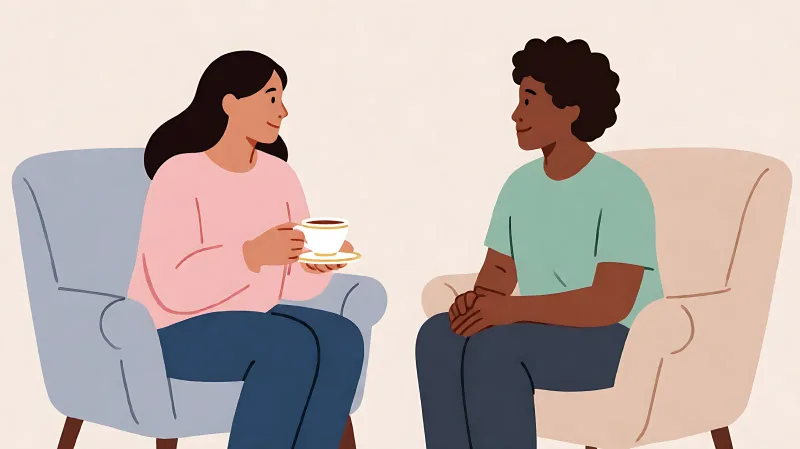
Caregiving can feel isolating. This guide shows you how to connect with peers through national organizations like the Alzheimer's Association, local community chapters, and vetted online forums to share the load and improve your well-being.
Connecting with others in a similar role is one of the most effective ways to reduce caregiver burnout. The Alzheimer's Association and other national bodies provide free virtual and in-person support groups where you can share experiences and get practical advice. Local community centers, libraries, and faith-based organizations also host regular meetings that foster face-to-face peer connection. By joining these networks, you gain a lifeline of emotional support and resource sharing that helps you sustain your caregiving journey.
For more information, see CDC guidance on caring for yourself as a caregiver from the CDC.
Why Peer Support Matters for Caregiver Mental Health
The American Psychological Association notes that feelings of isolation and stress are among the most common struggles reported by unpaid caregivers. Sharing the load with peers who understand the specific challenges of aging, chronic illness, or disability care can significantly improve mental well-being. It normalizes your experiences and reduces the guilt of seeking help. When you realize that others are navigating similar hurdles, such as managing medication or dealing with behavioral changes, the path forward feels less daunting. This social connection acts as a buffer against depression and anxiety, which are disproportionately high in the caregiver population.
How Do You Find Local In-Person Support Groups?
Local groups offer the advantage of face-to-face interaction, which many caregivers find more grounding than digital threads. You can start by contacting your nearest chapter of a national organization. The Alzheimer's Association, for example, maintains a directory of local support groups across the United States and the United Kingdom. These groups often meet in community spaces like senior centers or church halls. Additionally, Area Agencies on Aging in the US can provide lists of local respite care and support meeting schedules. In the UK, organizations like the Carers Trust offer similar local referral services. When attending a first meeting, it is helpful to arrive five to ten minutes early to get settled and introduce yourself to the group facilitator. Look for groups that explicitly state they are open to caregivers, not just individuals with dementia, to ensure the discussion remains relevant to your specific needs.
Where Can You Connect With Caregivers Online?
Virtual communities provide flexibility for those in rural areas or those unable to leave home. The Alzheimer's Association hosts ALZConnected, a free, moderated online message board where caregivers, family members, and those living with dementia can post questions and share tips. This platform allows for 24-hour access to peer advice, which is invaluable during urgent situations. Other national bodies, such as the National Alliance on Mental Illness and the American Stroke Association, also maintain dedicated caregiver forums. When joining online groups, look for those that have active moderation. Structured communities prevent misinformation and create a safe space for emotional venting. It is also common to find local-specific sub-forums or social media groups, such as Facebook pages dedicated to caregivers in specific cities, where members share local resource recommendations and meetup details.
What Should You Expect at Your First Support Group Meeting?
First-time attendees often worry about saying the wrong thing or being the center of attention. In reality, support groups are safe, confidential spaces with no right or wrong way to feel. Typically, a facilitator, who may be a professional social worker or a peer leader, opens the session with a topic. This might range from stress management techniques to legal questions about power of attorney. Participants are usually given the option to speak or simply listen. Listening is a valid form of participation, and many members find comfort just in the presence of others who understand their struggle. It is helpful to bring a pen and notebook to jot down resource names, phone numbers, or self-care ideas shared by other members. Remember that your role is to be a participant, not a presenter. You do not need to have all the answers, only a willingness to connect.
How Do I Handle Emotions During a Group Session?
It is completely normal to feel overwhelmed, tearful, or angry during a support meeting. These emotions are natural responses to the stress of caregiving. If you feel like you cannot speak, you can simply raise your hand or let the facilitator know you are there to listen. Many groups provide a break time or quiet corner where you can step away and regroup. The key is to give yourself permission to feel what you feel without judgment. Peer support is not about fixing problems instantly, but about creating a space where your feelings are validated and held with compassion.