Home Health Aide Red Flags: What to Check
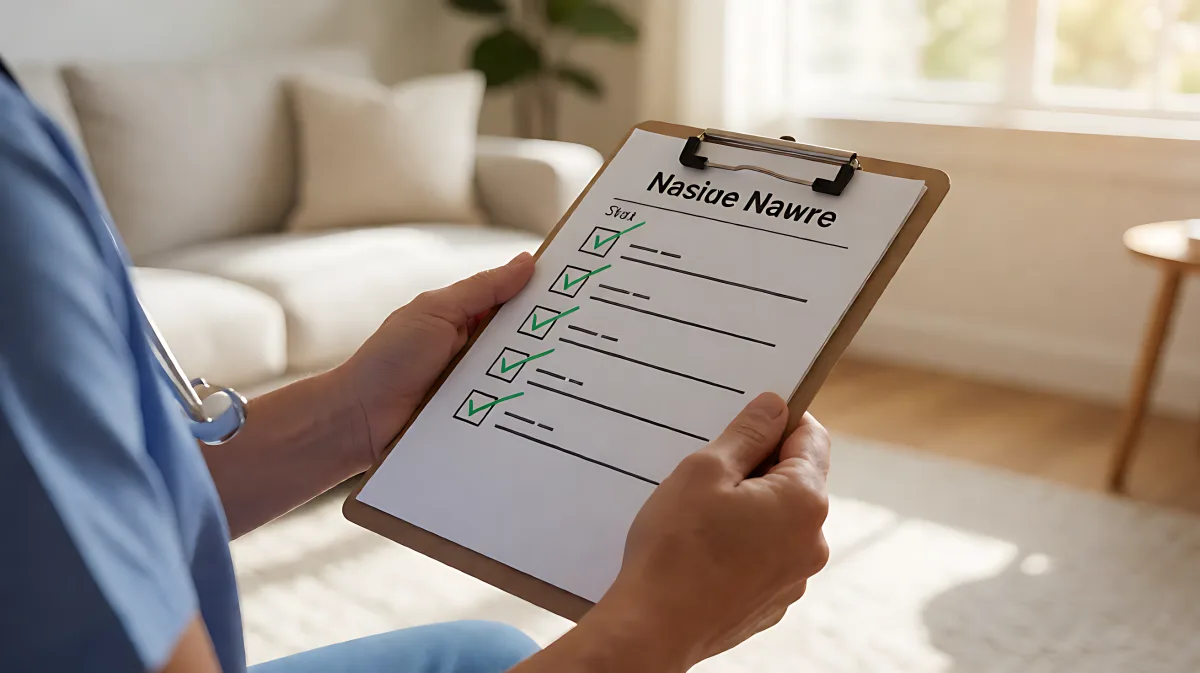
Hiring a private caregiver requires rigorous vetting. This guide outlines the critical clinical, financial, and behavioral red flags families must identify to ensure safety and dignity for their loved ones.
When hiring a home health aide, families must look beyond friendly smiles and check for specific warning signs that indicate clinical negligence, financial liability, or emotional unfitness. Critical red flags include a lack of structured nursing oversight, resistance to detailed documentation, and requests for informal cash payments. Identifying these issues early prevents medical errors and protects household assets.
What are the biggest financial risks when hiring independent aides?
Many families assume that hiring an independent contractor is simply a matter of paying a weekly stipend. In fact, the Internal Revenue Service guidelines classify most household workers as employees, not independent contractors. This distinction is vital because it places the legal burden of payroll taxes, workers' compensation, and liability insurance on the family. A caregiver requesting to be paid 'under the table' is a major red flag. If that worker suffers an injury while lifting a senior, the family could face financial penalties for medical bills and lost wages, as independent workers cannot be bonded or insured against theft or property damage.
Why does regulatory oversight vary so much by location?
In many US states, the non-medical home care market remains largely unregulated. This creates a grey market where anyone can market themselves as a professional. Without a licensed Registered Nurse (RN) supervising the care plan, the family inadvertently becomes the clinical manager. This leads to burnout and medical errors, as the family is responsible for spotting subtle health changes without professional triage support.
How can you identify clinical incompetence during an interview?
A high-quality caregiver acts as the eyes and ears of the health team. You must assess their ability to articulate clinical observations. If a candidate cannot describe how they monitor for skin integrity, hydration levels, or cognitive shifts, they lack the necessary clinical intuition. Watch for resistance to nurse oversight or structured documentation. Professional care requires a transparent feedback loop. A candidate who expresses a preference for working without rules or refuses to maintain detailed care logs presents an independent risk to the senior's safety.
- Ask specifically how they would monitor for early signs of a urinary tract infection or respiratory distress.
- Check if they are willing to follow a nurse-developed care plan without deviation.
- Observe their punctuality and appearance during the initial meeting.
- Evaluate their communication style; short, vague answers suggest potential medication errors.
What behavioral signs indicate a lack of professional boundaries?
Behavioral red flags often manifest as negative talk about former employers or clients, which indicates a lack of accountability and emotional immaturity. Excessive phone use during an interview is also a warning sign for neglect and fall risks for the senior. Additionally, look for 'the cold caregiver.' According to the National Institute on Aging, social isolation is as dangerous as smoking fifteen cigarettes a day. A caregiver who treats tasks as a mechanical checklist without engaging the senior emotionally accelerates this isolation and contributes to cognitive decline.
What are the signs that a facility is neglecting residents?
While this article focuses on in-home care, many families first evaluate facilities before moving to private duty. Chronic understaffing, unresponsive staff, and high turnover are primary indicators of a bad nursing home. During a tour, look beyond the shiny brochures. If call lights are going off on the floor and not answered, or if residents have stained clothing and broken equipment, these are signs of neglect. Pervasive bad odors on an entire unit, rather than just one room, suggest systemic cleaning failures. Staff attitudes must be observed closely; they should address residents with dignity, particularly in memory care units.
How do you spot physical and emotional abuse?
After a senior moves into care, whether in a facility or home, families must stay alert for unexplained injuries, bedsores, and dehydration. These can sometimes happen accidentally, but if they are frequent or severe, they indicate neglect. Emotional abuse is harder to spot but often shows up as sudden fearfulness or withdrawal when specific staff members are present. Financial abuse may involve missing belongings or suspicious banking transactions. Families should document everything and escalate concerns to Adult Protective Services if issues are not resolved by administration.
How can you prevent caregiver burnout from affecting your loved one?
Burnout in a caregiver is a red flag for declining care quality. It often manifests as abnormal bad habits, such as loss of interest in eating or irregular sleep. Physical symptoms include lethargy, persistent colds, and unexplained weight loss. Emotionally, burned-out caregivers may show apathy, social withdrawal, or intrusive negative thoughts. They may become easily irritated, showing resentment or guilt. To mitigate this, families should encourage caregivers to take breaks, accept help from others, and break down tasks into manageable portions. If a caregiver is showing signs of burnout, it is a signal to redistribute the workload or seek respite care.
What is the safest staffing model for long-term care?
The nurse-led model offers the most protection. In this framework, caregivers are clinical extensions of a plan developed and supervised by a licensed Registered Nurse. This eliminates the guesswork and ensures that every protocol is followed with clinical precision. Agencies that directly employ their staff and provide bonding and insurance mitigate financial and legal risks effectively. Consistent caregivers also help build trust and comfort, which is crucial for seniors with dementia or anxiety.
Frequently Asked Questions
Is it safe to hire a caregiver from a registry instead of an agency?
A registry is essentially a matchmaking service that connects you with independent contractors. Once that person enters your home, the registry often steps away. This means there is no supervising Registered Nurse for clinical triage if the senior's condition changes. This lack of professional infrastructure is a primary red flag that increases risk for the family.
What should I do if a caregiver refuses to undergo a background check?
This is an immediate disqualification. Resistance to background checks or drug testing is a sign of potential theft, exploitation, or safety hazards. A reputable provider will always have clear written policies for criminal background checks, driving record reviews, and reference verification. If an agency shrugs off these details, look elsewhere.
How often should I visit my parent's home to check on care?
There is no single standard, but families should establish a baseline. If you notice unopened mail, an empty fridge, or unexplained weight loss during a visit, these are signs that the current arrangement is failing. Unannounced visits are often more effective than scheduled ones in observing the true daily routine and hygiene standards.
Can I fire a home health aide without consequences?
If the aide is employed by an agency, you are terminating the agency's service, not the individual's job directly. You can request a new caregiver if the current one is a poor fit. If you hire an independent worker, you are the employer of record, and firing them involves standard employment laws, including final pay and potential severance depending on local jurisdiction.