Home Occupational Therapy Exercises & Ideas
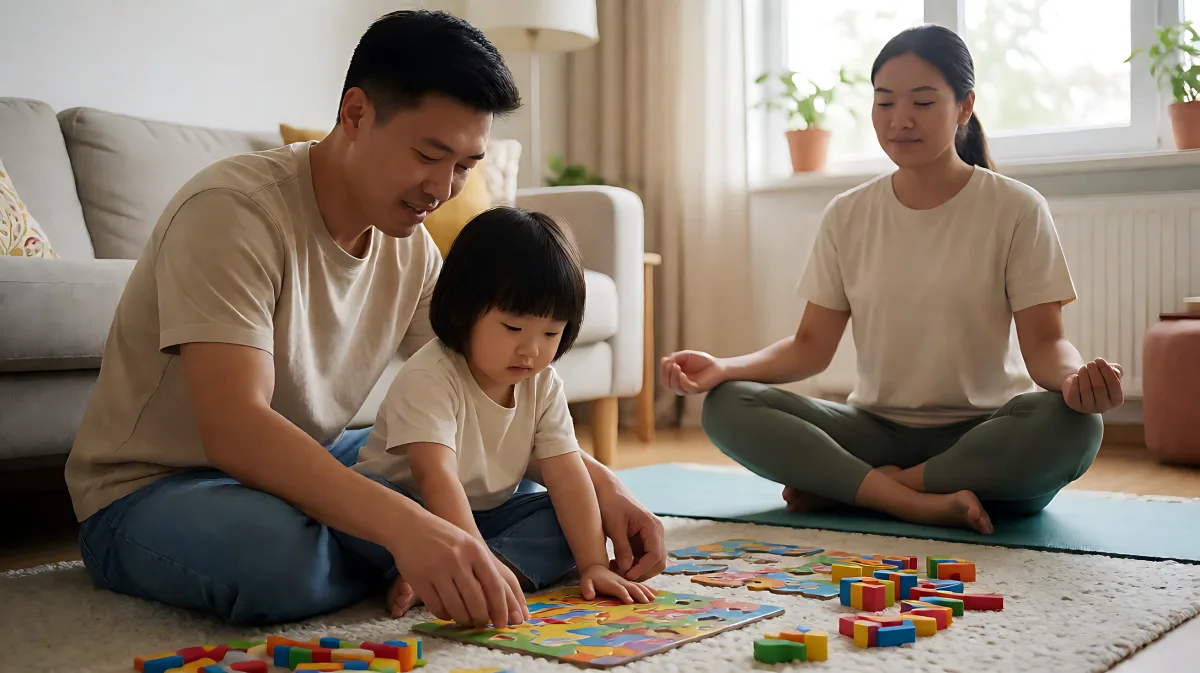
Struggling to bridge the gap between therapy sessions and daily life? Learn how to turn your living room into a therapeutic space with simple, evidence-based activities that target fine motor skills, sensory processing, and self-care independence for all ages.
Occupational therapy (OT) at home focuses on using everyday objects and routines to build independence, not just physical strength. By integrating specific exercises into your daily life, you can maintain progress between professional sessions. These approaches help you master essential tasks like dressing, cooking, and managing sensory input without needing clinical equipment.
What Role Does Occupational Therapy Play in Your Home?
Many people associate therapy only with clinics, but the home is actually the primary arena where skills become functional. According to the World Federation of Occupational Therapists, the goal of OT is to enable people to participate in the activities they want to do. In a domestic setting, this means treating your home as a lab for life skills. Whether you are working with a pediatric case or managing your own recovery, the objective is to reduce barriers. This involves observing how you move through your space, where you trip up on tasks, and how your environment affects your confidence. As of 2026, the emphasis is heavily placed on the "ecological approach," where the therapist and client view the home as a dynamic system rather than a static place.
Unlike physical therapy, which often isolates specific muscles, OT looks at the whole picture. It connects physical ability with cognitive planning and emotional regulation. For instance, putting on a shirt isn't just about arm strength; it involves visual tracking, sequence memory, and executive function. When you practice these in your own bedroom, you are building neural pathways that generalize to real-world situations. This is why carryover—using therapy skills in natural settings—is considered the gold standard of successful treatment.
How Can You Build a Simple Fine Motor Routine?
Fine motor skills, such as buttoning clothes or holding a utensil, can be sharpened with items already in your kitchen. Instead of buying specialized tools, look at everyday objects. A standard deck of playing cards can be used to practice hand-eye coordination by sorting suits or building towers. Paper clips are excellent for gripping strength; try twisting them into shapes or moving them from one bowl to another. These small movements engage the small muscles in the hand and fingers that are often neglected during gross motor exercises.
For those who find repetitive tasks boring, turn them into games. The concept of "play therapy" extends into adulthood when tasks are gamified. You might challenge yourself to pour water from a cup into a smaller cup without spilling. This requires not just grip strength but also motor planning and balance. As recommended by practitioners at The OT Toolbox, using craft pom-poms or cotton balls can add a tactile element, helping you focus on the sensation of touch while performing the movement. This dual-task practice, doing two things at once, is crucial for advanced skill acquisition.
Is Play-Dough Really a Therapeutic Tool?
Yes. Kneading and rolling play-dough provides consistent resistance, which helps strengthen the intrinsic muscles of the hand. It also serves as a calming sensory activity. The repetitive squeezing motion can help regulate the nervous system, making it a dual-purpose tool for both strength and sensory integration. It is inexpensive, non-messy when contained, and safe for all ages.
What Are the Best Strategies for Sensory Regulation?
Sensory processing issues are a common focus in OT, affecting both children and adults. A "sensory diet" is a personalized list of activities designed to help the body handle sensory input more effectively. It is not a food diet but a movement and texture regimen. If you find yourself overwhelmed by loud noises or bright lights, or if you struggle to stay awake due to under-stimulation, a sensory diet helps find the middle ground.
One effective strategy is "heavy work" (or proprioceptive input). This involves applying deep pressure to the joints and muscles. Simple exercises include pushing a broom against the floor, loading a backpack, or squeezing towels with both hands. These activities give the body clear feedback about where it is in space, which can reduce anxiety and improve focus. Outdoor time is also critical. The natural variability of a garden or park provides diverse sensory input that an indoor environment cannot replicate. Walking on uneven terrain or jumping can reset the vestibular system.
How Do You Practice Independent Living Skills Safely?
For adults or older children aiming for greater autonomy, mastering Instrumental Activities of Daily Living (IADLs) is key. These are the complex tasks that allow you to live independently. This includes meal preparation, laundry, and managing medications. Start by breaking these down into sub-steps. For example, cooking a simple meal can be divided into: reading the recipe, prepping ingredients, using heat safely, and cleaning up. Practice each step individually until it becomes automatic. Then, chain them together.
Environmental modification is another powerful OT tool. It does not require buying new furniture. Often, it is as simple as rearranging items. If you have limited mobility, ensure that frequently used items are within reach. Light switches can be raised or lowered if shoulder movement is restricted. In the bathroom, a shower chair or a grab bar can transform a risky area into a safe one. The goal is to remove the need for compensation strategies that are tiring or unsafe. As of 2026, smart home technology is increasingly integrated into these recommendations, allowing voice-activated lighting and automated doors to support independence.
Which Approaches Work Best for Emotional and Cognitive Health?
OT is not just physical; it is deeply psychological. The profession recognizes that confidence in daily tasks is linked to mental well-being. When you successfully complete a task that previously caused stress, you experience a boost in self-efficacy. This positive loop is central to the therapeutic process. Structured routines help with executive function, such as planning and organizing. Use visual checklists or app reminders to manage tasks. For those with conditions like autism or ADHD, predictable structures reduce the cognitive load of decision-making, freeing up mental energy for other activities.
Social participation is also a core domain of OT. This does not always mean going to a party. It can involve simple social skills practice, such as maintaining eye contact during a conversation or taking turns in a board game. Practicing these interactions in the safe environment of your home allows you to build comfort before trying them in public. The key is consistency. Small, regular practice sessions are more effective than long, infrequent ones.
Frequently Asked Questions
Do I need special equipment to start home OT?
No. Most effective home-based occupational therapy approaches use common household items like books, towels, clips, and food. The focus is on the movement and the cognitive process, not the object itself. Creativity in repurposing items is often part of the therapy.
How long should a home therapy session last?
Quality is more important than quantity. Short, focused sessions of 10 to 15 minutes are often better than long, tiring ones. Aim for consistency, integrating small practice moments into your existing daily routine, such as during breakfast or before bed.
Can I do these exercises if I don't have a diagnosis?
Yes. The principles of occupational therapy are beneficial for anyone. They can help improve workplace efficiency, reduce stress, and maintain physical fitness as you age. The concepts of breaking tasks down and optimizing your environment are universally useful for personal development.
What is the difference between physical therapy and occupational therapy at home?
Physical therapy typically focuses on restoring movement, range of motion, and strength to the body itself. Occupational therapy focuses on how the body is used to perform specific tasks and roles. While PT might stretch your shoulder, OT might practice putting a shirt on with that shoulder. PT is about the body; OT is about the activity.