Creative Self-Care Strategies for Grief Management
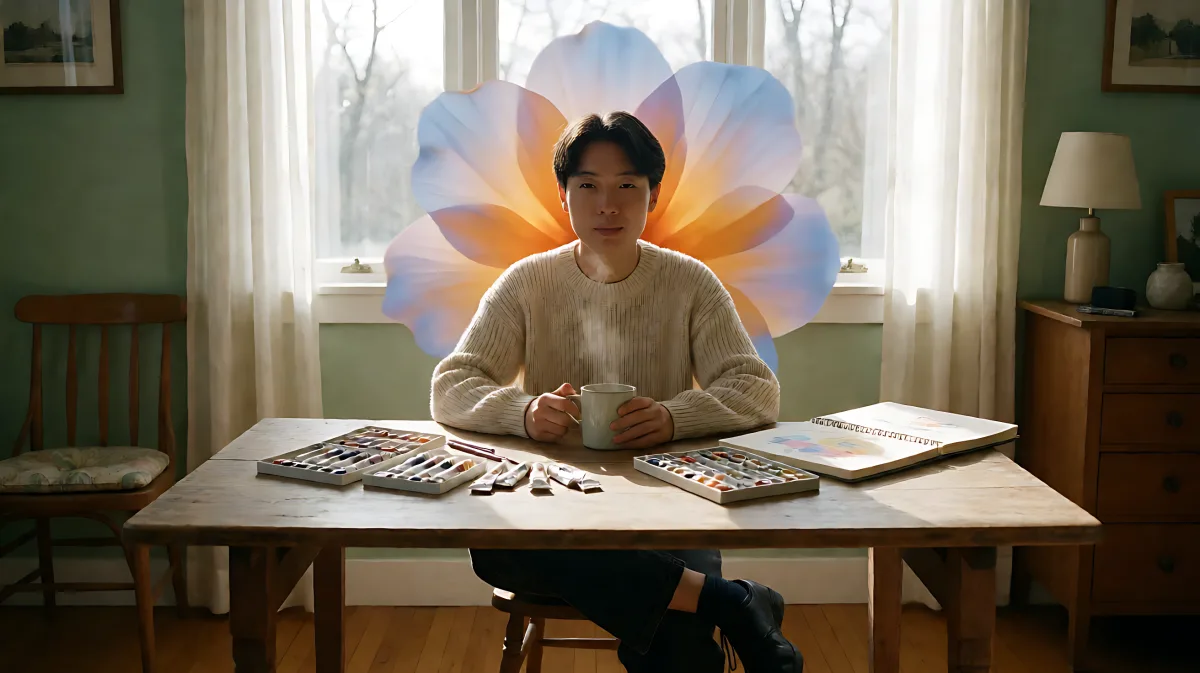
When you are grieving, daily self-care can feel impossible. Creative, realistic strategies—paired with actionable steps and honest boundaries—help you process loss, rebuild your routine, and gently reconnect with joy without forcing a quick timeline.
Creative self-care is a practical, accessible way to manage grief by using imaginative activities to process emotions and maintain a routine when traditional self-care feels too demanding. Research and clinical guidance from organizations like Essentia Health and the Caregiver Action Network suggest that small, realistic creative actions—paired with basic physical habits—can lower stress and help people find meaning even when they feel overwhelmed.
What Is Creative Self-Care for Grief?
Creative self-care means using imagination and making to process feelings, rather than relying only on passive relaxation. Grief experts at What’s Your Grief emphasize that the phrase “self-care” is often thrown around in unrelatable, high-achiever ways, like forcing yoga or perfect meals on someone who is exhausted. In reality, creative self-care fits the person who needs to heal. It can look like making a memory box, sketching in a journal, cooking a specific recipe that reminds you of a loved one, or simply taking a walk to notice the seasons changing. It is not about becoming a fine artist; it is about engaging your brain and hands in a way that eases the load on your heart.
Does Creative Self-Care Actually Reduce Grief Symptoms?
Yes, when paired with basic health habits. The National Center for PTSD notes that grief can trigger similar symptoms to trauma, including sleep problems, anger, and chronic pain, and that engaging with coping strategies is key to recovery. Essentia Health recommends a mix of gentle movement, nutrition, and sleep hygiene to manage the physical toll of bereavement. Creative activities complement these by giving the mind a focused task. Instead of spiraling on intrusive thoughts, you can channel that energy into color mixing, fabric selection, or even a simple to-do list. The Caregiver Action Network points out that caregivers often feel guilty taking time for themselves, but their research shows that this “fertile darkness” period is where growth happens, and creative outlets like painting or writing are effective ways to bridge the gap between numbness and active healing.
Is This Approach Better Than “Standard” Self-Care?
It is not necessarily better; it is often more sustainable. The common misconception is that self-care must be productive or strictly positive. Many grieving families assume that they should immediately return to high-energy activities like running or intensive fitness to “fix” their mood. In fact, that high-pressure expectation usually leads to burnout. The “BAR” approach outlined by What’s Your Grief stands for Balance, Awareness, and Realism. By focusing on realistic, manageable creative tasks, you respect your current energy levels. You do not need to paint a masterpiece; you just need to pick up a pencil.
How to Start Your Creative Grief Routine
Building a routine during grief means adjusting to your available energy. Here is a structured way to begin without overwhelming yourself.
- Start small with creative tasks: Spend just 10 to 15 minutes a day on a low-stakes activity. This could be coloring a printed sheet, writing one paragraph in a journal, or sorting photographs. The goal is gentle engagement, not perfection.
- Establish a physical baseline: Essentia Health advises that even when grief hits, you must eat three nourishing meals a day to maintain energy. Without basic nutrition, creative focus is impossible. Pair your creative time with a warm beverage.
- Protect your sleep: Sleep disruptions are a major grief symptom. Essentia Health recommends keeping a dark, cool bedroom and avoiding caffeine and heavy visual media like screens after 8 pm. A consistent bedtime routine stabilizes your mood, making creative work easier to approach.
- Balance active and passive days: On days with higher energy, you might tackle a larger creative project like a collage or a home improvement task. On low-energy days, stick to passive forms, like listening to music that matches your mood, a tactic recommended by Essentia Health for feeling understood.
What Is the Most Effective Creative Activity for Grief?
There is no single best activity; it depends on your history and current capacity. For visual people, photography or scrapbooking allows you to organize scattered memories into a tangible collection. For verbal processors, writing letters to the person you lost or keeping a structured journal helps externalize the emotion. The What’s Your Grief organization highlights that cooking or baking a specific recipe is a powerful way to connect with a loved one, transforming food into memory rather than just fuel. The key is to choose what feels safe, not what feels impressive.
How Do You Know If You Are Doing It Right?
Self-awareness is a critical component of the BAR (Balance, Awareness, Realism) approach. You need to check in with yourself periodically. If you find that your creative time is becoming a source of stress—because you are judging your output or forcing yourself to continue when you are too tired—then you have drifted away from the purpose. Grief is not a linear path, and your energy will fluctuate. It is normal to have days where you cannot face art supplies, but you can still engage in passive creative acts like listening to a podcast about art history or watching a documentary. The Caregiver Action Network emphasizes that patience is required. Moving from grieving to healing takes time, and allowing yourself to rest without guilt is just as important as the creative act itself.
What Common Mistakes Should You Avoid?
Many grieving caregivers or families assume that taking time for themselves betrays the memory of their loved one. This feeling of “caregiver guilt” is widespread, but experts at the Caregiver Action Network clarify that self-care is a necessity for health, not an act of selfishness. Another common error is isolating. While solitude and silence are valuable for processing, the What’s Your Grief organization advises against total withdrawal. Share your feelings and your creative work with trusted friends or support groups. Essentia Health also suggests that if your sleep problems or anxiety remain severe despite these lifestyle adjustments, you should speak with a primary physician, as medical support may be necessary alongside creative self-care.
FAQ
How long should a creative self-care session last?
For most people in the acute phase of grief, 10 to 20 minutes is enough. The goal is consistent, low-friction engagement rather than a marathon session. Shorter, regular intervals prevent burnout and keep the creative act from becoming another source of pressure.
What if I have no artistic background or skills?
Creative self-care is not about skill. It is about expression. Writing in a bullet journal, folding a paper airplane, or even organizing a bookshelf can serve as creative acts. The focus is on the process and the sensory experience, not the final product. You do not need to be a professional artist to find solace in making.
How can I balance my creative self-care with caring for others?
Use the “Balance” component of the BAR approach. Schedule your creative time as a fixed appointment in your calendar, just like you would a doctor’s visit. By protecting this time, you actually become a better caregiver because you are refilling your own emotional battery. Essentia Health notes that saying “no” to a minor obligation so you can say “yes” to your own health is a vital part of recovery.
Is it normal to lose interest in activities I used to enjoy?
Yes. A decrease in zest and an inability to concentrate are common symptoms of grief, according to the National Center for PTSD. It may take weeks or months for the enjoyment to return. During this time, shift from “doing” to “being.” Passive creative activities, like simply sitting in the sun and listening to music, are perfectly valid forms of self-care.