Home Health Agency vs Hospital Discharge Risks for Seniors
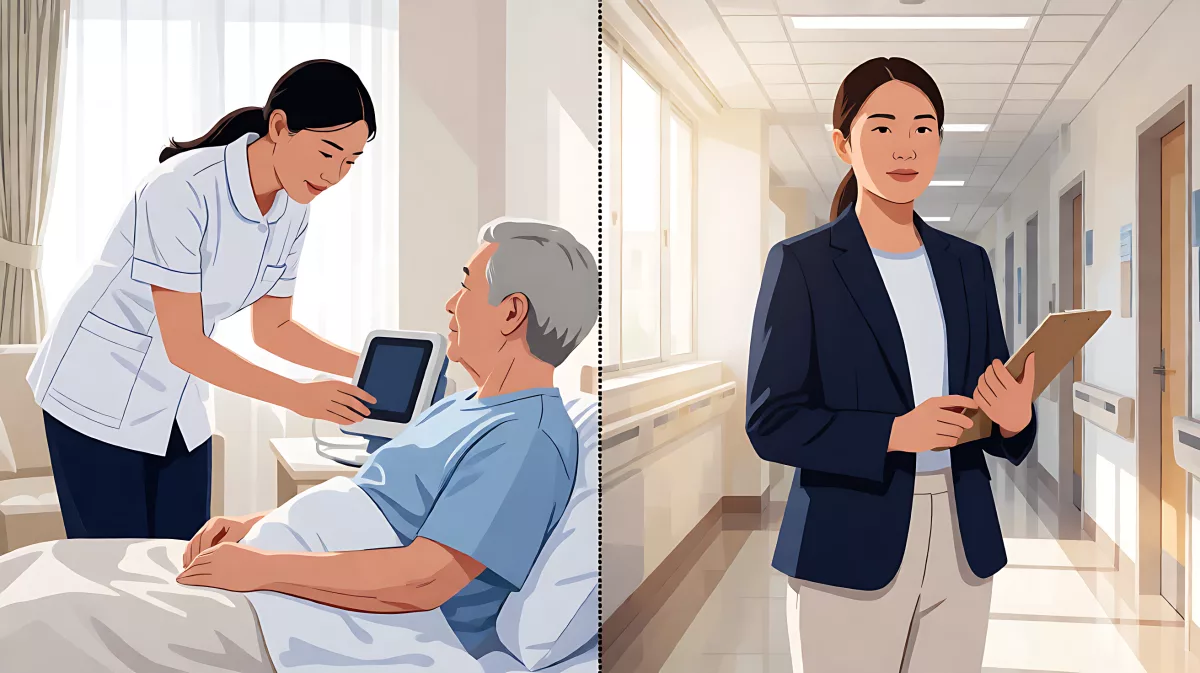
Understanding the trade-offs between hiring a private home health agency and relying on standard hospital discharge planning for elderly patients.
Choosing between a dedicated home health agency and a standard hospital discharge plan significantly impacts an elderly patient's safety. While hospital discharge planning focuses on rapid bed management, independent home health agencies provide continuous, agency-specific oversight that reduces the risk of infection and medication errors associated with fragmented post-hospital care.
What are the main risks of hospital discharge planning for seniors?
For many older adults, the transition from hospital to home is the most vulnerable point in the care cycle. Standard hospital discharge planning is often driven by bed availability rather than individual patient readiness. This administrative focus can lead to "bounced" discharges, where patients return to the emergency department within seven days of leaving. Without a dedicated home health team monitoring the immediate post-discharge period, subtle declines in condition, such as early signs of sepsis or respiratory distress, may go unnoticed until they become critical.
How does fragmented care increase infection exposure?
When patients rely solely on hospital discharge summaries without ongoing agency support, they often navigate complex medication changes and wound care instructions with minimal guidance. This gap creates opportunities for medication errors, which the Agency for Healthcare Research and Quality identifies as a leading cause of preventable hospital readmissions among seniors. Furthermore, without consistent clinical observation at home, family members may not recognize early infection indicators, leading to delayed treatment and increased hospitalization time.
Why might a home health agency offer better risk management?
Independent home health agencies provide a consistent layer of clinical support that bridges the gap between the hospital and daily life. Unlike the brief visits mandated by standard discharge plans, agencies can schedule frequent nursing and therapy sessions tailored to the patient's specific recovery needs. This continuity allows for the early detection of complications. For instance, a nurse can monitor vital signs for trends that a one-time discharge checkup would miss, such as gradual oxygen saturation drops or fluctuating blood sugar levels, which are common in elderly patients with chronic conditions.
What role do staffing levels play in post-discharge safety?
The quality of care is directly linked to the agency's staffing model. The Centers for Medicare & Medicaid Services (CMS) tracks quality data for home health agencies, but researchers at the University of Chicago have noted that current federal rating systems for nursing and home care quality have limitations. To ensure safety, look for agencies that maintain low nurse-to-patient ratios and invest in staff training. High turnover rates in care staffing can disrupt the personal continuity that is vital for elderly patients, making it harder to build trust and accurately assess subtle changes in health status.
How do data privacy and security affect home care providers?
A significant but often overlooked risk in modern care delivery is data security. The shift toward electronic health records in home care brings convenience but also vulnerability. CMS has historically struggled with data breaches, with over 600,000 individuals affected in recent years. When a home health agency processes sensitive data, including social security numbers and detailed medical history, it must adhere to strict security protocols. Families should verify that their chosen agency uses encrypted communication platforms and complies with current federal data security standards to protect their loved one's privacy.
Does location impact the effectiveness of home care?
Geographic factors also influence risk. Research from Public Health Wales indicated that outbreaks of respiratory viruses in care settings were more likely in larger facilities and those with specific care provisions. While this data focused on residential care, the principle applies to home health: density of care and the type of intervention matter. Rural areas may face longer response times for emergency medical transport compared to urban centers, making proactive monitoring by a home health agency even more critical to prevent a minor issue from becoming an emergency.
What should families consider before choosing a provider?
When evaluating providers, families should look beyond cost to assess clinical depth. A standard hospital discharge plan is a one-time event, whereas a home health agency offers a longitudinal service. Check the agency's accreditation status and their approach to caregiver training. The best providers integrate seamlessly with the hospital team, ensuring that discharge instructions are not just delivered, but actively managed. As data from the National Study of Long-Term Care Providers shows, the majority of older adults rely on Medicare for a significant portion of their care, making it essential to choose a Medicare-certified agency to ensure coverage and compliance with federal quality benchmarks.
How can families mitigate the risks of either option?
Regardless of the chosen path, active family involvement is the most effective risk mitigation strategy. Families should create a shared digital or physical care log to track symptoms, medications, and visits. Regular check-ins with the care team help maintain accountability. By staying informed and engaged, families can bridge the gaps in any care model, ensuring that the elderly patient receives consistent, high-quality support throughout the recovery process.
Frequently Asked Questions
Are home health agencies more expensive than hospital discharge planning?
Not necessarily. Since most home health services are covered by Medicare for patients meeting specific criteria, the direct cost to the family is often similar or lower than the hidden costs of repeated hospital readmissions. An agency provides preventive care that can avoid emergency visits, which are significantly more expensive and disruptive.
Can a home health agency replace hospital discharge planning?
No, they work in tandem. The hospital must provide the initial discharge orders and medical summary. The home health agency then executes the ongoing care plan based on those orders. They are complementary services rather than replacements. The agency extends the reach of the hospital's instructions into the home environment.
What are the signs that a hospital discharge plan is insufficient?
Signs include confusion about medication changes, lack of a clear contact number for post-discharge questions, and a failure to arrange for home safety assessments. If the discharge process feels rushed and leaves family members with unanswered questions, supplementing with a dedicated home health agency is advisable.
How does infection risk differ between home and hospital settings?
Hospitals carry a higher baseline risk for healthcare-associated infections, such as MRSA or C. diff. By continuing care at home through an agency, the patient is exposed to community risks rather than hospital-acquired pathogens. However, the patient's weakened immune system makes them vulnerable, requiring strict hygiene protocols that a trained nurse can enforce more consistently than family members.
Where can families find data on agency quality?
The Centers for Medicare & Medicaid Services (CMS) maintains a public database where families can search for home health agencies by location. This tool provides quality ratings, inspection reports, and staffing data. While researchers note that some metrics are imperfect, it remains the primary tool for comparing provider performance and making informed decisions.