Grief Counseling Techniques for Widows | AARP Guide
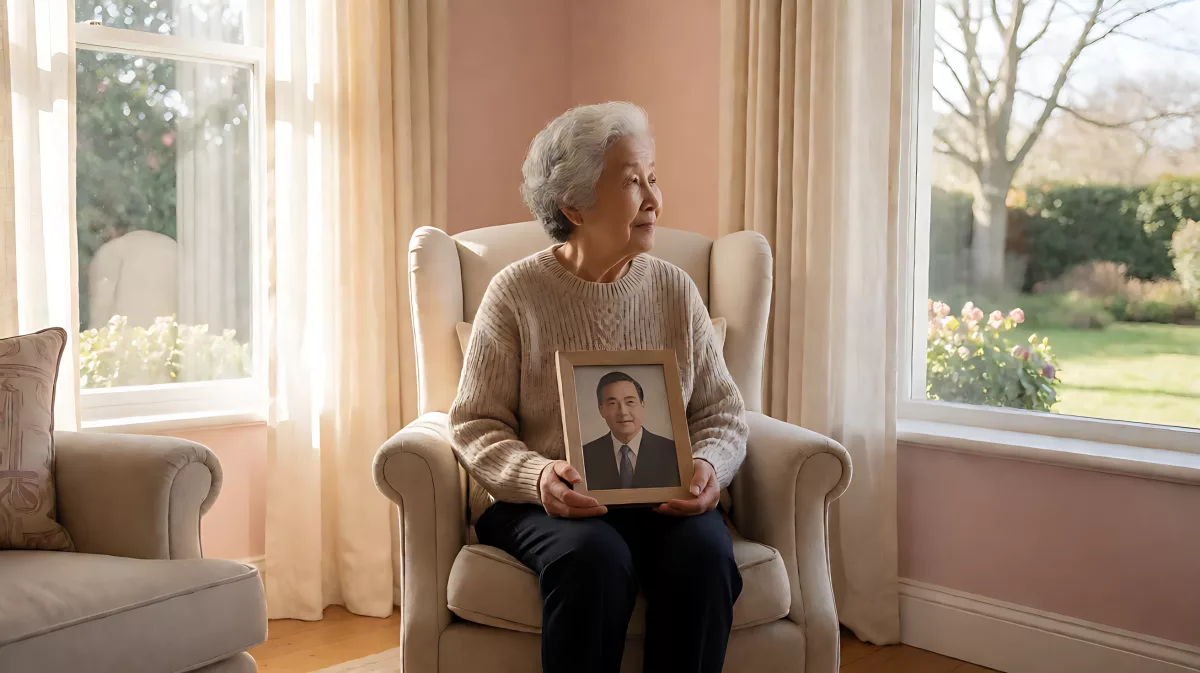
Losing a spouse is one of life’s most profound challenges. This guide explores evidence-based grief counseling techniques specifically designed to support widows, offering practical strategies for navigating emotional turmoil and finding renewed purpose.
Grief counseling provides structured emotional support for widows by using techniques like narrative therapy, art expression, and cognitive behavioral strategies to process loss. These methods help rebuild daily routines, manage complicated grief symptoms, and foster new social connections, offering a clear path toward healing and adaptation after spousal death.
What specific techniques are used in grief counseling for widows?
Therapists specializing in bereavement employ a variety of evidence-based methods to help widows navigate their pain. One core technique is narrative therapy, where the counselor guides the widow to reframe the story of their marriage and loss, helping to find meaning rather than just enduring suffering. Another common approach is cognitive behavioral therapy (CBT), which addresses distorted thought patterns such as guilt or worthlessness that often follow the loss of a spouse. For those who struggle to verbalize their pain, expressive arts therapy offers a powerful alternative. Research published by Taylor & Francis indicates that art therapy can be particularly beneficial for individuals experiencing significant loss, allowing emotions to be processed through painting, journaling, or music without the pressure of verbal confrontation. These techniques are not one-size-fits-all; instead, they are tailored to the widow's specific circumstances, whether the death was sudden, traumatic, or long-anticipated due to illness.
How does professional counseling differ from standard social support?
While friends and family play a crucial role in early stages of bereavement, their support is often limited by their own emotional capacity and lack of professional training. Grief counselors provide a safe, non-judgmental environment where widows can explore complex feelings without worrying about burdening others. A key distinction is the focus on long-term adaptation. Counselors help identify "complicated grief," a condition where sorrow persists and impedes daily functioning well beyond the expected period. According to mental health data reviewed by BetterHelp, this form of grief can lead to major depressive disorder or prolonged grief disorder. Professional intervention aims to prevent these complications by teaching specific coping mechanisms, such as emotion labeling and stress management. Furthermore, counselors can connect widows with specialized resources for practical needs, such as housing, financial planning, or food assistance, which are critical when a spouse was the primary caregiver or financial provider.
Which practical strategies help widows rebuild daily life?
Rebuilding a life structure after losing a partner is one of the most difficult aspects of widowhood. Counselors often utilize behavioral activation techniques to encourage widows to engage in meaningful activities. This might involve scheduling regular visits with grandchildren, joining a community choir, or taking up a new hobby. The goal is to counteract social withdrawal, which can deepen feelings of isolation. Additionally, therapists work on establishing new rituals that honor the deceased while acknowledging the new reality. For example, instead of keeping a room untouched as a shrine, a widow might be guided to create a memory box containing specific items, which allows for controlled engagement with the past. This technique helps transition from active mourning to integration. Support groups also play a vital role, offering a space where widows can share experiences with peers who understand the unique challenges of becoming an older single person. These groups normalize the experience of feeling overwhelmed by household chores, financial decisions, and medical appointments that were previously shared responsibilities.
What resources are available for older adults seeking help?
Accessing care can be a barrier for many widows, particularly those on fixed incomes. However, numerous organizations provide specialized support. The American Association for Retired Persons (AARP) offers extensive online resources and peer support networks specifically for those dealing with spousal loss. Many local community centers and senior living facilities host grief support groups led by certified counselors. For those who prefer remote assistance, telehealth platforms have expanded access to licensed therapists, allowing sessions to be conducted via video or phone. This flexibility is crucial for widows who may have limited mobility or live in rural areas. It is important to note that while some basic support materials are available at low cost, comprehensive therapy typically requires insurance. Many major insurance plans now cover mental health services, and telehealth providers often report average copays that are significantly lower than traditional in-person visits, making professional help more accessible. Widows should also be aware of crisis lines available 24/7 for immediate emotional support, ensuring that help is always within reach during moments of acute distress.
How can widows prepare for significant anniversaries and holidays?
Holidays and anniversaries often trigger intense waves of grief, known as "grief spikes." Counselors prepare widows for these times by planning ahead. Techniques include creating new traditions that incorporate the memory of the spouse without focusing solely on their absence. For instance, instead of spending the holiday in silence, a widow might decide to host a potluck lunch for friends or volunteer at a food bank in her late spouse's name. This shift from passive avoidance to active engagement helps reduce anxiety. Therapists also use cognitive reframing to help widows interpret the discomfort of these dates as a natural part of the healing process, rather than a sign of failure. By having a concrete plan for these high-stress times, widows can feel more in control and less isolated in their experiences.
Does grief counseling help with physical symptoms of loss?
Yes, chronic grief is often associated with physical symptoms such as digestive issues, fatigue, and headaches. Counseling helps by addressing the underlying stress and anxiety that contribute to these physical manifestations. Through relaxation techniques, mindfulness, and improved coping strategies, widows can often see a reduction in somatic symptoms, improving their overall quality of life.
How long should a widow continue with grief counseling?
The duration varies widely depending on the individual's progress and the complexity of the grief. Some widows benefit from short-term interventions focused on immediate coping, while others may engage in longer-term therapy to address deep-seated emotional patterns. The goal is not a fixed timeline but rather the point at which the widow feels equipped to navigate their loss with resilience and has reintegrated into a fulfilling daily life.
Are there free support options for widows?
While professional therapy usually involves a cost, many non-profit organizations and community centers offer free or sliding-scale grief support groups. Online forums and peer-led chat rooms can also provide low-cost emotional connection. Widows should check with local libraries or senior centers, which often host free monthly support meetings led by trained volunteers or social workers.