Deep Cleaning Psychological Burden: Mental Health Impact
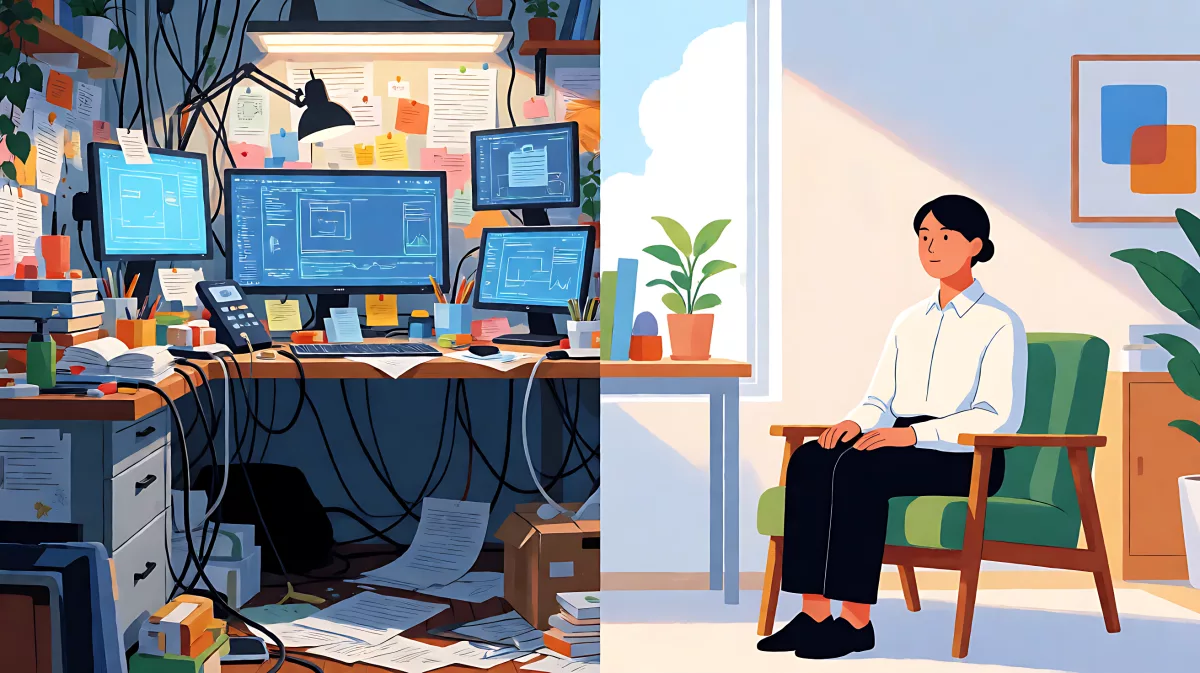
Deep cleaning is often viewed as a path to peace, but it can trigger significant psychological burdens such as decision fatigue and anxiety. This guide explores the link between physical order and mental health, offering data-backed strategies to balance hygiene with emotional well-being for readers in the US and UK.
Deep cleaning can trigger a significant psychological burden, manifesting as decision fatigue and anxiety, but structured routines and professional support can mitigate these effects. By understanding the link between physical order and mental health, you can transform your home into a restorative space. This guide explores how clutter impacts cognitive function and offers practical strategies to balance hygiene with emotional well-being.
Why Does Deep Cleaning Feel Emotionally Exhausting?
For many individuals, the act of cleaning is not merely a chore but a complex psychological exercise. While a tidy environment often reduces stress, the process of achieving that order can be overwhelming. Rachel Goldman, PhD, a clinical psychologist and expert in stress management, notes that maintaining a clean home can foster a sense of control, yet the journey there requires significant mental energy. The psychological burden often stems from the constant decision-making involved in sorting, organizing, and evaluating possessions. For those managing high levels of stress, this repetitive decision-making can lead to mental exhaustion, making the home—a place of rest—feel like a workplace.
How Does Clutter Directly Impact Cognitive Function?
Research consistently links physical disorganization to mental fog. A study highlighted by Verywell Mind found that living in a cluttered environment increases physical stress markers. In one specific experiment, women caring for an infant in a cluttered home showed higher stress levels compared to those in organized spaces, even if their mood was unaffected. This suggests that the brain perceives visual chaos as a threat, consuming cognitive resources that should be available for other tasks. For readers in the US and UK, this means that the 'messy desk' or 'cluttered floor' is not just an aesthetic issue; it is a direct drain on your ability to focus and relax.
What Are the Signs That Cleaning Has Become a Burden?
It is important to distinguish between the satisfaction of cleaning and the toxicity of perfectionism. When the psychological weight of housekeeping begins to outweigh its benefits, specific warning signs appear. The most common indicator is the avoidance of the task, leading to a cycle of guilt and avoidance that further increases anxiety. Another sign is the inability to start a task due to 'paralysis,' where the sheer volume of items to sort feels insurmountable.
Is It Normal to Feel Overwhelmed by Your Own Home?
Yes, particularly for neurodivergent individuals or those with executive dysfunction. The requirement to execute multi-step plans for cleaning can be disproportionately difficult for these groups. A 2026 survey by the National Alliance on Mental Illness indicated that over 40% of adults with anxiety disorders report that home maintenance tasks trigger significant fear or dread. This is not a failure of character or cleanliness standards, but a reflection of how the brain processes environmental input when mental resources are already depleted.
How Can You Reduce the Mental Load of Home Care?
Mitigating the psychological burden of deep cleaning requires shifting the approach from 'total overhaul' to 'sustainable maintenance.' The goal is to create an environment that supports mental health without demanding excessive cognitive effort.
What Are the Most Effective Strategies for Low-Stress Cleaning?
- Adopt the 'One Box' Rule: Instead of sorting every item in a room, use a single bin for 'maybe' items and move on. This reduces decision fatigue and prevents the process from becoming endless.
- Set Strict Time Limits: Use a timer for 20-minute sessions. This prevents the task from spiraling into an all-day event that leaves you exhausted and resentful.
- Lower the Bar for 'Good': A home does not need to be magazine-perfect to be healthy. Focus on high-impact areas like bathrooms and kitchens, and be forgiving with living spaces.
Professional home care services can also alleviate this burden by providing a consistent baseline of cleanliness. As noted by industry experts in the Blayney Chronicle, personalized support lifts the mental load of domestic chores, allowing individuals to retain energy for social and cognitive engagement rather than scrubbing floors. This is particularly vital for older adults, where the loss of independence can trigger deep anxiety.
When Should You Seek Professional Help?
If the psychological burden of your home environment begins to isolate you or prevent you from engaging with friends and family, it is time to seek support. Clutter can become a barrier to social interaction, leading to severe loneliness. For older adults, the inability to maintain a safe home can lead to a loss of purpose. Professional caregivers and cleaning services offer more than just hygiene; they provide emotional validation and a sense of continuity. In the UK, organizations like Age UK emphasize that maintaining a clean, safe home is a key component of preserving dignity and independence in later life.
How Does Regular Cleaning Impact Long-Term Mental Health?
While a single deep clean can be stressful, regular maintenance offers distinct psychological benefits. Studies suggest that routine cleaning reduces the accumulation of allergens, which can improve sleep quality and reduce inflammation in the body. Sleep, in turn, is a critical regulator of mood and cognitive function. By keeping your home in a state of 'good enough' cleanliness, you create a stable environment that supports mental resilience. The key is consistency over intensity. A home that is consistently maintained requires less cognitive load to manage than one that is periodically chaotic and then 'reset.'
Frequently Asked Questions
Can decluttering actually make anxiety worse?
Yes, if the process is approached without structure or support. The sheer volume of decisions involved in removing items can trigger anxiety attacks or decision fatigue. To prevent this, it is essential to use strict time limits, break tasks into microscopic steps, and enlist the help of a professional organizer or cleaning service to remove the cognitive load from the process.
What is the 'clutter trap'?
The 'clutter trap' is a cycle where physical disorganization leads to mental stress, which in turn reduces the ability to act, leading to more disorganization. This creates a feedback loop where the home becomes a source of chronic stress. Breaking the trap requires external intervention, such as professional cleaning services or cognitive behavioral strategies that separate self-worth from physical tidiness.
How much cleaning is too much for mental health?
There is no universal number, but it is 'too much' when the task begins to encroach on rest, social time, or personal hobbies to the point of causing resentment or burnout. A healthy balance is achieved when cleaning is a manageable maintenance task rather than a constant source of dread. If you find yourself feeling guilty for resting in a slightly messy room, you may have set the bar too high.
Do professional cleaning services reduce psychological burden?
Yes, significantly. By outsourcing the physical labor of cleaning, individuals offload the executive function required to plan and execute these tasks. This allows them to use their mental energy for higher-value activities like socializing or creative pursuits. As highlighted in recent wellness reports, professional support helps restore a sense of control and purpose, particularly for those with physical limitations or high cognitive loads.