Coping With Spouse Loss: Grief Support for Seniors
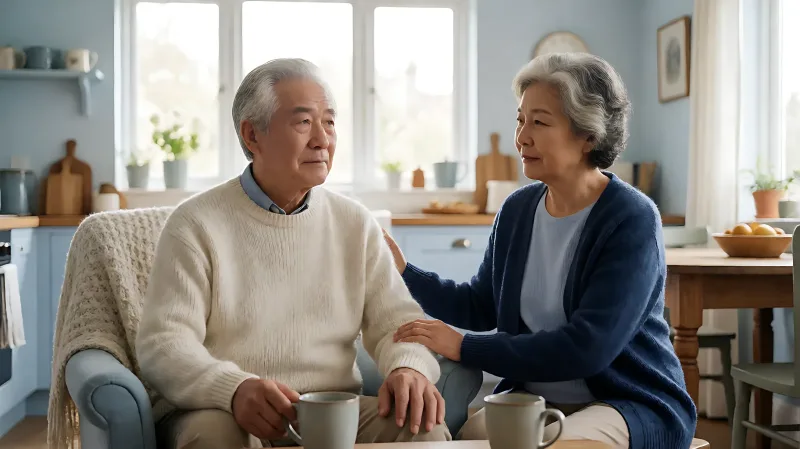
Losing a spouse is a profound challenge for older adults. This guide offers practical coping strategies, health insights on the widowhood effect, and resources for managing grief.
Losing a spouse is one of the most significant life events for older adults. According to the National Institute on Aging, grief involves intense emotional and physical pain, but it is a normal response that can be managed with the right support. This article provides practical coping strategies for seniors, explores the health impacts of spousal loss, and highlights resources available in the United States and United Kingdom to help individuals navigate their bereavement journey.
For more information, see NIMH mental health information from the National Institute of Mental Health.
What Is the Widowhood Effect and Why Does It Matter?
The term widowhood effect describes the increased risk of mortality that older adults face shortly after losing a partner. Data suggests that within the first year of a spouse's death, men experience approximately a 70 percent higher risk of death, while women face about a 27 percent higher risk. This statistical gap is not just emotional; it is physiological. Grief triggers the release of stress hormones like cortisol, which can increase inflammation and blood pressure. For seniors, this surge in stress can weaken the immune system and exacerbate existing cardiovascular conditions. Understanding this link is crucial because it highlights the need for medical monitoring during the early stages of bereavement.
How Does Grief Physically Impact Senior Health?
Grief is not just a mental state; it manifests physically in ways that can severely impact daily life. Common symptoms include sleep disturbances, loss of appetite, and chronic fatigue. The National Institute on Aging notes that many grieving individuals struggle with concentration and decision-making. In severe cases, traumatic loss can lead to stress-induced cardiomyopathy, often referred to as broken heart syndrome, which temporarily weakens the heart muscle. To mitigate these risks, the Centers for Disease Control and Prevention recommends that older adults maintain consistent sleep schedules and engage in light physical activity, such as walking, to help regulate stress hormones and support heart health.
What Are Practical Coping Strategies for Older Adults?
Effective coping involves a mix of emotional processing and routine maintenance. Seniors should prioritize self-care by maintaining nutritional habits and staying in contact with healthcare providers. It is common for interest in cooking and eating to decline after a loss, so planning simple, nourishing meals is essential. Additionally, engaging in social activities can counteract the isolation that often accompanies widowhood. Simple actions, like eating lunch with a friend or joining a local social club, can provide the necessary social connection to combat loneliness. The National Institute on Aging advises that while family and friends are helpful, they may also be grieving. Therefore, joining a peer support group where others share similar experiences can offer a unique sense of community.
When Should You Seek Professional Help?
While most people adjust to loss over time, some develop complicated grief. This condition is characterized by intense, prolonged distress that prevents an individual from resuming their life. Signs include overwhelming negative emotions, a preoccupation with the death, and an inability to find meaning or purpose. If grief prevents daily functioning, professional intervention is recommended. Grief counseling can help individuals process their emotions and develop healthy coping mechanisms. The American Psychological Association suggests that targeted therapy can be particularly effective for those who are stuck in a cycle of intense sorrow. Seeking help is not a sign of weakness but a vital step toward recovery.
Where Can Seniors Find Support and Resources?
Support is available through various community and national organizations. In the United States, local senior centers, hospitals, and faith-based communities often host grief support groups. Online resources also provide access to counseling and peer forums, which is especially beneficial for those who are housebound or live in rural areas. In the United Kingdom, the charity Age UK offers support and advice for older adults, including helplines for those feeling isolated. Hospice organizations, such as those recognized by the National Hospice and Palliative Care Organization, often provide bereavement support services to families, even if the patient was not under hospice care. Utilizing these resources can create a safety net of support during the most difficult times.
How Can Family Members Support a Grieving Spouse?
Family members play a critical role in supporting an older relative through bereavement. It is important to encourage open conversations about the deceased, as talking about memories can be therapeutic. Avoid placing artificial timelines on the grieving process; for some, it takes months, while for others, it takes years. Practical help, such as assisting with household chores or managing finances, can alleviate the cognitive load of grief. The National Institute on Aging emphasizes that allowing space for remembrance and honoring the loved one helps facilitate healing. Patience and consistent presence are more valuable than trying to "fix" the situation.
What is the difference between grief and mourning?
Grief is the internal emotional process of reacting to loss, while mourning is the public or external expression of that grief. Mourning is often influenced by cultural, religious, and social norms, whereas grief is a deeply personal and subjective experience.
How long does acute grief last for older adults?
Research indicates that approximately half of individuals see a significant reduction in acute grief symptoms within six months of the loss. However, some people may continue to experience intense symptoms for years, particularly if they develop complicated grief.
Are there specific exercises that help with grief?
While no specific exercise cures grief, the Centers for Disease Control and Prevention recommends regular physical activity, such as walking or gentle yoga, to help manage stress hormones, improve sleep, and boost overall physical health during the bereavement period.
Can social isolation worsen physical health in widowed seniors?
Yes. Social isolation is linked to higher risks of cardiovascular disease and weakened immune function. Maintaining social connections, even through small interactions, is vital for physical and mental well-being after the loss of a spouse.
What are the signs of complicated grief?
Signs include intense, persistent sorrow that interferes with daily life, inability to accept the death, excessive focus on the deceased, and difficulty moving forward with life plans. If these symptoms persist for more than a year, professional help is strongly advised.