Cold Chain Logistics For Home Oxygen Therapy
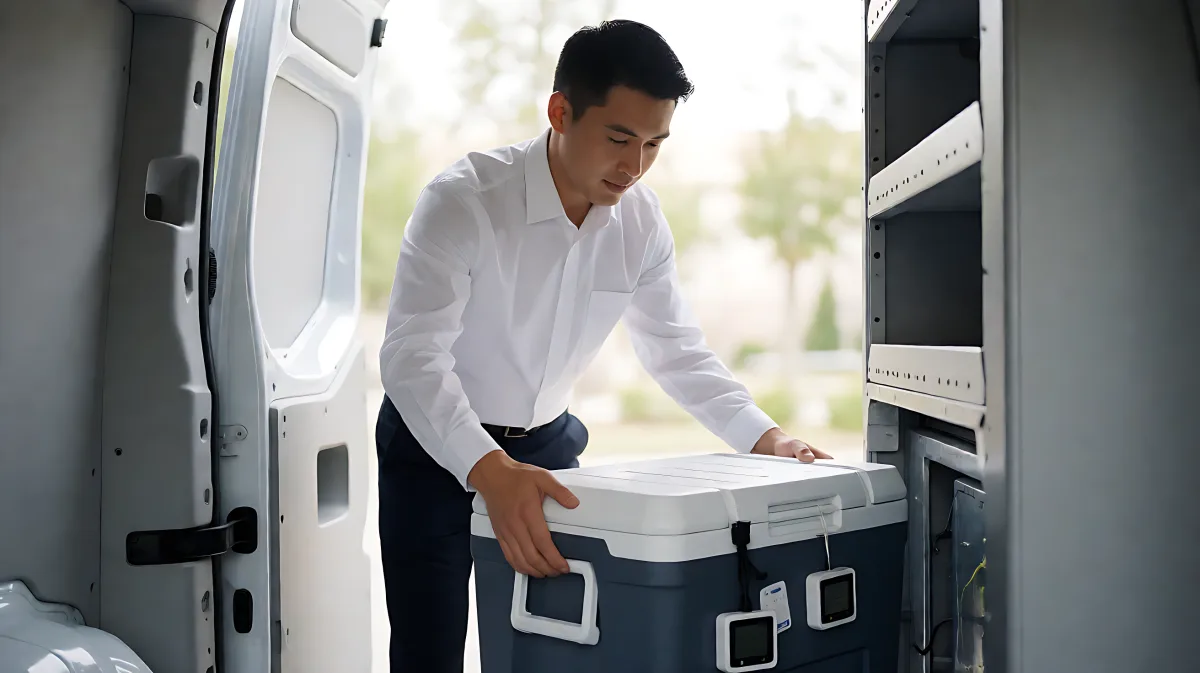
Home oxygen therapy relies on a sophisticated cold chain to preserve equipment integrity. Learn how specialized packaging, monitoring, and transport networks ensure safe delivery.
Home oxygen therapy delivery relies on a specialized cold chain logistics network to maintain the integrity of medical devices and supplies. Temperature-controlled transport ensures that concentrators, regulators, and portable units arrive in optimal condition. Advanced monitoring systems track environmental data throughout transit, preventing equipment degradation. This infrastructure bridges the gap between manufacturers and patients, guaranteeing safety and efficacy. Proper cold chain management reduces the risk of operational failures in life-sustaining equipment.
Why Is Temperature Control Critical for Oxygen Equipment?
Oxygen therapy devices are complex assemblies of electronic, mechanical, and gas-storage components. While oxygen gas itself is not temperature-sensitive, the hardware used to deliver it is. Modern portable oxygen concentrators (POCs) contain sensitive electronic control boards, compressors, and sensors. Exposure to extreme temperatures during transit can compromise these components. For instance, excessive heat can degrade battery life or cause condensation inside the device, leading to short circuits. Conversely, freezing temperatures can damage lubricants in moving parts. According to industry standards managed by organizations like the International Air Transport Association, specialized handling is required for medical cargo to prevent such deviations.
The stakes are particularly high for home-based care. Unlike hospital settings where equipment is stationary, home oxygen units must survive frequent travel. Patients often take portable units on planes, in cars, or through varying weather conditions. If the cold chain integrity is broken during the initial delivery or replacement cycles, the device may not perform reliably. This can lead to hypoxia risks, which is why logistics providers must adhere to strict validation protocols.
How Do Specialized Packaging Solutions Protect Devices?
Shipping medical equipment requires more than a cardboard box. Logistics partners use specialized passive and active cold chain packaging. Passive packaging includes phase-change materials that maintain a stable temperature range without external power. This is crucial for short-haul deliveries where maintaining a specific temperature band is vital. Active systems, on the other hand, use powered coolers or heated containers to hold precise temperatures for longer durations.
- Insulated Shippers: Custom-built containers with multi-layer insulation to buffer against ambient temperature swings.
- Data Loggers: Small devices placed inside the package that record temperature and humidity in real-time. These provide an audit trail for quality assurance teams.
- Shock Monitoring: Accelerometers that detect if the package has experienced significant impact, alerting handlers to potential internal damage.
Major logistics providers have integrated these solutions into their healthcare portfolios. For example, UPS offers a suite of cold chain services that include validated packaging testing. They work with medical device manufacturers to determine the specific thermal stability range of each product. This collaboration ensures that the packaging matches the product's tolerance levels, reducing the risk of excursion events where the temperature falls outside the safe zone.
What Role Does Real-Time Monitoring Play?
Visibility is the backbone of modern medical logistics. Without knowing where a shipment is and what conditions it is in, companies cannot guarantee safety. Real-time monitoring systems use IoT sensors to transmit data to central platforms. This allows logistics teams to intervene if a shipment is delayed in hot weather or if a temperature excursion occurs. In 2026, these systems have become more sophisticated, integrating AI to predict potential risks before they happen.
For home oxygen therapy, this monitoring extends to the last mile. When a new concentrator is being installed at a patient's home, the delivery agent must verify the temperature logs. This ensures the device has not been exposed to conditions that could affect its calibration. Organizations like the Association for the Advancement of Healthcare Information Management use these data streams to audit supply chain performance. The goal is to achieve zero-defect deliveries, where every unit arrives in perfect working order.
How Do Regulations Influence Cold Chain Practices?
Medical logistics is heavily regulated. The FDA in the United States and the Medicines and Healthcare products Regulatory Agency in the UK set strict standards for the transport of medical devices. These regulations mandate that distributors maintain a quality management system that includes validated transport conditions. Companies must prove that their logistics partners adhere to Good Distribution Practice (GDP) standards.
Compliance involves regular audits and training for carriers. Logistics providers often hold certifications such as IATA CEIV Pharma, which is a globally recognized standard for the transportation of pharmaceuticals and healthcare products. While originally designed for drugs, this certification applies to the broader category of temperature-sensitive medical goods, including oxygen equipment. This certification requires rigorous temperature mapping, risk assessment, and contingency planning. It ensures that when a shipment is handed over, it meets the same quality standards as when it left the factory.
What Are the Challenges in Rural and Remote Areas?
As noted in the 2026 Senior Report by the United Health Foundation, there are significant differences in health outcomes between urban and rural populations. Home oxygen therapy is a critical lifeline for many older adults in these areas. However, logistics in rural regions face unique hurdles. Longer transit times increase the risk of temperature excursions. The first and last mile delivery is often more complex, with limited infrastructure for temperature-controlled handoffs.
Logistics companies are addressing this by developing point-of-care delivery models. Instead of shipping bulk inventory to a central warehouse, they ship directly to the patient's residence in temperature-controlled boxes. This reduces the number of handling points and minimizes time in uncontrolled environments. Additionally, specialized couriers are trained in handling fragile medical equipment, ensuring that devices are not subjected to mechanical stress during the final delivery.
FAQ
Does oxygen gas itself need to be kept cold during transport?
No, compressed oxygen gas does not require refrigeration. However, the electronic components and batteries inside portable oxygen concentrators are temperature-sensitive. Extreme heat or cold can damage these parts, so the packaging must maintain a stable ambient range to protect the device's hardware.
How long can a home oxygen unit be in transit safely?
It depends on the packaging and ambient conditions. Passive insulation can maintain safe temperatures for 24 to 48 hours in moderate climates. Active systems can maintain specific temperatures for days or weeks. Logistics providers calculate the maximum allowable transit time based on the distance and predicted weather to ensure safety.
What happens if a temperature excursion occurs?
If a shipment goes outside the validated temperature range, it is flagged by the monitoring system. The device is typically quarantined. Quality assurance teams review the data logs to assess the risk. If the exposure is minor and within the safety margin of the electronics, the device may be cleared for use. If significant, it is returned for inspection or replacement to ensure patient safety.
Are there specific laws governing the delivery of medical devices?
Yes, in the US, the FDA enforces rules under Good Distribution Practice for medical products. In the UK, the MHRA oversees similar standards. These laws require that distributors use validated methods to transport equipment and maintain documentation that proves the cold chain was unbroken.