Basic Caregiving Skills: Safe Transfers, Bathing, and Medication
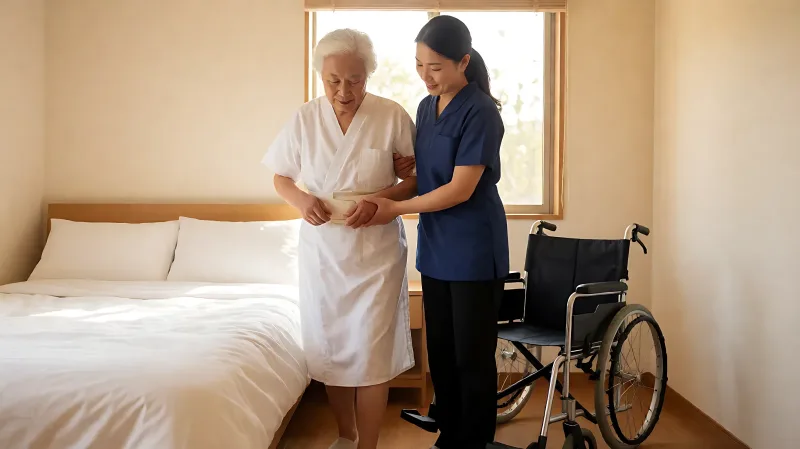
Caring for an aging family member requires more than love; it demands specific technical skills. From safe transfers to medication safety, mastering these basics reduces injury risks and improves quality of life.
Basic caregiving skills focus on safety, dignity, and consistency. To ensure a safe home environment, you must master transfer techniques, proper bath assistance protocols, and strict medication management. These three pillars reduce the risk of falls and adverse health events significantly.
For more information, see NIA caregiving guidance from the National Institute on Aging.
Why do specific training skills matter for home safety?
Caregiving is physically demanding. The Bureau of Labor Statistics identifies nursing assistants and home health aides as having some of the highest workplace injury rates in the U.S. For family caregivers, the risk is often higher due to lack of formal training. Learning proper body mechanics and safety protocols protects both the caregiver and the person receiving care. It transforms good intentions into safe actions.
According to data from Indeed job postings, general caregiving skills appear in over 36% of caregiver job listings. However, specialized skills like safe transfer techniques and dementia care are often underrepresented in basic hiring descriptions. This gap leaves many families uncertain about what they need to learn. A structured approach to skill acquisition fills this void.
What are the core physical safety skills?
Physical safety revolves around preventing falls and injury during movement. Falls are a leading cause of disability among older adults, as noted by the Centers for Disease Control and Prevention. The National Institute on Aging recommends assessing the home for hazards like loose rugs, poor lighting, and cluttered walkways. Beyond environmental changes, physical skills are critical.
How do you perform a safe transfer?
A transfer is moving a person from one surface to another, such as from a bed to a wheelchair. This is a high-risk activity if done incorrectly. You must learn to use gravity, leverage, and proper body positioning. Key techniques include:
- Use of Gait Belts: These sturdy belts loop around the person's waist. They provide a secure grip point for the caregiver, preventing the need to grab underarms, which can damage nerves.
- Body Mechanics: The caregiver should stand close to the patient, keep their back straight, and bend at the knees. Avoid twisting the spine.
- Slide Boards: For patients who cannot weight-bear, a smooth slide board placed between surfaces allows for a controlled slide to a wheelchair.
- Mechanical Lifts: For individuals with limited mobility, a Hoyer or Kelly lift is essential. Training on these devices prevents severe back injuries for caregivers.
Repositioning is equally vital. For bedridden individuals, turning every two to three hours is necessary to prevent pressure ulcers, also known as bedsores. The skin is the body's largest organ and becomes thinner and more fragile with age, making it prone to damage from prolonged pressure.
How should you assist with bathing and personal hygiene?
Bathing is often the most distressing part of care for older adults, as it challenges their sense of independence. Patience and a safe environment are key. There are four main types of bathing: shower, tub bath, partial bath, and bed bath. A partial bath involves washing the face, hands, armpits, perineum, and feet. It is suitable for those who cannot manage a full shower.
When assisting with a bed bath, lower the bed to a safe height that allows your knees to align with the person's knees. This prevents back strain. Always maintain the person's dignity by using a warm towel to cover unaffected areas. Ensure the water temperature is tested with a thermometer or your inner wrist, not your elbow, to prevent burns. The Consumer Product Safety Commission advises that hot water settings should be capped at 120 degrees Fahrenheit to prevent rapid scalding injuries in children and seniors.
What are the key steps for toileting and incontinence care?
Establishing a regular bathroom schedule can help mitigate accidents associated with incontinence. Incontinence is the inability to control urine or bowel elimination. Assistance often involves ambulating to the toilet and using transfer techniques to sit and stand safely. If the individual has difficulty, a bedside commode or high-rise toilet chair can be beneficial. Always clean from front to back to prevent urinary tract infections, which are common in seniors.
What are the critical rules for medication management?
Medication errors are among the most common preventable adverse events in home care. The Institute for Safe Medication Practices identifies these errors as a significant public health problem. Managing medications requires strict adherence to the "Five Rights" principle.
| Right | Description |
|---|---|
| Right Patient | Verify identity using at least two identifiers. |
| Right Medicine | Confirm the medication matches the prescription label. |
| Right Dose | Ensure the amount matches the doctor's orders. |
| Right Route | Administer via the correct method (oral, topical, etc.). |
| Right Time | Give medication at the prescribed intervals. |
Use organized pill boxes or blister packs to prevent missed doses. Never crush pills unless the prescriber explicitly approves it, as many medications have coatings that must remain intact. Keep a written log of all medications, including dates and times administered. This log is crucial for sharing information with healthcare providers.
How do you monitor vital signs and health changes?
Observing health conditions is not just about taking temperatures. It involves establishing a baseline. The American Heart Association recommends regular monitoring of blood pressure, heart rate, and oxygen levels. Sudden changes in mental status, appetite, or mobility can indicate infections or other medical issues. Common infections in seniors include pneumonia, influenza, and skin infections. Be vigilant for signs such as fever, chills, confusion, or unexplained fatigue.
Documentation is part of caregiving. Keeping a simple daily record of meals, hydration, mood, and physical symptoms helps identify trends. If you notice a deviation from the baseline, contact the healthcare team promptly. Early intervention can prevent hospitalizations.
What role does nutrition and feeding play?
Feeding requires planning. Consider special diets, individual likes and dislikes, nutritional values, and health concerns. Chewing and swallowing difficulties may require specific food textures, such as pureed or thickened liquids. The National Institute on Aging suggests that older adults need adequate protein, calcium, and vitamin D to maintain muscle mass and bone health. During mealtime, encourage the individual to feed themselves as much as possible to preserve autonomy. Sit with them and engage in conversation to make the experience positive.
Frequently Asked Questions
How often should I reposition a patient to prevent bedsores?
You should reposition a bedridden patient every two hours. This is standard practice to relieve pressure on the skin. Use pillows or wedges to support the body in a new position. Check the skin during repositioning for signs of redness that does not fade after pressure is removed.
What is a gait belt and when should I use it?
A gait belt is a sturdy loop that goes around the waist of the person being assisted. It provides a secure handhold for the caregiver during transfers or walking. You should use it whenever you are helping someone stand up or walk. Do not use it on individuals who have recent back surgery or specific medical contraindications without consulting a doctor.
How do I manage a caregiver's own physical safety?
Caregiver safety is paramount. Use proper body mechanics by bending at the knees and keeping the back straight. Ask for help when lifting heavy objects. Take regular breaks to avoid fatigue, which leads to errors. Consider investing in assistive devices like slide boards or mechanical lifts if the patient has limited mobility.
What should I do if I notice a fall?
Assess the person for injuries immediately. Check for head trauma, broken limbs, or confusion. Do not move the person if you suspect a neck or back injury unless they are in immediate danger. Call emergency services if there is loss of consciousness or severe pain. Document the fall, including the time, location, and any contributing factors, such as wet floors or improper footwear.