Retirement Guide 2026: Ages, Pensions & Living Options
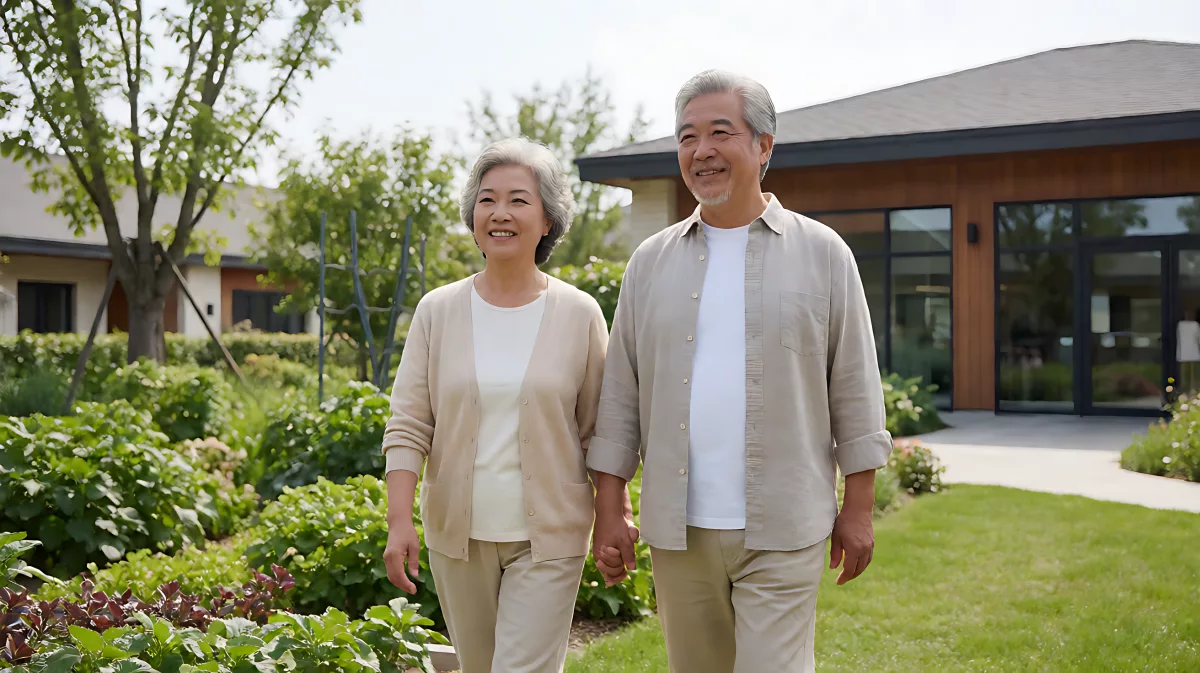
Retirement is evolving with rising ages and diverse living options. This guide covers the shift in pension structures, global age benchmarks, and the growing landscape of specialized senior communities.
Retirement in 2026 is no longer defined by a single exit date, but by a dynamic phase characterized by rising ages, shifting financial structures, and diverse living arrangements. As life expectancy climbs, governments and employers are adjusting pension rules and workplace norms, while millions of individuals explore semi-retirement or community living to maintain independence and social connection.
How Are Retirement Ages Changing in Major Economies?
The concept of a fixed retirement age is rapidly becoming obsolete in favor of flexible frameworks. In the United Kingdom, the state pension age has historically hovered around 65, but recent legislative adjustments are gradually raising the threshold to accommodate longer lifespans. The OECD, which tracks global economic and social data, notes that many nations are phasing in higher eligibility ages to ensure the sustainability of public pension systems. For example, in Germany, the standard retirement age has already reached 67, with early retirement options available for those who have contributed for 45 years or more. In the United States, the Social Security Administration is progressing with its schedule to raise the full retirement age to 67 for most workers, a process that began in the early 2000s and is now largely complete for those born in the late 1970s and beyond.
Why Is the Shift From Pensions to 401(k) Plans Significant?
One of the most profound changes in the retirement landscape is the erosion of the traditional defined-benefit pension model. In the US private sector, access to these stable, employer-guaranteed plans has dropped sharply, with only about 15% of private industry workers retaining such coverage as of recent data. This decline reflects a broader global trend where employers are moving risk to the employee through defined-contribution plans, such as 401(k)s in the US and personal pensions in the UK. Public sector workers remain an exception, with approximately 75% of government employees in the US still participating in traditional pension plans. This structural shift means that individuals are now primarily responsible for managing their own investment risk, making financial literacy and long-term planning more critical than ever.
What Are the Different Types of Retirement Communities?
As the demographic wave of the baby boomer generation peaks, the housing market for older adults has diversified significantly. These communities are no longer just medical facilities; they are lifestyle choices that cater to varying levels of independence and care needs.
- Independent Living Communities: These are age-restricted residences where residents live in private apartments or homes without personal care services. They focus on social engagement and leisure activities, appealing to those who want to maintain autonomy while reducing the burden of home maintenance.
- Assisted Living Facilities: For seniors who require help with daily activities like bathing or medication management, these communities provide residential care in a home-like setting. They often include nursing services and secure entry systems to ensure resident safety.
- Continuing Care Retirement Communities (CCRCs): This model offers a continuum of care, allowing residents to move from independent living to assisted living and finally to skilled nursing care as their health needs change, all within the same community.
- Elder Cohousing: A more collaborative model where individuals own their homes but share a common house and communal spaces, fostering strong social bonds and mutual support.
Geographically, these communities are traditionally clustered in warm climates like Florida, Arizona, and California in the US, but they are increasingly appearing near major urban centers in both the US and Europe. In Canada, organizations like All Seniors Care are expanding their footprint across provinces such as Alberta, Ontario, and Quebec, emphasizing wellness programs that address physical, cognitive, and social well-being. Their BLOSSOM Living initiative, for instance, specifically targets those experiencing cognitive decline, aiming to preserve dignity and individuality through person-centred care.
How Does 'Pre-Retirement' Impact Personal and Financial Planning?
An emerging trend known as pre-retirement is reshaping the final years of a career. Instead of a hard stop, many workers are choosing to semi-retire, reducing their hours or workload to transition gradually into full retirement. This phase allows individuals to balance the financial needs of accumulating savings with the psychological benefits of stepping back from high-pressure roles. However, it also complicates financial planning, as income structures become irregular and the timing of pension eligibility must be carefully aligned with reduced earnings. Employers are beginning to offer more flexible work arrangements in response to this demand, recognizing that retaining experienced talent in a part-time or advisory capacity can be more valuable than a complete departure.
What Challenges Do Lower-Income Retirees Face?
While high-end retirement communities are thriving, a significant gap remains for seniors with limited financial resources. In many countries, including the US, the UK, and Canada, government-subsidized housing for the elderly is scarce and often neglectful of the broader social and recreational needs of residents. The market for luxury and assisted living is largely driven by those with significant assets, leaving a large segment of the population to rely on family support or generic housing. This disparity highlights a policy challenge: how to ensure that the right to a dignified old age, which is enshrined in the constitutions of many Western nations, is accessible to all income levels. Advocacy groups are pushing for more subsidized options that include social services, not just basic shelter.
FAQ
What is the current standard retirement age in the US and UK?
In the US, the full Social Security retirement age is 67 for those born in 1960 or later. In the UK, the State Pension Age is currently 67 and is scheduled to rise to 68 by 2038. Both countries allow earlier retirement with reduced benefits, but the standard full eligibility age reflects the trend toward longer working lives.
Are traditional pensions completely gone in the private sector?
Not completely, but they are rare. In the US private sector, only about 15% of workers have access to defined-benefit plans. Most have shifted to defined-contribution plans like 401(k)s, where the employee bears the investment risk. Public sector workers, however, still largely enjoy traditional pension security.
What is the difference between a retirement community and assisted living?
A retirement community is a broad term for age-restricted housing that may offer no personal care (independent living). Assisted living is a specific type of care facility that provides help with daily activities like bathing and meals. Some retirement communities, like CCRCs, offer a mix of both independent living and assisted care options.
How can I prepare for cognitive decline during retirement?
Preparing involves both financial and lifestyle strategies. Financially, setting aside funds for potential long-term care is crucial. Lifestyle-wise, engaging in community programs that focus on cognitive health, such as those offered by wellness-oriented senior living providers, can help maintain mental sharpness and social connections, which are key factors in cognitive resilience.