Nutrition Essentials for Retirees: Diet Tips & Health
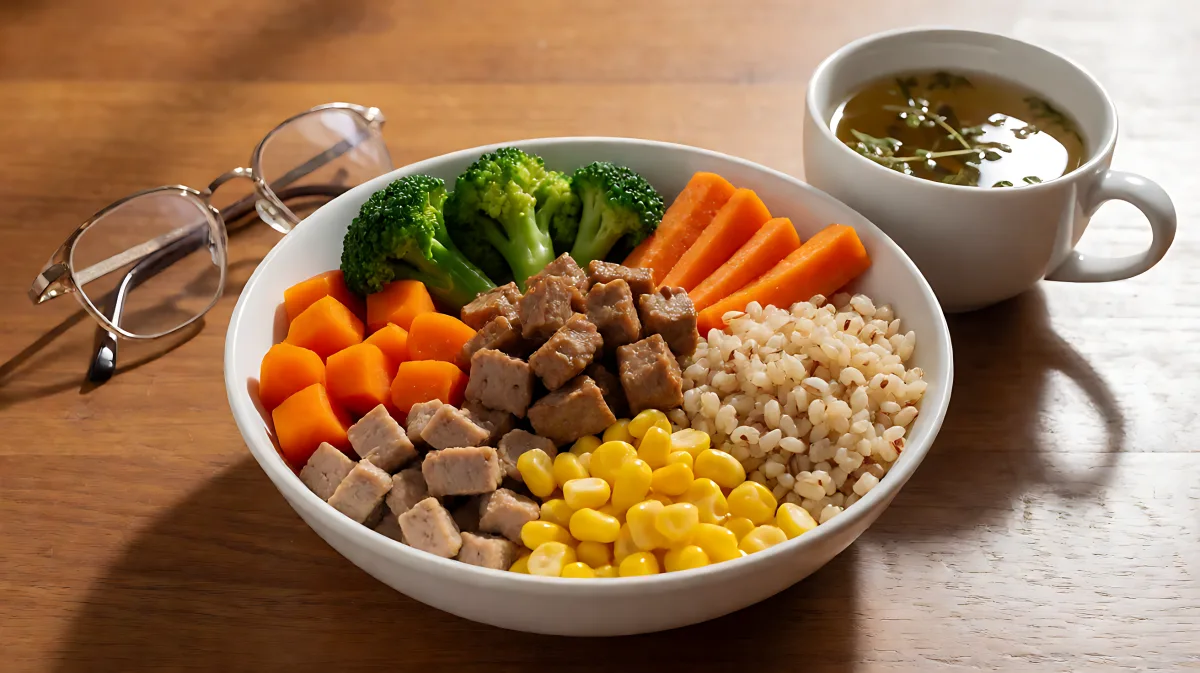
As you enter retirement, your nutritional needs shift. This guide breaks down the key macronutrients and micronutrients essential for maintaining energy, protecting bone density, and supporting cognitive health in your golden years.
Proper nutrition during retirement is not just about avoiding weight gain; it is a strategic tool for maintaining independence, cognitive sharpness, and physical strength. The Department of Agriculture emphasizes that eating 'real food'—whole, unprocessed items—is the cornerstone of health at any age, but the specific requirements for older adults change significantly. By focusing on a balance of essential macronutrients and targeted micronutrients, retirees can actively support their immune systems and reduce the risk of chronic diseases.
How Nutritional Needs Change in Retirement?
The metabolic rate naturally slows down as we age, meaning the body requires fewer calories to perform daily functions. However, the need for specific nutrients often increases. Unlike younger years where the focus might be on building muscle or supporting growth, retirement nutrition is primarily about maintenance and preservation. The World Health Organization notes that malnutrition is a critical global issue, affecting not just children but also older populations who face 'hidden hunger'—a lack of essential vitamins and minerals despite consuming enough calories.
For retirees, this shift means that quality matters more than quantity. A plate that is calorie-dense but nutrient-poor, such as one filled with processed snacks or excessive refined sugars, can accelerate the onset of conditions like type 2 diabetes and cardiovascular disease. Instead, the focus must shift toward nutrient density. This involves choosing foods that provide a high volume of essential minerals and vitamins per calorie, ensuring that the body has the raw materials it needs to repair tissues and regulate hormones without adding unnecessary metabolic strain.
Which Macronutrients Are Critical for Senior Energy?
Macronutrients—carbohydrates, lipids, and proteins—remain the fuel source for your body. In retirement, the management of these three groups requires a nuanced approach to support both energy levels and joint health.
- Proteins: This is perhaps the most critical concern for retirees. Sarcopenia, the natural loss of muscle mass and strength, begins as early as age 30 but accelerates significantly after 60. Adequate protein intake is vital to counteract this loss. Lean meats, fish, eggs, and plant-based sources like legumes and tofu are essential. Protein helps maintain the muscle strength required for balance, which is crucial for preventing falls, a leading cause of injury in older adults.
- Healthy Fats (Lipids): While total fat intake should be moderated to support heart health, eliminating fats is counterproductive. The brain requires fats to function optimally. Sources of unsaturated fats, such as avocados, nuts, and olive oil, support cognitive health and help absorb fat-soluble vitamins. Saturated fats should be limited to reduce the risk of atherosclerosis.
- Complex Carbohydrates: Instead of simple sugars that cause rapid blood glucose spikes, retirees should rely on whole grains, fruits, and vegetables. These provide sustained energy and fiber. Fiber is vital for digestive health and helps regulate cholesterol levels. The USDA's 'Eat Real Food' guidance encourages minimizing ultra-processed items, which are often high in hidden sugars and salts.
What Micronutrients Should Retirees Prioritize?
Micronutrients are vitamins and minerals that act as the body's fine-tuners. While needed in small amounts, a deficiency in any one of these can lead to significant health issues. For those in their retirement years, four specific micronutrients deserve particular attention.
Why Is Vitamin D and Calcium Essential?
Bone density decreases with age, making falls more likely to result in fractures. Vitamin D is required for the body to absorb calcium. Since the skin becomes less efficient at producing Vitamin D from sunlight as we age, and many retirees spend less time outdoors, monitoring levels and ensuring adequate intake through diet or supplementation is crucial. Foods like fatty fish, fortified dairy products, and eggs are good sources, but many older adults require supplements to meet the recommended daily allowance.
How Does Iron Affect Seniors?
Iron is necessary for producing hemoglobin, which carries oxygen throughout the body. While menopause often increases iron needs in middle age, the dynamics change in full retirement. Some post-menopausal women may no longer need high iron intake unless they have a deficiency, but older men may also experience low iron levels due to digestive changes. However, excess iron can be toxic, so it is important to get levels checked before supplementing. Natural sources include lean red meats and legumes, but absorption can decrease with age.
What Role Does Potassium Play?
Potassium works against sodium to regulate blood pressure. The World Health Organization reports that most people consume far too much salt—averaging 9 to 12 grams per day compared to the recommended maximum of 5 grams. Excess sodium raises blood pressure, straining the heart. Increasing potassium intake through foods like bananas, potatoes, spinach, and yogurt can help neutralize the effects of sodium, supporting cardiovascular health and kidney function.
How Can Retirees Combat Malnutrition?
Malnutrition in older adults is not just about starvation; it is often about 'dietary inadequacy.' The dual burden of malnutrition includes both undernutrition and obesity. According to recent global estimates from the World Health Organization, millions of adults are overweight or obese, yet many also suffer from specific nutrient deficits. This 'obese-malnourished' state is common in retirees who have limited mobility, social isolation, or difficulty chewing and swallowing foods.
Retirees can combat this by prioritizing meal frequency and variety. Smaller, more frequent meals may be easier to digest and ensure that nutrient needs are met throughout the day. Social dining is also a powerful tool; eating with friends or community groups can combat the isolation that often leads to poor food choices. The USDA’s FoodData Central database, which contains nutrient composition data for over 400,000 foods, is a useful resource for home cooks looking to check the nutritional value of their ingredients without guessing.
Does Nutrition Impact Cognitive Health?
Emerging research strongly links diet to brain health. The Mediterranean diet, rich in vegetables, whole grains, fish, and olive oil, has been associated with a reduced risk of dementia and Alzheimer's disease. Antioxidants found in berries and leafy greens protect brain cells from oxidative stress. Furthermore, adequate hydration is often overlooked; even mild dehydration can impair cognitive function and increase confusion in older adults. Drinking water consistently, rather than relying on coffee or alcohol, supports clear thinking and mental acuity.
Frequently Asked Questions About Retirement Nutrition
Do I need a multivitamin in retirement?
Many retirees take daily multivitamins to cover potential gaps, but they should not be viewed as a substitute for a healthy diet. It is best to consult with a healthcare provider to check for specific deficiencies before starting supplementation. High-dose supplements can sometimes interact with medications or cause toxicity, so personalized advice is recommended.
How much protein should a retiree eat daily?
General recommendations for older adults often suggest slightly higher protein intake than younger adults to prevent muscle loss. A common guideline is to aim for 1 to 1.2 grams of protein per kilogram of body weight per day. Distributing this intake evenly across breakfast, lunch, and dinner helps the body synthesize protein more effectively than consuming it all in one meal.
What foods help prevent constipation in older age?
Constipation is common in retirement due to slower digestion and reduced physical activity. A diet high in fiber is the primary remedy. Include soluble and insoluble fiber from sources like oats, beans, apples, and leafy greens. Additionally, staying well-hydrated with water is essential, as fiber needs water to move through the digestive system effectively.