Protecting Retirement Savings from Inflation: A Boglehead's Guide
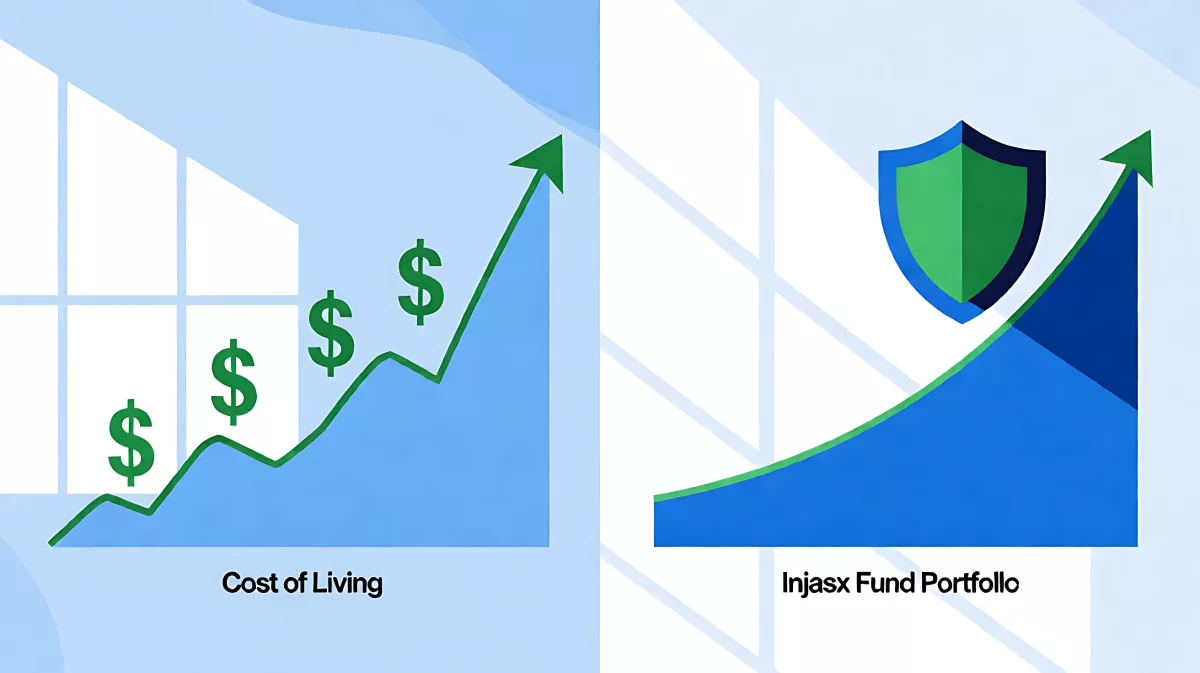
Inflation is the silent thief that erodes the value of your retirement nest egg. This guide explains how passive investors can adjust their asset allocation and withdrawal strategies to maintain purchasing power.
Inflation acts as a silent erosion on your purchasing power, meaning your savings buy less each year if not invested properly. To protect your retirement wealth as a passive investor, you must align your asset allocation with inflation-resistant growth and adjust your withdrawal strategies. This approach ensures your portfolio outpaces rising prices without abandoning the low-cost, index-based principles of Boglehead investing.
Why Inflation Threatens Your Retirement Savings
Many retirees and pre-retirees underestimate the compounding effect of inflation on their expenses. Even a moderate annual inflation rate of 3% can double the cost of living every 23 years. If your portfolio grows slower than the inflation rate, you are effectively losing money in real terms, despite seeing a nominal increase in your account balance. For US and UK readers, this means that holding too much in cash or short-term bonds can be dangerous. While these assets provide safety, they often fail to keep pace with long-term price increases, threatening your ability to fund a retirement that may last 20 to 30 years.
How Does Inflation Affect Fixed Income Portfolios?
Fixed-income investors face a unique challenge: when interest rates rise to combat inflation, bond prices fall. If you hold a significant portion of your portfolio in long-duration bonds, you may see your asset value drop during high-inflation periods. According to recent analyses from Fidelity, maintaining a balanced approach is critical. While Treasury bonds and certificates of deposit provide predictable income and diversification, they are not immune to market fluctuations. For example, a retiree holding only cash or short-term savings may find their real return negative after accounting for the annual increase in the Consumer Price Index.
Five Strategies to Hedge Against Rising Prices
Passive investors do not need to abandon their principles to beat inflation. Instead, they should optimize their existing strategy. The following five approaches help maintain the integrity of your portfolio while protecting your buying power.
1. Review Your Asset Allocation Aggressively
As you transition into retirement, your risk tolerance should naturally decrease, but not to the point of losing to inflation. Financial advisors like those at Charles Schwab recommend age-based adjustments. For individuals aged 60 to 69, a allocation of 60% stocks, 35% bonds, and 5% cash is often suggested. For those in their 70s and 80s, the equity portion may drop to 50%, with an increase in bonds and cash. However, this split is not one-size-fits-all. If inflation is high, you may need to remain in equities longer to capture growth that outpaces price increases. Stocks have historically been the primary hedge against long-term inflation.
2. Stress-Test Your Financial Plan
Before retiring, you must simulate how your portfolio would withstand various economic shocks. Jaime Eckels, a financial planner at Plante Moran Financial Advisors, emphasizes the importance of stress-testing. This involves modeling scenarios such as a market crash combined with high inflation. If your plan breaks under these conditions, you know where to adjust. Stress-testing provides peace of mind and ensures that your withdrawal strategy is robust. It helps you avoid the panic of selling during a downturn, a common mistake that can derail a retirement.
3. Avoid Panic Selling During Market Downturns
Recency bias often leads investors to react to the most recent negative news, such as high inflation or market volatility. However, history shows that selling during a dip and buying later rarely beats the cost of staying invested. During the global financial crisis, investors who stuck to their plans and continued contributing recovered their losses significantly faster than those who moved to cash. For the Boglehead, discipline is key. If you sell your equity holdings when prices are down, you lock in your losses and miss the subsequent rebound. The goal is to stay the course and let the long-term upward trend of the market work in your favor.
4. Build a Substantial Cash Reserve
While cash lags behind inflation in the long run, it serves as a vital safety net in the short term. Holding enough cash to cover one to two years of living expenses prevents you from selling investments at the worst possible time. This is especially important if you are in the early years of retirement, when a market downturn has the greatest impact on your portfolio's ability to last. Establishing a large emergency fund or holding a portion of your portfolio in cash allows you to wait out volatility without dipping into your long-term assets. This buffer protects your nest egg from forced sales during economic uncertainty.
5. Consider Delaying Retirement If Necessary
If your savings have been eroded by inflation and you are not on track to hit your target, delaying your retirement date can be a powerful tool. Just three additional years of work allows your investments to grow compoundingly while you contribute more. This extra time also extends your income phase, reducing the total number of years your portfolio must support you. As noted by financial experts, delaying retirement has a massive positive effect on your financial security. It allows your portfolio to recover from any prior downturns and increases your total lifetime savings, making your retirement more resilient to economic shifts.
Adjusting Your Withdrawal Strategy
The traditional 4% rule is a useful starting point, but it is not a fixed standard. Inflation-adjusted withdrawals may require flexibility. Some dynamic strategies adjust your annual spending based on the portfolio's current value and market conditions. This method helps prevent depleting your funds too quickly during high-inflation years. If the market performs well, you can withdraw more; if it struggles, you can withdraw less. This flexibility protects your principal and ensures your income keeps pace with your actual expenses. Discussing these options with a fee-only fiduciary advisor can help you tailor the strategy to your specific goals.
Frequently Asked Questions
Do index funds protect against inflation?
Yes, broad-market index funds have historically outpaced inflation over the long term. While individual years may show negative real returns, the equity risk premium provides the growth necessary to beat rising prices. Holding a total market index fund is a core component of a passive strategy that hedges against inflation erosion.
Should I hold more bonds or stocks to beat inflation?
Stocks are generally a better long-term hedge against inflation than bonds. However, a balanced portfolio including both is essential for risk management. As you age, you may shift to more bonds for stability, but maintaining a significant equity allocation is crucial to ensuring your portfolio grows faster than the Consumer Price Index.
How much cash should I keep in my retirement portfolio?
A common guideline is to hold enough cash to cover one to two years of expenses. This reserve prevents forced selling during market downturns. While cash loses value to inflation over time, it serves as a tactical shield that allows you to wait for market recovery without disrupting your long-term investment plan.
Can I use a bond ladder to combat inflation?
A bond ladder can provide steady income and reduce interest rate risk, but it does not typically offer the growth potential needed to beat high inflation. It is best used as part of a diversified portfolio alongside equities. For the Boglehead, simplicity is key, so a balanced mix of low-cost index funds often outperforms complex strategies like laddering during high-growth periods.