Medicare Part D Deductibles and Out-of-Pocket Limits Explained
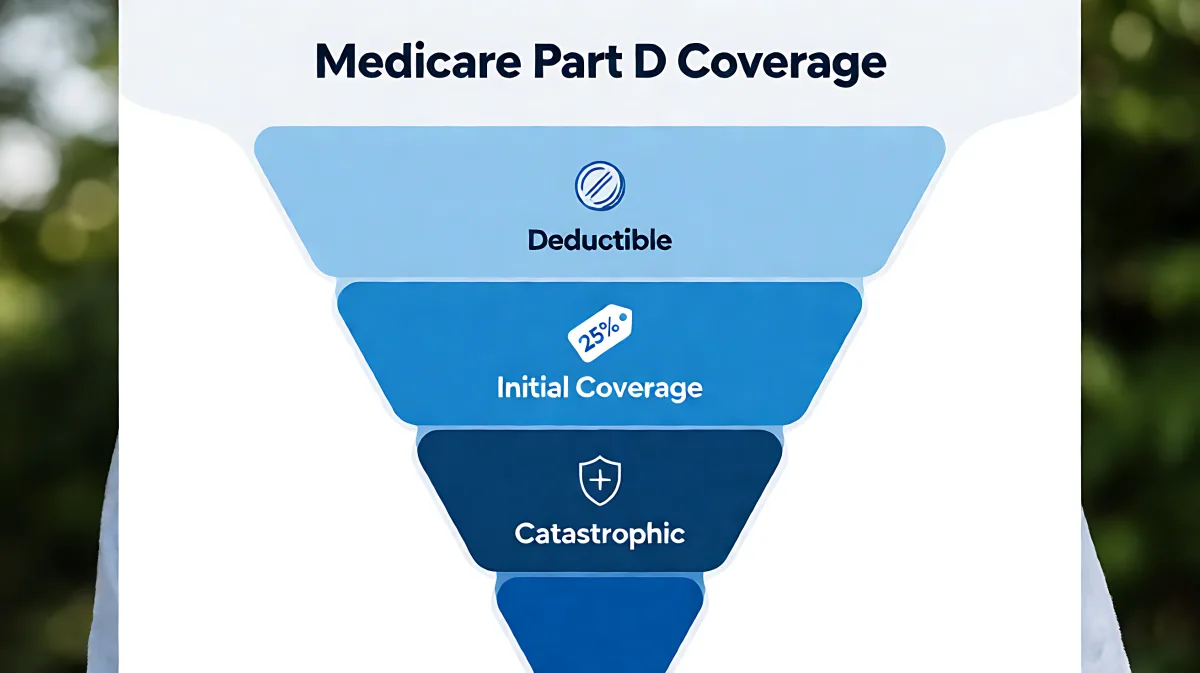
Medicare Part D costs vary by plan, but federal rules cap deductibles at $615 in 2026. Learn how the coverage stages work and how to lower your prescription expenses.
For 2026, Medicare drug plan deductibles are capped at $615, and beneficiaries reach catastrophic coverage once out-of-pocket costs hit $2,100. These federal limits help protect enrollees from excessive prescription expenses. However, specific premiums and copayments vary by plan, making it essential to compare options during open enrollment to manage annual costs effectively.
What are the key cost components of Medicare Part D?
Medicare Part D, the prescription drug benefit launched in 2006, is managed by private insurance companies approved by the Centers for Medicare and Medicaid Services (CMS). While the government subsidizes a portion of the cost, beneficiaries are responsible for several specific fees. These costs are not one-size-fits-all; they depend heavily on the specific plan selected and individual income levels.
How do premiums and deductibles work?
The monthly premium is the base cost of your plan, which you pay whether or not you use the drug benefit. For 2026, CMS sets the maximum allowable deductible at $615. Many plans, however, offer zero-deductible options, which can be advantageous for those who do not fill many prescriptions but want to avoid the late enrollment penalty. Additionally, higher-income individuals may face an Income-Related Monthly Adjustment (IRMA) that increases their premium.
What is the difference between copays and coinsurance?
- Copayment: A fixed dollar amount paid for each prescription (e.g., $5 per script).
- Coinsurance: A percentage of the drug's cost that you pay (e.g., 25% in the initial coverage stage).
It is crucial to understand how these apply if you do not receive a full month's supply of medication, as costs may be prorated based on the days covered.
How do the three coverage stages function?
Most standard Medicare drug plans operate in three distinct phases during the calendar year. Understanding these phases helps predict your financial liability.
What happens in the deductible stage?
If your plan has a deductible, you must pay 100% of covered drug costs until that amount is reached. For 2026, this threshold cannot exceed $615. Once you pass this point, you move into the initial coverage phase. Plans without a deductible skip this stage, moving you directly into initial coverage.
What defines the initial coverage stage?
In this phase, you typically pay a coinsurance rate, such as 25%, for both generic and brand-name drugs. The plan pays the remainder. This stage ends when your total out-of-pocket spending on covered drugs reaches $2,100 in 2026. This amount includes certain payments made on your behalf, such as through the Extra Help program. This limit is scheduled to rise to $2,400 in 2027.
How does catastrophic coverage protect beneficiaries?
Once you reach the initial coverage limit, you enter the catastrophic stage. During this period, you no longer pay coinsurance or copayments for covered Part D drugs for the rest of the year. This "catastrophic" threshold is designed to limit maximum annual risk for those with high medication needs. In previous years, this phase included the "doughnut hole," but legislation such as the Affordable Care Act closed this gap for beneficiaries through manufacturer discounts.
How can you lower your out-of-pocket drug costs?
Beyond choosing a plan with a low premium, several assistance programs can significantly reduce your financial burden. These resources are often underutilized but can save thousands of dollars annually.
What financial assistance programs are available?
- Extra Help: A federal program for low-income individuals that helps pay premiums, deductibles, and coinsurance. Automatic qualification applies to those receiving Medicaid, Supplemental Security Income, or specific Medicare Savings Programs.
- State Pharmaceutical Assistance Programs (SPAP): State-run programs that help pay drug plan premiums or cost-sharing. Contributions to SPAPs may count toward your federal out-of-pocket limit.
- Manufacturer Assistance: Many pharmaceutical companies offer Patient Assistance Programs (PAPs) for uninsured or underinsured patients. These programs are voluntary and have varying eligibility requirements.
What is the new Prescription Payment Plan?
Medicare has introduced a new tool that allows beneficiaries to spread their out-of-pocket drug costs evenly across the calendar year. This option is particularly helpful for those facing large quarterly bills. However, it is important to note that this plan does not reduce total annual costs; it merely smooths cash flow. It works alongside existing coverage and does not replace it.
What should you do if you delay enrollment?
If you go 63 days or more without creditable prescription drug coverage after your Initial Enrollment Period, you may incur a late enrollment penalty. This penalty is 1% of the national base premium for each month of the gap. It is permanently added to your premium for as long as you maintain Part D coverage. Therefore, even if you currently take few medications, securing a plan can protect your future finances.
How do you track your spending and coverage stage?
Each month, your plan sends an Explanation of Benefits (EOB). This document details which prescriptions were filled, what the plan paid, and your cumulative out-of-pocket total. It clearly indicates which coverage stage you are in, ensuring you are not surprised when your cost-sharing changes at the start of a new phase.
Frequently Asked Questions
Does the $2,100 out-of-pocket limit include premiums?
No. The $2,100 limit for 2026 applies only to out-of-pocket costs for covered prescriptions, such as deductibles, copayments, and coinsurance. Monthly premiums, late enrollment penalties, and IRMA amounts are not counted toward this threshold.
Can I switch my Medicare drug plan if my needs change?
Yes, you can switch plans during the Annual Open Enrollment Period from October 15 to December 7. Your new plan will take effect on January 1. There are also limited windows for changing plans if you move to a new service area or lose other coverage.
What is the impact of the Medicare Prescription Payment Plan on my savings?
The payment plan does not save you money or lower the total amount you pay annually. It simply changes the timing of your payments, allowing you to pay a fixed amount each month rather than potentially large lump sums when you fill prescriptions. This can aid in budgeting but does not alter the total cost of your care.