Retirement Social Anxiety: How to Reintegrate
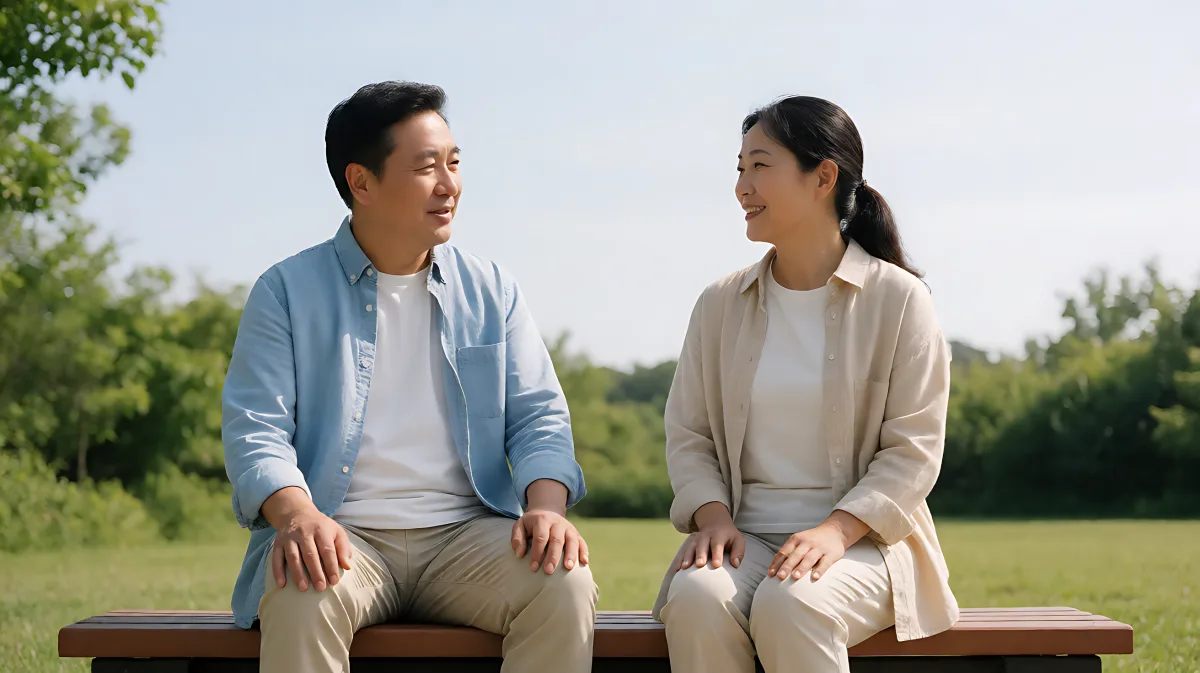
Retirement can disrupt your sense of identity and social rhythm, leading to anxiety. This guide offers practical, expert-backed steps to rebuild connections and find stability in your new phase of life.
Retirement can trigger social anxiety by removing the daily structure and workplace connections that define professional life. To manage this, experts recommend establishing a new routine, joining small-group activities, and practicing cognitive behavioral techniques to reduce fear of social judgment.
Why Does Retirement Trigger Social Anxiety?
For decades, your job provides a built-in social network and a sense of purpose. When that stops, the sudden quiet can feel isolating. The World Health Organization defines mental health as a state of well-being where individuals can cope with life's normal stresses. For many retirees, the loss of professional identity creates a void that leads to heightened sensitivity in social settings. You may worry that others will find you boring or irrelevant, a feeling often referred to as social reintegration anxiety.
What Role Does Identity Play in This Anxiety?
Your professional title often becomes part of your self-concept. Once you step away from it, you might feel you have nothing to contribute to conversations. This perceived loss of competence and autonomy can make social interactions feel high-stakes rather than low-risk. Recognizing that your value extends beyond your career is a crucial first step in rebuilding confidence.
How Can You Rebuild Your Social Confidence?
Reintegration does not have to be a leap; it can be a series of small, manageable steps. The key is to move from passive isolation to active, structured engagement.
What Are the Best Low-Pressure Social Activities?
- Volunteer Organizations: Local nonprofits often need help, and working alongside others in a purposeful environment reduces the pressure of small talk.
- Interest-Based Groups: Joining book clubs, hiking groups, or art classes focuses conversation on the topic rather than personal history.
- Mentorship Programs: Older adults can share their decades of experience with younger professionals, flipping the dynamic and boosting self-efficacy.
How Do Cognitive Behavioral Techniques Help?
Cognitive behavioral therapy (CBT) strategies help you identify and challenge irrational fears. For instance, if you believe, "Everyone will think I am old and out of touch," you can counter this by observing that most people are focused on their own lives. Practicing these reframe exercises can lower the physical symptoms of anxiety, such as rapid heartbeat or sweating, when you enter a room.
What Practical Steps Should You Take This Month?
Start with a "social budget." Aim for three low-intensity interactions per week. This could be a brief chat with a neighbor, a phone call to a distant cousin, or a short meeting with a new acquaintance. As you complete these tasks, track your actual outcome versus your predicted anxiety. You will likely find that the discomfort fades faster than you fear it will.
How Do You Handle Awkward Silences?
Silence is natural in any conversation, even among close friends. Retirees often fixate on filling every gap, which increases anxiety. Instead, accept silence as part of the rhythm. If a pause occurs, simply wait. The other person will likely continue the conversation, or you can introduce a new topic naturally. This reduces the mental load of having to perform constantly.
When Should You Seek Professional Support?
While mild anxiety is normal during life transitions, persistent fear that interferes with your daily life requires professional help. If you are avoiding public places, canceling plans last minute, or experiencing panic attacks, consult a mental health professional. Many therapists now offer specialized services for life transitions. Additionally, local health services in the UK and US often provide community groups specifically designed for older adults experiencing loneliness or social withdrawal. These resources are vital for creating a support network that extends beyond just one-on-one therapy.
Are There Specific Resources for Older Adults?
Yes. Organizations such as Age UK in the United Kingdom and the American Senior Community in the United States offer peer support networks and counseling services. These groups understand the unique challenges of aging and can provide camaraderie from people who have navigated similar anxieties. Connecting with these communities can normalize your feelings and provide practical tips from those who have succeeded in their own reintegration.
FAQ
Is social anxiety after retirement normal?
Yes, it is quite common. The loss of workplace social structures and the shift in identity can trigger anxiety for many retirees. It is a temporary phase that usually improves with deliberate social engagement and mindset shifts.
How long does it take to feel comfortable again?
It varies by individual, but most people report significant improvement within three to six months of consistent, low-pressure social activity. Consistency is more important than intensity when rebuilding confidence.
Can I overcome social reintegration anxiety without therapy?
Mild cases can be managed through self-help strategies, such as cognitive reframing and gradual exposure. However, if anxiety is severe or persistent, professional therapy is recommended to address deeper patterns and prevent long-term isolation.