Inheritance Tax and Elder Care Costs: A Wealth Guide
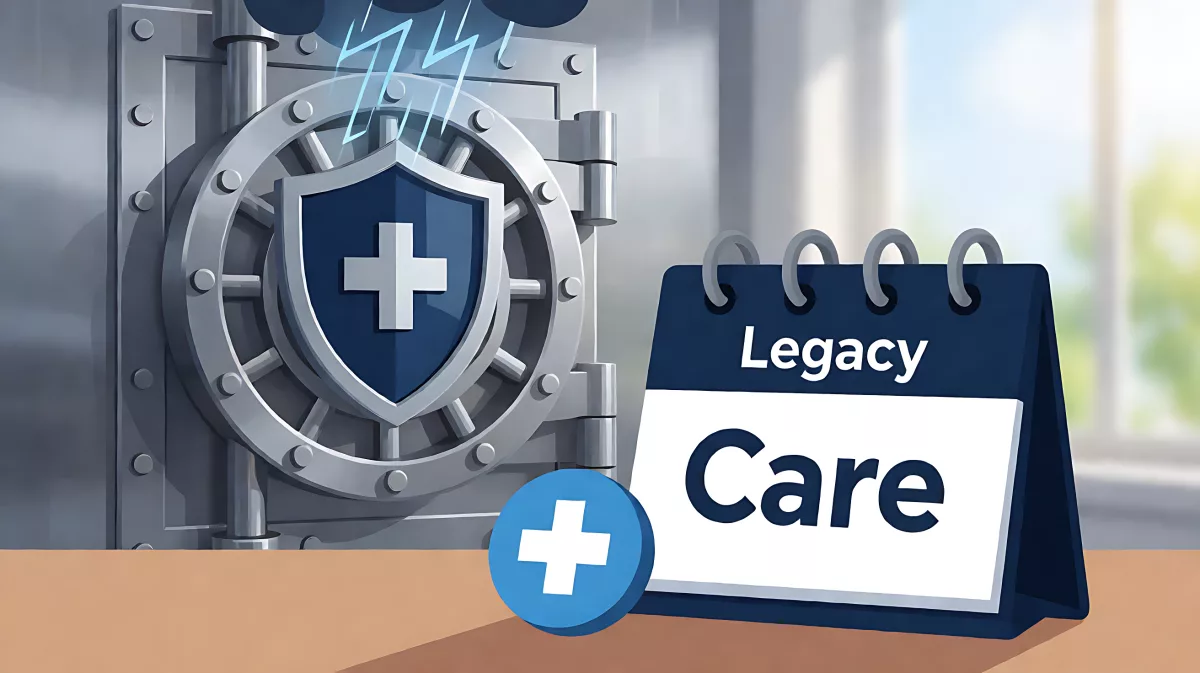
Inheritance tax and elder care expenses are top concerns for high-net-worth families. This guide explains how life insurance in trusts and strategic budgeting can protect your legacy and cover rising care bills.
Inheritance tax and elder care costs are two of the most significant financial hurdles for families in the US and UK. To mitigate inheritance tax liabilities, experts recommend structuring life insurance policies in trust to provide immediate liquidity for heirs. Meanwhile, funding for long-term care often requires dedicated estate provisions, as costs for nursing homes and assisted living continue to rise, potentially depleting savings if not planned for in advance.
Why Inheritance Tax Is a Top Wealth Concern
For high-net-worth individuals, particularly in the UK, inheritance tax (IHT) remains the primary financial worry when planning for the next generation. According to RBC Wealth Management, IHT is currently the number one concern for wealthy British citizens looking to protect their wealth. The complexity increases because, from April 2027, defined pension contributions will be included within a person’s estate for IHT purposes. This regulatory shift is likely to push many estates over the £2 million threshold, where the additional residence nil-rate band for passing down the family home begins to be lost.
The Institute of Fiscal Studies forecasts that by the 2032–2033 tax year, approximately 12% of people in the UK will have inheritance tax due upon their death or the death of their spouse or civil partner. Without proper planning, up to 40% of an estate’s value above the tax-free threshold of £325,000 can be payable to HM Revenue and Customs. For significant estates, this amount can reach millions of pounds, forcing beneficiaries to sell assets quickly to cover the bill, thereby breaking up the estate's integrity.
How Life Insurance Can Protect Your Estate
A strategic approach to managing inheritance tax involves using whole-of-life insurance not just as a safety net, but as an investment tool. When a policy is set up in trust, the proceeds are kept outside the estate for tax purposes. This structure allows beneficiaries to use the insurance payout immediately to pay the IHT bill without needing to liquidate other assets or take on debt.
William Sheard, a director at RBC Wealth Management, notes that life insurance can be viewed as an alternative asset. Once premiums are paid, the policy is guaranteed to provide a return upon death. For example, a calculation by RBC Wealth Management shows that for a joint-life, second-death policy covering a £10 million IHT liability, the annual premium might be around £156,888 for two individuals aged 64. An analysis suggests that investing these premiums at a 5% annual return would only match the insurance payout if the investors lived to age 101. For most, the insurance policy provides a more predictable and tax-efficient method to preserve wealth.
| Strategy | Benefit | Consideration |
|---|---|---|
| Life Insurance in Trust | Provides IHT-free liquidity to pay tax bills | Premiums can be high; must be in a discretionary trust |
| Investing Premiums | Potential for higher returns over very long periods | Subject to market risk and IHT on the investment gains |
| Asset Gifting | Reduces estate value over time | Requires careful timing to avoid being considered a 'potentially exempt transfer' |
Estimating the Cost of Elder Care
While inheritance tax focuses on the exit, elder care costs focus on the duration of life. For the "sandwich generation"—those caring for aging parents while raising children—these costs can be financially devastating. Wealth managers like Populus Wealth emphasize that elder care planning is a distinct pillar of financial advice, separate from standard investment growth. It involves reviewing insurance policies, including long-term care riders, and ensuring there is dedicated liquidity to cover care home fees, which often far exceed standard retirement income.
In the US, Markel and other insurers note that healthcare risk and liability are growing sectors, but the personal cost of care remains a private burden. Families must account for the fact that medical insurance often does not cover residential care. Therefore, a robust wealth plan must include a specific fund for elder care, separate from the assets meant for inheritance. This prevents the care costs from depleting the estate that was intended to be passed down to heirs.
Creating a Multi-Generational Financial Roadmap
Effective wealth management in 2026 requires a holistic view that integrates legacy building with personal financial health. For families in the UK and US, this means looking at the entire lifecycle of money. It starts with investment planning to grow wealth, moves to tax planning to minimize liabilities, and ends with estate planning to ensure smooth transfer.
Key steps include titling assets correctly, selecting beneficiaries wisely, and preparing heirs to manage wealth. Organizations specializing in multi-generational wealth advise that parents should coach their children on financial literacy. This ensures that when the inheritance is received, the heirs understand the value and the responsibilities attached to it. By combining life insurance for tax liquidity with dedicated care funds, families can secure their loved ones and their legacy.
Strategic Gifting and Tax Efficiency
Beyond insurance, ongoing management of inheritance tax involves gifting strategies. In the US, utilizing annual exclusion limits allows individuals to transfer wealth tax-free. In the UK, potentially exempt transfers can reduce estate value if the donor survives seven years after the gift. However, these strategies must be balanced against the need for personal income and capital during the donor's lifetime. Wealth managers often recommend a mix of spending, gifting, and investing in IHT-efficient assets to manage the bill on an ongoing basis.
It is also crucial to consider the impact of interest rates and inflation on both insurance premiums and care costs. As the interest environment shifts, the value of future liabilities changes. Regular reviews of the estate plan are necessary to ensure that the insurance coverage still matches the anticipated IHT bill and that the care fund remains adequate.
Frequently Asked Questions
Is life insurance proceeds subject to inheritance tax if I die?
If the policy is owned by you personally, the proceeds are typically added to your estate and may be subject to inheritance tax. However, if the policy is written into a trust (such as a discretionary trust), the proceeds are generally kept outside your estate for IHT purposes, allowing beneficiaries to use the money to pay the tax bill without increasing the estate's value.
How much should I set aside for elder care costs?
There is no single figure, as costs vary by location and level of care. However, financial advisors often recommend having a dedicated liquid asset pool or a long-term care insurance policy that covers the expected gap between your income and the costs of assisted living or nursing home facilities. In the UK, local council asset thresholds apply, while in the US, private care facilities can cost $5,000 to $10,000 per month, requiring substantial saved capital.
Can I use my pension to pay inheritance tax?
In the UK, as of April 2027, defined pension contributions are expected to be included in your estate for inheritance tax calculations. This means the value of your pension will likely count toward your estate, potentially pushing you over the £2 million threshold where tax rates increase or allowances are lost. Consult a specialist to model the impact of this change on your specific estate.
What is the difference between a whole-of-life policy and term insurance for IHT?
Whole-of-life insurance pays out whenever the insured person dies, making it the preferred tool for inheritance tax planning because it guarantees liquidity for the estate. Term insurance only pays out if death occurs within a specific period, which may not align with the timing of the IHT liability, making it less reliable for protecting the estate from tax charges.