Safe and Dignified Bathing for Elderly Parents: 2024 Guide
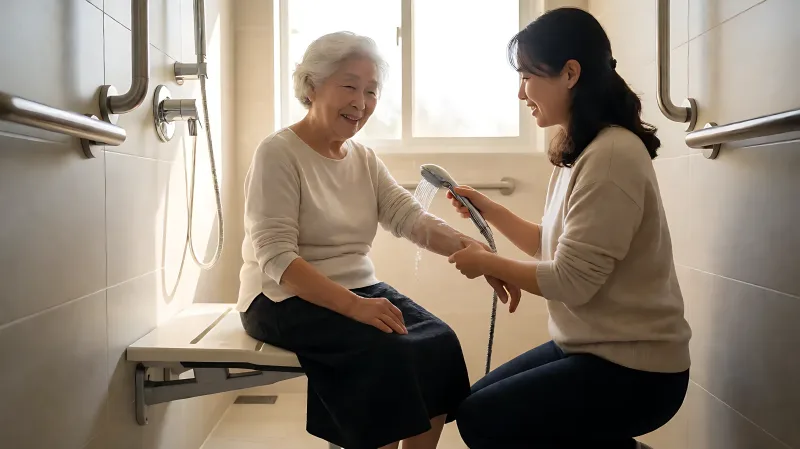
Bathing an aging parent is a delicate balance of safety and respect. This guide covers essential bathroom modifications, techniques to preserve independence, and compassionate approaches to managing resistance or dementia-related refusal.
Helping an elderly parent bathe requires balancing physical safety with psychological comfort. The goal is to create a secure environment that minimizes fall risks while preserving the parent’s sense of autonomy and privacy. This involves adjusting the bathroom setup, adapting communication styles, and offering flexible hygiene routines that respect the individual’s preferences and physical limitations.
Why is dignity so important during bathing?
Bathing touches on deep-seated issues of privacy and self-worth. For many older adults, the loss of independence in such an intimate task can feel like a major blow to their identity. Approach the process with calmness and matter-of-factness. Avoid apologetic language that highlights the parent’s vulnerability. Instead, treat the assistance as routine care. By narrating your actions simply and keeping the parent covered as much as possible, you reduce shame and allow them to feel respected rather than infantilized. The objective is to support them in doing as much as they can, stepping in only when necessary.
How should you prepare the bathroom for safety?
The bathroom is one of the most hazardous rooms in the home for seniors due to slippery surfaces. Before beginning, you must audit the space for fall risks. According to guidelines from the National Institute on Aging, physical modifications are the first line of defense. Focus on these key elements:
- Grab Bars: Install bars mounted into wall studs, not just the drywall. A towel ring will not support weight. Place them near the shower entrance and inside the stall.
- Seated Support: Use a sturdy shower chair or bench. Sitting down eliminates the fatigue and balance loss associated with standing for long periods.
- Non-Slip Surfaces: Apply anti-slip strips inside the tub or shower and place a textured mat on the floor outside to catch water.
- Handheld Showerhead: This allows water to be directed to specific areas without the parent needing to twist or reach, reducing strain.
What is the correct water temperature?
Older skin is thinner and more fragile, making it susceptible to scald burns that go unnoticed due to reduced sensation. The American Red Cross recommends setting the home water heater to no higher than 49°C (120°F) to prevent dangerous burns. When testing the bath water, aim for approximately 38°C (100°F). Always check the temperature with your hand or a thermometer before the parent enters the water. Do not rely on their feedback if they have sensory deficits.
How often should an elderly parent bathe?
Less is often more. Medical experts suggest that a full shower or bath two to three times a week is sufficient for most seniors. Daily scrubbing with hot water and soap can strip natural oils, leading to cracked, itchy skin and increased infection risk. Between full baths, perform a quick wipe-down of the face, underarms, and groin. For those who are incontinent, prompt cleaning after accidents is essential to prevent skin breakdown, which overrides the general frequency advice.
What if your parent refuses to bathe?
Refusal is common, especially with dementia or anxiety, and is rarely about stubbornness. It usually stems from fear of falling, feeling cold, embarrassment, or sensory overload from loud water or bright lights. Do not engage in a power struggle, as this creates lasting resistance. Instead, investigate the underlying cause. If the issue is sensory, lower the shower pressure and reduce noise. If it is embarrassment, offer a sponge bath at the kitchen sink using no-rinse cleansers. This method is gentler, keeps the parent seated, and maintains hygiene without the exposure of a full shower.
How can you handle dementia-related bathing resistance?
The Family Caregiver Alliance advises that individuals with dementia often believe they have already bathed or may find the act itself threatening. To manage this, establish a consistent routine at the same time of day to build predictability. Use redirection techniques, such as offering a favorite snack or playing soothing music. If your parent used to prefer a bath, do not force a shower, and vice versa. Collaborate with a home health aide if your parent accepts professional care more readily than family help. This is a valid and often effective strategy, not a failure of family care.
What skin care habits should be adopted?
Shorten shower times to five to ten minutes to prevent skin drying. Use mild, fragrance-free, moisturizing soaps rather than harsh deodorant bars. After washing, pat the skin dry with a towel instead of rubbing. Apply moisturizer immediately while the skin is still damp to lock in hydration. Use the bathing process to inspect the skin for bruises, redness, or sores, particularly in folds or pressure points. Report any non-healing issues to a healthcare provider promptly.
Frequently Asked Questions
How do I keep my parent clean without a full shower? Use a sponge bath at the sink. Have your parent sit in a stable chair and use no-rinse wipes or foam cleansers. Cover the body with a towel, unwrapping only the area you are cleaning. This method is less stressful and physically demanding for both parties.
What should I do if my parent is afraid of falling in the bath? Implement a non-negotiable safety setup that includes a sturdy shower chair and multiple grab bars. Ensure the floor is dry before and after bathing. If the fear persists, consult a physical therapist for balance training or consider a walk-in tub that drains water quickly.
Is it okay to let a parent with dementia go days without bathing? If there are no hygiene or health issues like incontinence, short gaps are generally acceptable to maintain emotional well-being. Prioritize a calm, dignified interaction over strict hygiene schedules. Monitor for odor or skin issues, but do not force a bath if it causes severe distress.
What clothing helps make post-bath dressing easier? Choose loose-fitting garments with elastic waists or Velcro fasteners. Avoid complex buttons or tight zippers. Having the clothes laid out and sized correctly before the bath begins reduces post-shower agitation and makes the transition to drying and dressing smoother.