How to Choose the Right Retirement Living Community
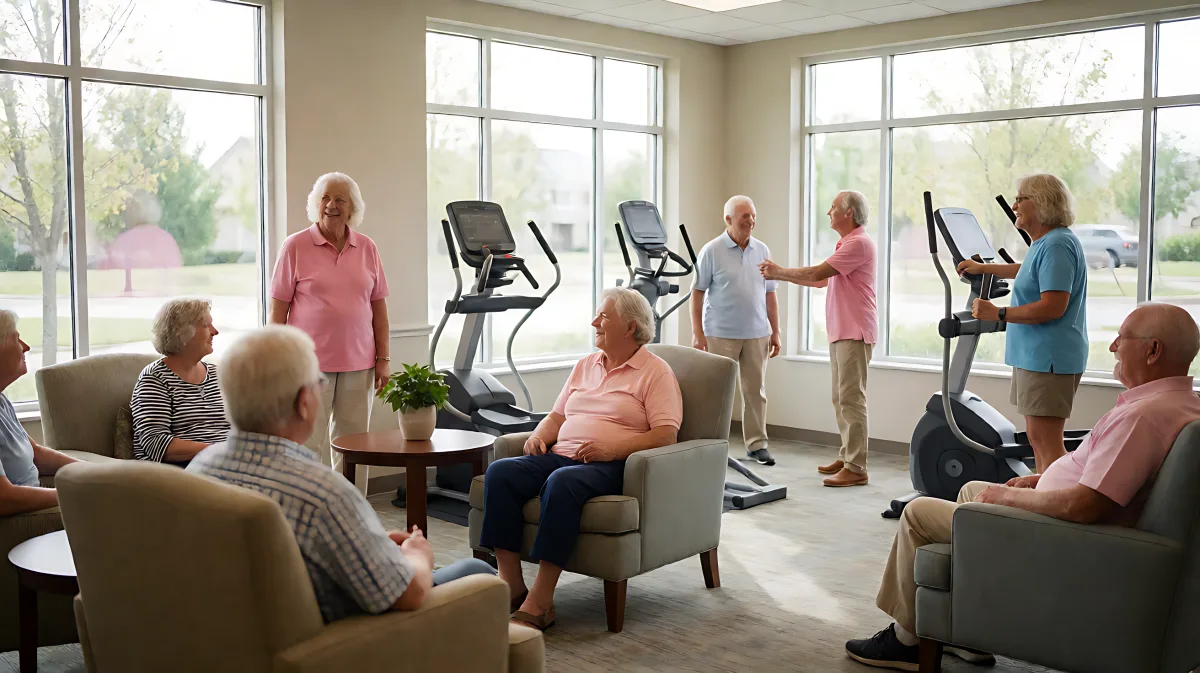
With new wellness models and evolving care standards, choosing a retirement community in 2026 requires looking beyond just housing. Discover how to evaluate lifestyle, health support, and financial fit for a secure future.
Selecting the right retirement community in 2026 involves balancing lifestyle preferences with long-term care needs. Key factors include available wellness programs, the scope of healthcare services, and transparent financial structures. Prospects should prioritize environments that support cognitive and physical health while offering clear pathways for assisted or skilled nursing care if conditions change.
What defines modern retirement living in 2026?
The landscape of senior housing has shifted significantly toward holistic wellness. No longer just about housing, top communities now integrate comprehensive health and social support directly into the daily routine. For example, operators like All Seniors Care have introduced specific wellness frameworks such as ACTIV8, which focuses on physical fitness, cognitive health, and social engagement. This approach is designed to help residents maintain independence for as long as possible.
How do wellness programs impact resident health?
Structured wellness initiatives are no longer optional extras; they are central to the resident experience. These programs typically include group fitness classes, cognitive exercises, and social activities that combat isolation. In 2026, many communities are moving beyond basic recreation centers to offer personalized care plans. This ensures that individuals with specific needs, such as those experiencing cognitive decline, receive targeted support. Organizations are increasingly employing dedicated staff to monitor these programs, ensuring that residents feel valued and supported in their daily lives.
How should you evaluate healthcare services in a community?
It is crucial to understand the continuum of care available on-site. Many Life Plan Communities, such as those in the New England region, offer a continuum that starts with independent living and transitions to assisted living, skilled nursing, and rehabilitation. This integrated model allows residents to stay in a familiar environment even as their medical needs increase.
What certifications matter for quality care?
Prospects should look for communities that hold reputable accreditation badges, such as those from the U.S. Department of Health and Human Services or state-specific regulatory bodies. For instance, Essex Meadows in Connecticut highlights its award-winning status in senior living satisfaction studies by J.D. Power and Newsweek. These third-party recognitions, updated for 2025 and 2026, serve as important indicators of service quality and resident satisfaction. Additionally, environmental certifications like LEED Gold status indicate a commitment to sustainable and healthy building practices, which can contribute to better air quality and overall wellbeing.
How do financial models affect long-term security?
Understanding the financial structure of a community is vital for retirement planning. There are two primary models: fee-for-service and continuing care retirement communities (CCRCs). In a CCRC, residents pay an initial entrance fee and monthly fees that cover housing, dining, and a range of care services. This model provides budgetary predictability, as the cost of future care is capped or governed by a specific formula.
What new financial planning strategies are relevant in 2026?
Recent financial guidance from major publishers emphasizes the importance of a complete financial checkup before committing to a community. This includes managing debt, establishing an emergency fund, and ensuring insurance coverage aligns with the community's requirements. As of 2025, financial advisors recommend distinguishing between assets needed for immediate lifestyle expenses and those reserved for long-term care. Transparency in pricing is a major focus for 2026, with communities providing detailed breakdowns of what is included in monthly fees versus what might be billed separately for specialized care.
What role does location play in your decision?
Location influences not just accessibility but also social connectivity. Communities that are minutes from urban centers, like Essex Meadows near Old Saybrook Station, offer residents the ability to visit family, access cultural events, or travel to cities like New York or Boston easily. Proximity to family members is a significant factor in maintaining social ties, which is a known determinant of mental health in seniors.
How does the physical environment support a vibrant lifestyle?
Communities are increasingly designed with natural settings in mind to reduce stress. A community set against a natural preserve, for example, provides opportunities for outdoor activities and mental relaxation. Architectural features, such as pet-friendly designs and secure entry points, also contribute to a sense of safety and comfort. The goal is to create a "home" feel that supports autonomy while ensuring safety.
What questions should you ask during a tour?
When visiting a potential community, ask specific questions about the staffing ratios and the availability of medical support. Inquire about the ratio of staff to residents, particularly during off-peak hours. Ask how the community handles emergency situations and whether medical staff are on-site 24 hours a day. Additionally, ask about the specific components of their wellness programs and whether they are tailored to individuals with cognitive impairments.
How do you verify the quality of community activities?
Look for a diverse schedule of activities that caters to different interests and physical abilities. Ask to speak with current residents about their satisfaction with the social calendar and the responsiveness of the staff. Visiting at different times of the day can give a more realistic picture of the community's vibe. Check for evidence of successful social integration, such as community events, volunteer programs, or resident councils that give members a voice in the community's direction.
Frequently Asked Questions
What is the average cost of a CCRC in the US in 2026?
Costs vary widely by region and the specific level of care included. While exact figures fluctuate, prospects should expect entrance fees ranging from $100,000 to over $500,000, plus monthly fees that can range from $3,000 to $6,000 or more. It is essential to request a detailed fee schedule and understand how the cost of transitioning to assisted or skilled nursing care is calculated within the contract.
Can I maintain my pets in a retirement community?
Many communities are pet-friendly, recognizing the mental health benefits of animal companionship. However, policies vary significantly. Some allow only small, house-trained pets, while others have no restrictions. You must ask about pet rules, including size limits, licensing requirements, and any additional fees for pet-friendly accommodations.
How do I handle the financial transition to assisted living within a CCRC?
In a typical CCRC, the cost of assisted living is absorbed into the ongoing monthly fee or is calculated based on a formula related to the community's healthcare costs. It is crucial to review the "lifetime fee" structure or the "contract type" (such as a Ross or Hutton plan) to understand how future care services are priced and whether there are any potential out-of-pocket costs for extended care.
What is the difference between a 'fee-for-service' community and a CCRC?
A fee-for-service community charges for services as they are used. If you require assisted living or skilled nursing, you pay for that specific service separately, and the cost can rise significantly with your needs. A CCRC, conversely, bundles these services into a single contract, providing price certainty for future care needs. The trade-off in a CCRC is a higher initial entrance fee, which is designed to cover the discounted cost of future care.