Best Tools for Finding Hidden Assets as an Heir
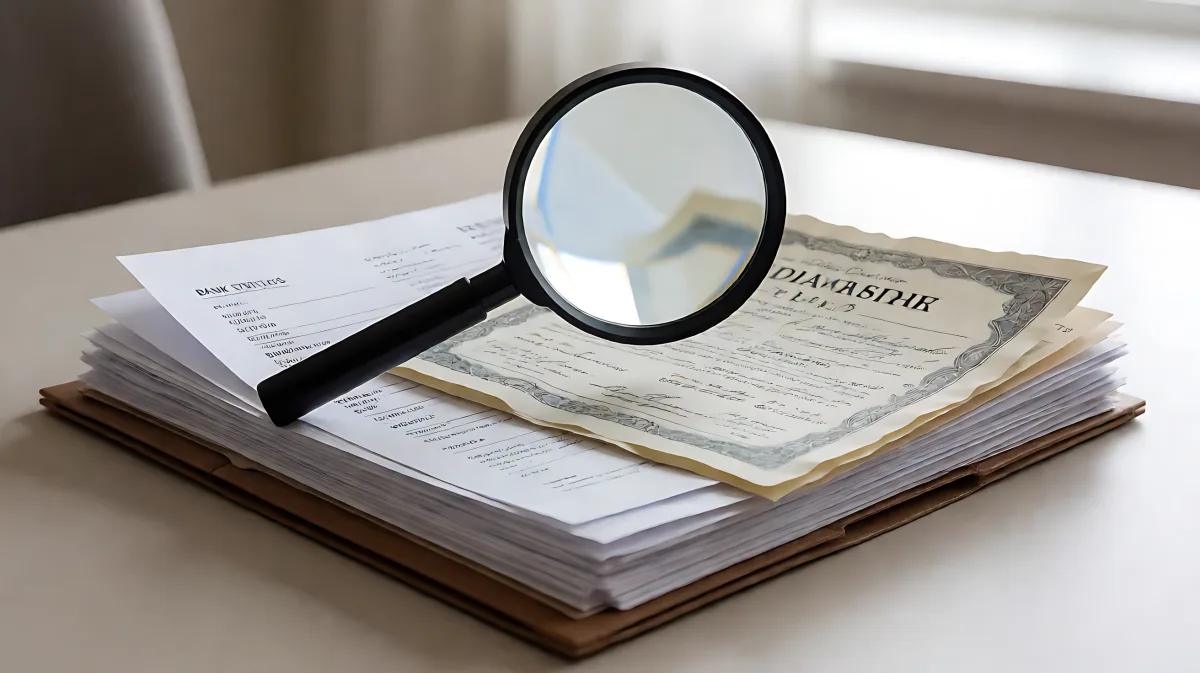
Heirs often miss significant value due to scattered accounts and paperless records. This guide reviews the best 2026 digital tools and legal strategies to locate hidden bank accounts, investments, and unclaimed property, ensuring a complete estate inventory.
Heirs can use specialized estate asset discovery tools and legal research methods to locate unknown bank accounts, unclaimed property, and investments that were not listed in a will or trust. These digital platforms search thousands of financial institutions and government databases to help executors build a complete inventory, preventing the loss of significant assets that remain in dormant or hidden status.
What Are Estate Asset Discovery Tools?
Estate asset discovery tools are digital platforms designed to help executors and heirs locate financial assets owned by a deceased person. Unlike standard estate management software that organizes known items, discovery tools actively search external databases to find accounts the family may not know exist. In 2026, these tools utilize artificial intelligence to cross-reference public records, corporate filings, and financial networks. The National Association of Unclaimed Property Administrators (NAUPA) reports that Americans are owed over $70 billion in unclaimed assets, a figure that highlights the critical need for advanced search capabilities. Without these tools, heirs often miss significant value because 90% of financial statements are now paperless, leaving no physical trail of mail or invoices to guide the search.
Why Do Heirs Miss Assets?
Many families assume that a will or trust document provides a complete list of all assets, but in fact, these documents only specify who receives the assets, not necessarily where every single asset is held. The majority of Americans do not have a comprehensive estate plan that lists every small account, insurance policy, or dormant fund. As of 2025, only about 32% of Americans had formal estate plans, meaning the remaining two-thirds leave behind fragmented records. This gap is exacerbated by the fact that people often hold accounts at institutions they no longer use, such as old employer 401(k)s or forgotten brokerage accounts, which do not announce themselves to the deceased’s next of kin.
How Do Digital Discovery Platforms Work?
Leading platforms in the 2026 market, such as Sunset and Alix, employ multi-layered search strategies. These tools do not just scan for unclaimed property; they actively query financial institutions, retirement brokerages, and real estate records. Sunset, for example, searches over 2,500 financial institutions and unclaimed property databases in all 50 states. The tool reports both what it finds and what it does not find, which is a crucial distinction for legal documentation. Alix uses AI-powered discovery combined with human expert settlement services, claiming to uncover unknown assets in more than half of the cases it handles. These platforms often include features for document management and fraud protection, ensuring that the assets found are secured during the probate process.
What Legal Methods Complement Digital Tools?
While technology accelerates the search, legal methods remain essential for confirming ownership and accessing restricted records. Heirs and executors can utilize public records such as property deeds, liens, and court judgments to verify asset status. Forensic accountants and estate litigation attorneys often use these records to trace funds that may have been transferred to trusts or shell entities. In cases where a trustee or executor is suspected of hiding assets, formal legal discovery tools, such as interrogatories and requests for production, allow beneficiaries to compel the release of information. California law, for instance, requires fiduciaries to gather and report all estate property, and failing to do so can result in legal penalties or the removal of the fiduciary.
Is It Illegal for Executors to Hide Assets?
No, it is illegal for executors or trustees to hide assets. Fiduciary duty requires them to safeguard and disclose all property belonging to the estate. Concealing accounts or delaying discovery can constitute inheritance fraud. If heirs suspect misconduct, they have the right to petition the court for a formal accounting, the removal of the fiduciary, or the appointment of a neutral personal representative. Courts in various jurisdictions take these breaches seriously and can impose surcharge damages or penalties to compensate beneficiaries for lost value.
What Is the Step-by-Step Process for Finding Hidden Assets?
Effective asset discovery requires a structured approach that combines digital searches with manual verification. Executors should follow this checklist to ensure comprehensive inventorying:
- Define the asset scope: Clarify whether you are looking for cash, real estate, investments, or personal property.
- Gather initial documentation: Collect IDs, ownership records, birth certificates, and prior court filings to establish the search perimeter.
- Initiate digital searches: Use estate asset discovery tools to query bank accounts, retirement funds, and unclaimed property databases in all relevant states.
- Review financial records manually: Examine tax returns for interest income, check bank statements for consistent transfers, and look for invoices from storage facilities or rental units in the decedent’s mail or email.
- Search for physical clues: Check for safe deposit boxes, unusual keys in drawers, or cryptocurrency wallets that may not appear on paper statements.
- Engage professionals if needed: Consult a licensed attorney or forensic accountant if initial results are inconclusive or if fraud is suspected.
Documentation is critical at every step. Heirs should keep clear records of searches, sources, and communications to support claims in probate court or during audits.
How Much Do These Services Cost?
The cost of estate settlement services varies significantly depending on the level of support provided. Most executors pay less than $5,000 in total legal fees, with 34% paying under $2,500. However, this does not include appraisal costs. Residential real estate appraisals typically range from $400 to $600, while personal property appraisals can cost between $300 and $600 per item. Platforms like Alix often charge a transparent percentage of the estate value, such as 1%, which covers discovery, legal filings, and tax management. In contrast, DIY tools like Atticus or EstateExec may have lower upfront costs but require the executor to perform the manual work of locating and verifying assets.
FAQs About Hidden Asset Discovery
Can heirs search unclaimed property on their own?
Yes, heirs can search state unclaimed property repositories independently. These databases are often searchable by name and jurisdiction. However, digital tools can aggregate these searches across multiple states, saving time and reducing the risk of missing assets in states where the decedent previously lived or worked.
What is the difference between asset discovery and estate inventory?
Asset discovery is the process of locating unknown accounts and property. Estate inventory is the subsequent step of cataloging these found assets and determining their fair market value as of the date of death. Discovery tools find the items; inventory tools organize them for court submission. Some comprehensive platforms handle both.
Do discovery tools find cryptocurrency?
Modern discovery tools are increasingly capable of identifying digital assets. Alix, for example, lists digital assets among the categories it can uncover. However, tracing cryptocurrency requires specialized forensic knowledge, as it is not always linked to traditional banking records. Heirs should specifically ask if a tool has capabilities for digital asset tracing.
What happens if an asset is found after the estate is closed?
If an asset is discovered after the final distribution, the estate may need to be reopened. This process, known as surplus assets proceeding, allows the new asset to be distributed to the heirs in the same proportions as the original estate. Keeping records of your search efforts is vital to prove diligence in this scenario.
Are there legal risks in using third-party data brokers?
Using legitimate estate discovery tools is legal and encouraged. The risk arises from using unauthorized methods, such as hacking into accounts or using coercive methods to obtain information. Reputable platforms operate within privacy laws and ethical standards, using public records and voluntary disclosure mechanisms from financial institutions.