Gifting Property to Aging Parents: Tax Consequences
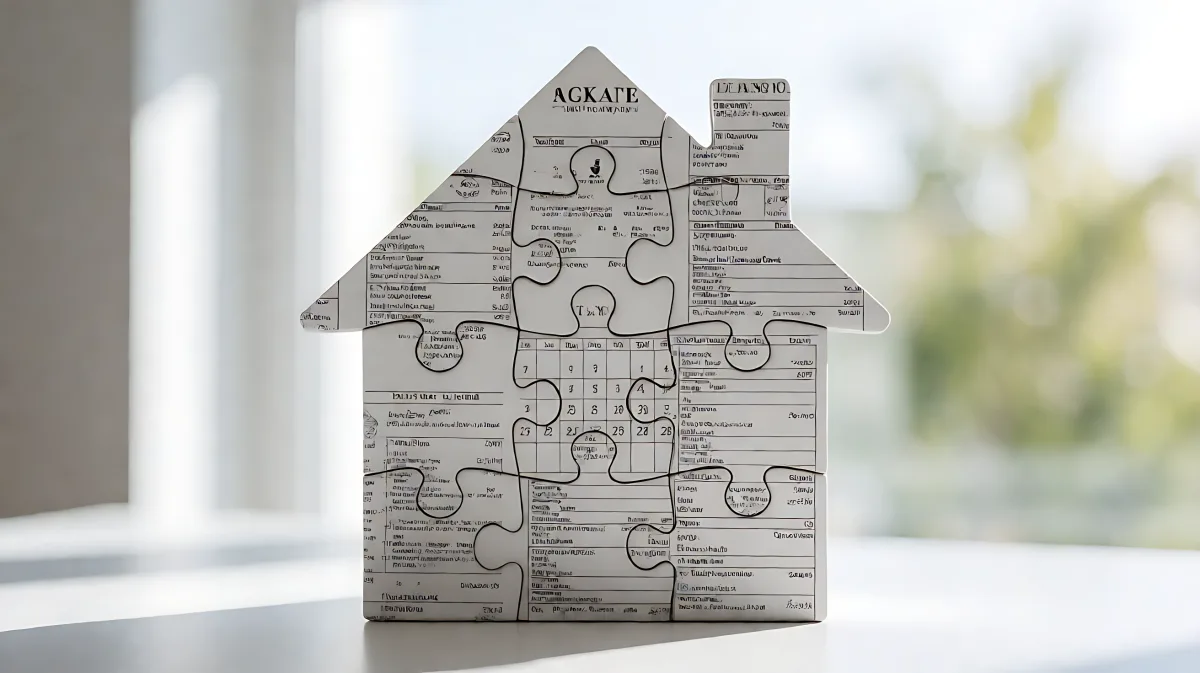
Adding a child to a parent's deed is a common estate planning tactic, but it often backfires. Discover how carryover basis, gift tax reporting, and state-specific inheritance rules can turn a well-meaning gift into a financial liability.
Gifting property to aging parents, or transferring ownership to adult children, often backfires due to 'carryover basis' rules. While the transfer may avoid immediate income tax, the recipient inherits the original purchase price as their tax cost. This means future sales can trigger massive capital gains bills that would have been avoided if the property had passed through estate with a stepped-up basis.
Why Does Gifting Property Trigger Unexpected Tax Bills?
The most common scenario leading to regret involves parents adding an adult child to their property deed to bypass probate. Many families view this as a simple administrative task to simplify inheritance. However, the Internal Revenue Service (IRS) generally treats this transfer as a taxable gift. While the parents might not owe an out-of-pocket tax bill due to high lifetime exemption limits, the move permanently alters the tax profile of the asset for the child.
The core issue is the difference between a 'gift' and an 'inheritance.' When you receive a property as a gift, you inherit the donor's 'cost basis,' which is typically the original price they paid for the home decades ago. If the property is sold in the future, capital gains tax is calculated on the difference between the sale price and this original, low basis. This can result in a tax liability that spans several decades of appreciation.
How Does Carryover Basis Differ from a Step-Up in Basis?
Tax law favors inheritance over gifting in terms of capital gains efficiency. If a property is inherited after the owner's death, it receives a 'step-up in basis.' This means the basis is reset to the property's fair market value on the date of death. If the home is worth $500,000 at death, the basis becomes $500,000. If it is sold immediately for that same amount, there is no capital gains tax. Conversely, if the home was gifted to a child while the parent was alive, and the original purchase price was $50,000, the basis remains $50,000. Selling the same $500,000 home would create a taxable gain of $450,000.
This distinction is critical for families with aging parents. By gifting the property early to avoid probate, the family may unintentionally lock in a lower basis, potentially costing thousands or even tens of thousands of dollars in capital gains tax when the property is eventually sold.
What Are the Federal Gift Tax Reporting Requirements?
Even if no immediate tax is due, the transfer of property with a value exceeding the annual exclusion triggers reporting requirements. For the current tax year, the annual gift tax exclusion allows individuals to gift a specific amount to any number of people without reporting. Once the value of the property exceeds this threshold, the donor must file IRS Form 709.
Filing Form 709 does not mean the donor owes a check to the IRS. It serves as a record of how much of their lifetime gift and estate tax exemption has been used. The lifetime exemption is substantial, currently allowing individuals to shield nearly $14 million in assets from federal tax. However, the political landscape suggests this exemption is scheduled to drop significantly in the near future. If these limits decrease, families who relied on high exemptions for gifting strategies may find themselves paying more federal tax than anticipated.
Does Adding a Child to the Deed Automatically Create a Taxable Gift?
Yes, in most cases. When parents add a child to the deed without receiving full market value in return, the IRS views the transferred ownership interest as a gift. If the value of that interest exceeds the annual exclusion, a gift tax return is required. While 'gift splitting' can allow married couples to double their annual exclusion by treating the gift as coming from both spouses, the fundamental obligation to report the transfer remains. Failure to file Form 709 can lead to penalties and interest, even if no tax is ultimately due.
How Do Inheritance Tax Rules Affect Property Gifts?
While federal estate tax only affects the wealthiest individuals, inheritance tax rules in specific states can impact a broader population. States like Pennsylvania, New Jersey, and Maryland impose their own inheritance taxes on recipients of property. In some of these jurisdictions, the tax is paid by the heir, not the estate. Gifting property during one's lifetime can sometimes reduce these liabilities if the donor survives the transfer for a specific period, known as the 'seven-year rule' in certain contexts.
However, this strategy is not without risk. If the donor dies within the specified period after the gift, the value of the property may be pulled back into the estate for tax calculation purposes. This 'clawback' provision can create a financial surprise for families who planned for immediate tax-free transfers. Furthermore, in the UK, inheritance tax rules operate under a 40% rate for estates exceeding the nil-rate band, with similar seven-year survival rules applying to 'potentially exempt transfers.'
Do State Property Tax Rules Change When Ownership Is Transferred?
In many US states, property tax is assessed based on the assessed value of the home. Gifting property can sometimes trigger a reassessment, especially if the transfer is viewed as a 'change in ownership' rather than a simple intra-family transfer. In California, for instance, a parent-to-child transfer of a primary residence or vacation home is exempt from property tax reassessment under specific Prop 19 rules, but this exemption does not apply to all states or all property types. Families must check local county assessor rules to ensure the transfer does not result in a higher property tax bill.
What Are the Risks of Joint Ownership with Aging Parents?
Adding a child to the deed as a joint tenant with rights of survivorship is a popular strategy to avoid probate. However, it creates financial and legal risks. If the parent becomes incapacitated or requires nursing home care, Medicaid look-back periods can scrutinize the transfer. If the property was gifted within the five-year look-back period, Medicaid may impose a penalty period during which the parent is ineligible for benefits. This can deplete the family's assets as the parent pays for long-term care out of pocket.
Additionally, joint ownership exposes the property to the child's creditors. If the adult child faces divorce, bankruptcy, or lawsuit, the joint interest in the parent's home could be targeted. A power of attorney for financial matters often provides a safer alternative, allowing an agent to manage the property without transferring ownership.
Frequently Asked Questions
Can I undo a property gift to avoid tax consequences?
Once a deed is recorded and ownership is transferred, it is very difficult to reverse. While you can legally transfer the property back, the tax consequences of the original gift usually remain locked in. The basis will not automatically revert, and the gift tax reporting obligations were triggered at the time of the initial transfer.
Is it better to wait until a parent dies to transfer the home?
In many cases, waiting is more tax-efficient. Inheriting a property allows for a step-up in basis, which can eliminate capital gains tax on appreciation that occurred during the parent's lifetime. The main downside is that the estate goes through probate, which can be time-consuming and costly in terms of legal fees. However, the tax savings on a high-value home often outweigh the cost of probate administration.
Do I have to pay income tax on a gifted property?
No. The recipient of a property gift does not pay income tax on the transfer itself. The property is not considered earned income. Tax implications only arise if and when the property is sold, at which point capital gains tax is calculated based on the carryover basis.
What if the property has a mortgage?
If the property has an outstanding mortgage, the lender must approve the transfer of the deed. Under the 'due on sale' clause of most mortgages, transferring the property without the lender's consent can accelerate the loan, requiring immediate repayment. The recipient may also become liable for the mortgage debt, and potential stamp duty or transfer taxes may apply if the mortgage balance is assumed.
How does the drop in the federal estate tax exemption affect gifting?
With the federal estate tax exemption expected to decrease by half in the coming years, gifting strategies become more relevant for families with modest assets. Using up the higher exemption now, while it is available, can shield more assets from future estate taxes. However, this requires careful planning, as gifting too much too early can leave the donor without sufficient assets for their own care.