Digital Estate Inventory Checklist for Accounts and Subscriptions
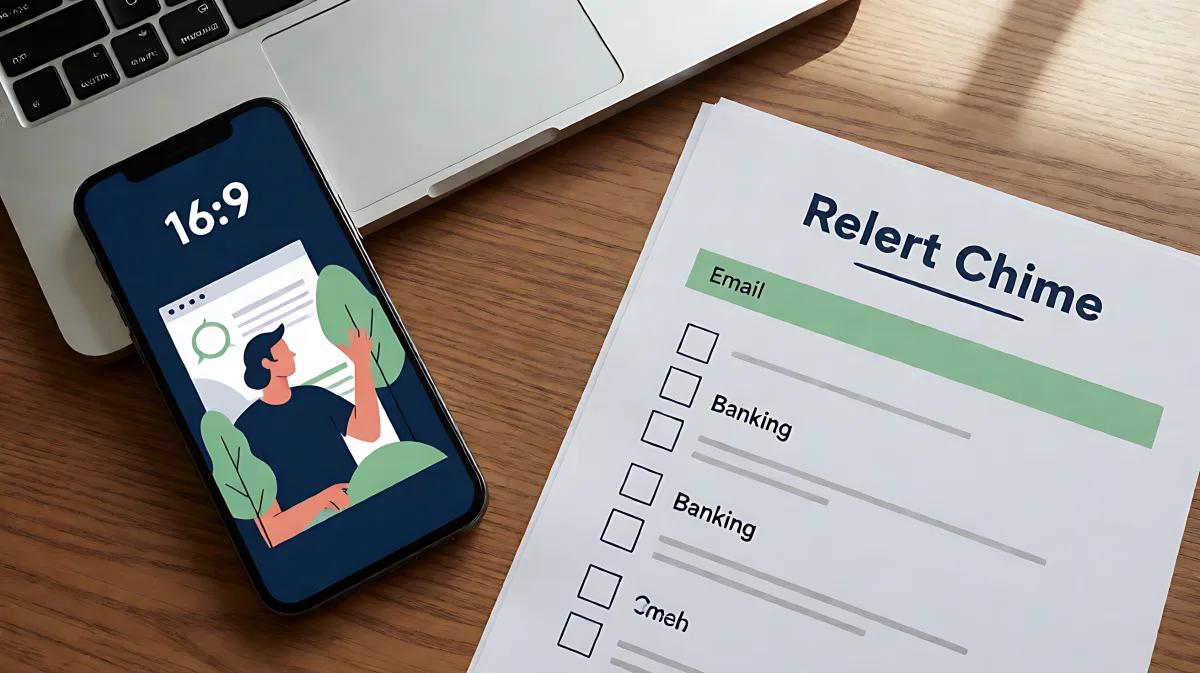
Discover how to create a comprehensive digital estate inventory. This guide provides a step-by-step checklist for organizing online accounts, securing credentials, and ensuring your loved ones can access your digital legacy without hassle.
A digital estate inventory is a comprehensive record of your online accounts, subscriptions, and devices that allows a designated executor to manage your digital assets securely. By creating this document, you ensure that critical services like email and banking remain accessible while respecting your privacy wishes, preventing financial losses or data deletion errors.
As of 2026, the average individual maintains over forty active online accounts, ranging from social media profiles to cryptocurrency wallets. However, a significant portion of users have no formal plan for what happens to these assets upon their incapacitation or passing. This gap creates unnecessary stress for families who struggle to locate credentials or navigate complex terms of service. A structured inventory bridges this gap by centralizing information and directing your loved ones to the correct resources without exposing sensitive passwords to risk.
What exactly does a digital estate inventory include?
Your digital footprint is far more complex than a simple list of usernames. It encompasses every service you rely on for communication, finance, and personal expression. To create a robust inventory, you must categorize these assets into distinct groups. According to digital estate planning guidelines from major financial institutions, the following categories are essential to any complete record:
- Email and Communication: Your primary email address is often the master key to your digital life, as it is used for password resets across multiple platforms.
- Financial Services: This includes online banking, investment accounts such as those held at major brokerages, and digital currency exchanges.
- Social Media: Profiles on major networks that may require memorialization, deletion, or transfer to a trusted family member.
- Cloud Storage and Media: Repositories for photos, documents, and backups, including services that store your personal archives.
- Subscriptions and Recurring Payments: Streaming services, software as a service tools, and online news memberships that need to be cancelled to prevent unnecessary charges.
- Smart Home and IoT Devices: Modern inventories now include access to smart locks, security systems, and voice assistants, which control physical access to your home.
How should you securely store login credentials?
The most common mistake in digital estate planning is writing actual passwords in a visible document like a will or a simple text file. These documents often become public records or are easy to lose. Instead, you should use a layered security approach that keeps the inventory document free of sensitive data.
First, designate a trusted individual as your digital executor. This person does not need to be your primary estate executor, allowing you to choose someone with specific technical skills if necessary. Next, utilize a reputable password manager to store all your credentials. The inventory document should simply note where the master access to this manager is stored, such as in a specific physical location or with a lawyer. This method ensures that the inventory can be shared with multiple family members for reference, while the actual keys to your accounts remain protected by encryption.
Why is defining your wishes for each account critical?
Having a list of accounts is only half the battle. Your executor needs clear instructions on what to do with each one. Terms of service agreements for major platforms often restrict access to the original owner, meaning your family cannot simply log in and browse your data without your prior permission. To navigate this, you must specify your intent for every major category.
For social media, decide whether you want accounts memorialized to preserve memories, deleted for privacy, or transferred to a designated user. For financial accounts, ensure that your executor has the legal authority to access and manage funds. For digital intellectual property, such as a blog or online store, provide instructions on whether to continue the work, sell the assets, or shut down the operation. Many legal frameworks now require explicit permission in a will or separate document for an executor to access email content, so ensuring your wishes are clearly documented prevents legal hurdles.
How often should you update your digital estate inventory?
Your digital life is dynamic, and new services are released constantly. Stale information can cause significant confusion during a time of grief. Experts recommend reviewing your inventory at least once every twelve to twenty-four months. Schedule this review during a regular financial check-up or alongside updating your will. When you open a new bank account, subscribe to a service, or change your phone, update the list immediately. If you switch password managers, ensure the new location is communicated to your executor and the inventory is adjusted accordingly.
What legal considerations apply to digital assets in 2026?
While laws regarding digital inheritance have evolved, they vary by jurisdiction. In the United States, many states have adopted frameworks that prioritize the user's explicit designation. If a service provider offers a tool to designate a legacy contact, that tool often takes precedence over a will. If no tool exists, the instructions in your will or a separate digital asset document guide the process. If neither exists, the default terms of service usually apply, which often restrict access to all but the original user. Therefore, checking the specific legacy policies of your most critical accounts is a vital part of the planning process. For those in the UK, similar principles apply under the Administration Act, where executors have a legal right to access digital assets, but service providers may still impose contractual restrictions. Consulting with an estate attorney to ensure your inventory aligns with current local laws is strongly advised.
Frequently Asked Questions
Should I include cryptocurrency in my digital estate inventory?
Yes, cryptocurrency is a high-value digital asset that requires specific handling. You must record the exchanges where your funds are held and the location of any hardware wallets or seed phrases. Do not write the seed phrase in the inventory document itself; instead, note where the physical security key or written phrase is securely stored, such as a safe deposit box.
How do I handle two-factor authentication for my executor?
Two-factor authentication can be a major barrier for executors. Ensure that your recovery methods, such as backup codes or trusted phone numbers, are documented in your secure password manager. Provide your executor with access to the backup phone or the recovery codes so they can verify their identity when accessing critical accounts like email or banking.
What if I want to delete all my social media after death?
You can specify this in your inventory and will. While some platforms have default policies, explicit instructions override many defaults. List each account and mark it for deletion. Provide your executor with the steps to contact support if the automatic deletion option is not available, ensuring your privacy wishes are respected without leaving behind active profiles that could be exploited.