How Community Land Trusts Create Stable Elder Housing
The community land trust model offers a path to permanent housing affordability for seniors by separating land ownership from building ownership. This guide explains how it works, the benefits for elders, and current implementation trends in the US and UK.
Community land trusts (CLTs) are nonprofit organizations that separate the ownership of land from buildings to keep housing permanently affordable. For elders, this model ensures that as they age in place, the cost of housing does not skyrocket, providing long-term stability against market inflation. By removing land value from the pricing equation, CLTs allow seniors to maintain lower monthly costs or equity limits, making this a vital strategy for sustainable senior living.
How the community land trust model works for seniors
Traditional real estate markets often price homes based on the combined value of land and structure. In a CLT framework, the nonprofit trust holds the title to the land in perpetuity, while the resident owns the building above. This structure prevents speculators from buying up land in desirable senior neighborhoods, which can drive out older residents. Instead, the trust leases the land to the senior resident. This arrangement typically includes a resale restriction, meaning that when a senior moves on, the home is sold at a formula-based price that prevents massive profit margins. This keeps the entry point for the next senior affordable, creating a cycle of permanent affordability.
What are the specific benefits for aging in place?
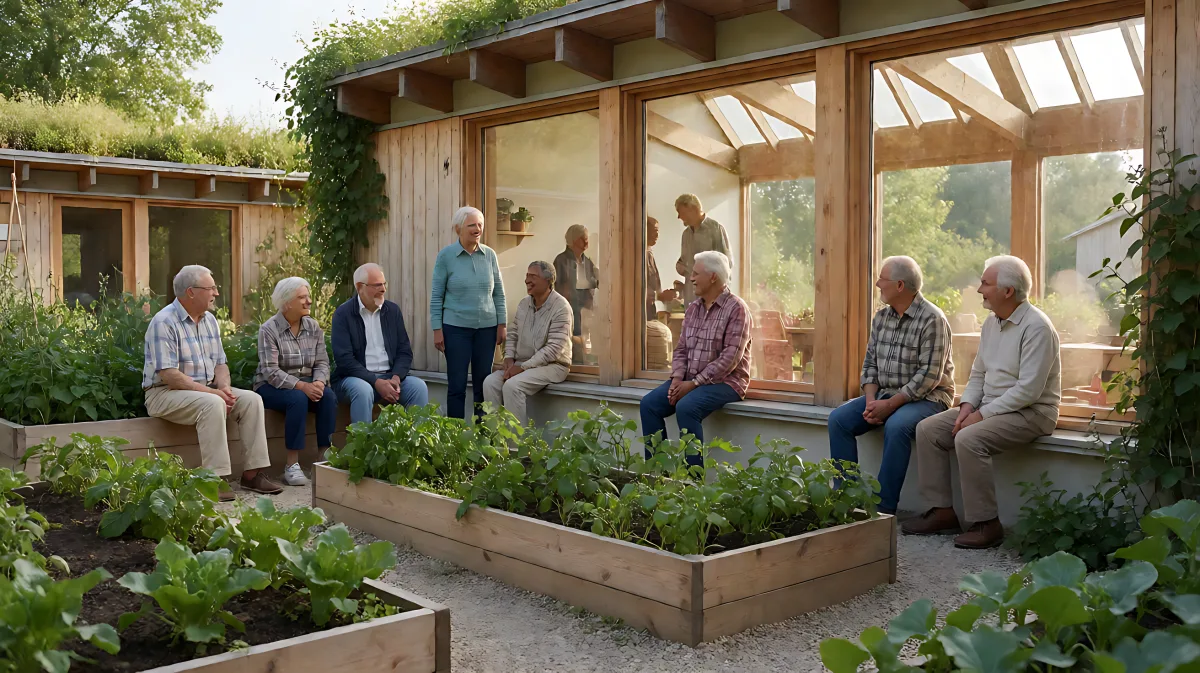
For older adults, the primary challenge is balancing housing costs with the need for community and safety. The CLT model addresses this by offering stable rental rates or predictable homeownership costs. Because the land is held by the trust, property taxes and insurance on the land are often managed by the organization, which can simplify financial planning for seniors. Furthermore, many CLTs incorporate shared amenities such as gardens, common houses, and maintenance services. These features combat social isolation, a major health risk for seniors, by fostering a strong sense of community. Residents often participate in governance, giving them a voice in how their living environment evolves, which supports autonomy and dignity in later life.
How does this model differ from traditional retirement communities?
Unlike traditional retirement communities, which may charge high monthly fees and impose strict age limits, CLTs are often mixed-income and community-driven. While many CLTs focus on elder housing, some include multi-generational designs where older adults live alongside younger families or small businesses. This integration can provide social benefits, such as intergenerational mentorship and shared resources. However, not all CLTs are specifically designed for seniors. Elders may need to seek out or help establish trusts that have a specific mission for aging in place. The flexibility of the CLT structure allows for various configurations, from single-family homes to apartment complexes, tailored to the local demographic needs.
What are the real-world examples of CLTs in the US?
One notable example is the Douglass Community Land Trust in Washington, DC. Established as part of an equitable development plan, it now serves over 200 units in the community. The trust uses a pay-it-forward model, where homeowners leave a portion of their appreciation in the property for future residents. This approach aligns with goals of racial and economic equity. In New York City, the Interboro Community Land Trust, formed by four major nonprofits, focuses on creating permanently affordable homes for lower-income households across the five boroughs. These organizations demonstrate that CLTs can be powerful tools for preserving neighborhood stability and preventing displacement, which is particularly critical for seniors who have deep ties to their communities.
Is the community land trust model effective in the UK?
While community land trusts are more prevalent in the United States, similar concepts exist in the UK under the banner of social housing and community ownership. In the UK, trusts often partner with local councils to hold land and manage housing stock. The principles of separating land and building value are also used in British social housing to ensure affordability. As housing pressures mount in major UK cities, there is growing interest in adopting CLT-style models to keep older residents in their neighborhoods. Organizations advocating for this model emphasize the need for community control and long-term stewardship of housing resources.
What challenges do seniors face when joining a CLT?
Despite their benefits, CLTs are not without hurdles. The process of acquiring a home through a trust can be complex and time-consuming. Not all CLTs offer immediate availability, and waitlists may be long. Additionally, the resale restrictions mean that seniors cannot build significant equity in the way they could in a standard market purchase. While they build some equity, the majority of the land value remains with the trust. For seniors who rely on their home as a primary asset for retirement funding, this can be a drawback. It is crucial for individuals to understand the specific terms of their lease or deed and how it aligns with their long-term financial plans. Counseling from legal and financial advisors experienced in CLTs is recommended before making a move.
How can a community start a CLT for elder housing?
Starting a CLT requires a dedicated group of residents, advocates, or local organizations. The first step is to identify a piece of land that needs to be kept affordable. Once the land is secured, the trust must be incorporated as a nonprofit. This involves creating a board that includes a mix of residents and community stakeholders. The trust then develops a land use plan, which dictates how the property will be used for housing, common spaces, or services. Fundraising is a significant part of this process, as CLTs often rely on grants, donations, and public-private partnerships to purchase land at below-market rates. Technical assistance from national networks can help new trusts navigate legal and financial complexities.
FAQ
Does a community land trust owner ever own the land?
No, the community land trust organization holds the title to the land in perpetuity. The resident owns the building and has a long-term lease on the land. This separation is the key mechanism that prevents speculation and ensures the housing remains affordable for future generations.
Can seniors move out of a CLT home?
Yes, seniors can sell their home or transfer their lease rights to a qualified buyer. However, the sale price is capped by a pre-agreed formula, often based on cost increases or a percentage of the home's value. This ensures that the next buyer can also afford the home, keeping the cycle of affordability intact.
Is the CLT model suitable for high-cost cities?
Yes, it is particularly suited for high-cost cities where market rates are out of reach for most seniors. By removing the volatile land price from the equation, CLTs can offer housing at a fraction of the market rate. Cities like Washington, DC, and New York have actively supported CLTs to address housing crises in high-demand urban areas.