Design a Balanced Retirement Routine in 5 Steps
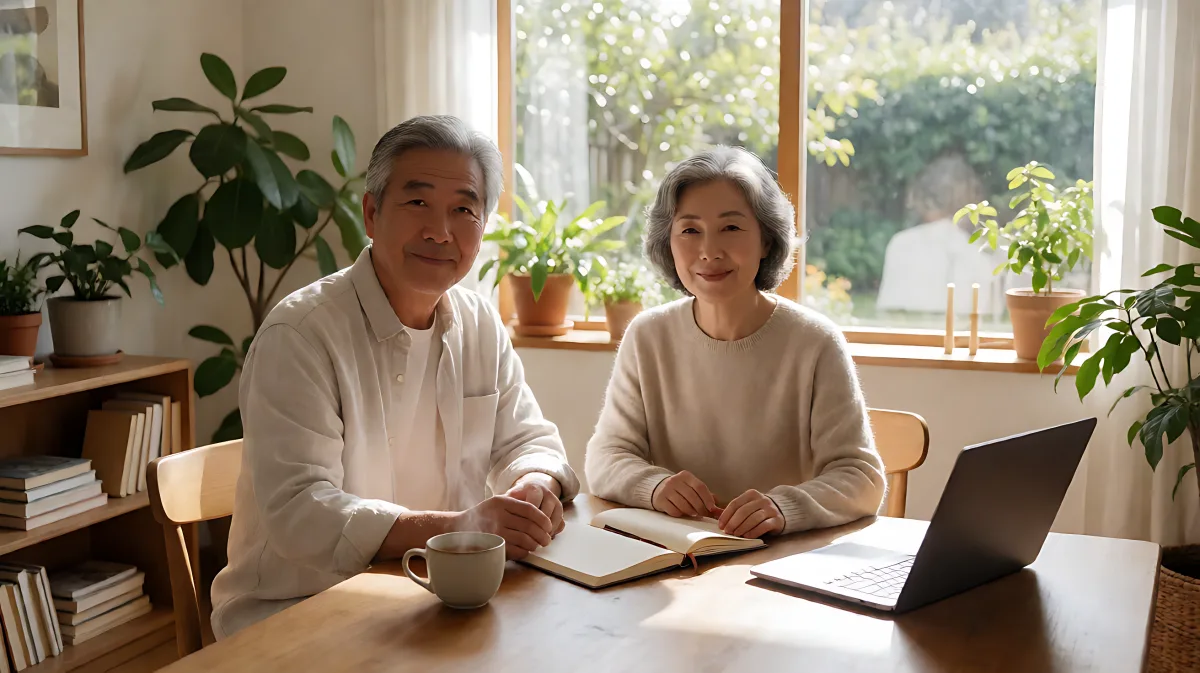
Retirement is an identity transition, not just a financial event. Discover how to build a meaningful daily structure using a 5-step framework.
Retirement success hinges on building a purposeful daily routine that replaces the structure of work with intentional habits. It is not about resting endlessly, but about creating a framework that supports physical health, social connection, and intellectual growth. By designating 90 minutes for your morning ritual and tracking progress through measurable goals, you can transform the 'empty calendar' into a vibrant second act filled with meaning and community.
Why structure matters more than money in retirement
Most professionals spend decades managing a calendar defined by an employer. When that external structure vanishes, a void often appears that money alone cannot fill. Ram Narayan Singh, a senior official who served the Khadi & Village Industries Commission in India, argues that the biggest shock of retirement is not the loss of salary, but the loss of identity and purpose. He observes that while many retirees prepare financially, few prepare personally for the transition. Without a new routine, the mind can drift into rumination or isolation.
The core challenge is that habits become your new identity. A pension covers expenses, but a meaningful routine provides emotional and intellectual dividends. Think of this as a compounding effect: small, consistent actions like daily movement, learning, or service build over time to create a richer, more engaged life.
What is a holistic retirement routine?
A balanced approach moves beyond financial security to include six dimensions of wealth. First, diversify income streams through consulting or mentorship to reduce reliance on a single pension. Second, prioritize physical health as the foundation for enjoying all other activities. Third, stimulate the mind by learning new skills or engaging with technology. Fourth, cultivate spiritual peace through mindfulness or gratitude. Fifth, deepen relationships by actively investing time in family and community. Finally, focus on purposeful contribution, such as volunteering or teaching, to maintain a sense of utility.
Greg Pallone, a leadership coach, emphasizes that retirement is a practice, not a prepackaged lifestyle. He suggests creating a 'portfolio of roles,' selecting three to five personas to inhabit, such as partner, learner, or mentor. This intentional design prevents the 'identity unbundling' that occurs when professional titles are lost.
How to build a sustainable daily schedule
Effective routines do not require filling every hour with activity. Instead, they anchor the day with intention. A recommended 90-minute morning block can set the tone for the day:
- 10 minutes: Practice gratitude or quiet reflection.
- 20 minutes: Engage in physical movement like yoga, stretching, or a brisk walk.
- 15 minutes: Meditate or practice mindful breathing to reset the mind.
- 20 minutes: Dedicate time to reading, learning a new skill, or studying a topic of interest.
- 15 minutes: Review personal goals, investments, or side projects.
- 10 minutes: Identify one meaningful action to complete that day.
This structure is about staying intentional rather than busy. Pallone advises treating your week with the same discipline you once applied to your job, ensuring you do not simply let days drift by.
What mistakes should you avoid after retiring
Several common pitfalls can undermine a new lifestyle. First, retiring from learning is a significant error; curiosity keeps the brain plastic and engaged. Second, relying solely on pension income can create anxiety; diversification offers flexibility. Third, substituting purpose with passive entertainment, such as endless television, fails to provide the reward gap left by work.
Fourth, social contraction occurs when daily interactions fade. Isolation weakens both physical and mental health, so it is vital to stay connected. Fifth, postponing dreams until you 'feel ready' is a trap. The best time to pursue a new hobby or project is often now. Additionally, be wary of the comparison trap, where social media highlights the best parts of others' lives, amplifying feelings of inadequacy.
How to measure progress in your second act
To prevent drift, create a new scoreboard. Instead of tracking financial assets alone, measure meaningful activities such as consistent physical movement, moments of mindfulness, and acts of service. Pallone suggests running 90-day purpose projects, setting measurable goals each quarter, and regularly reviewing your progress.
GenCare Lifestyle, a senior housing provider in Western Washington, supports this through their 'Whole Life Living' approach. Their program is built on four pillars: Eat Better, Move Better, Think Better, and Live Better. They emphasize that health and purpose are interconnected, offering residents access to certified personal trainers, scratch-prepared meals, and cognitive enrichment activities. By curating a circle of like-minded individuals, residents can maintain the social engagement that is critical for longevity.
What role does community play in routine building
Community is the glue that holds a new routine together. Isolation is a primary risk for retirees. Joining groups for hobbies, learning, or service provides a built-in accountability system. It also helps counteract the loss of the 'tribe' that comes with leaving a workplace. Whether through local volunteer organizations or specialized senior living communities, regular interaction with others helps maintain social health and provides a support network for physical and emotional well-being.
Frequently Asked Questions
How much time should I spend on my new routine?
You do not need to fill every hour. A dedicated 90-minute morning block is often sufficient to anchor the day. Consistency is more important than duration. Aim for daily engagement in at least one physical, one mental, and one social activity.
Is it too late to start learning new skills in retirement?
It is not too late. Neuroplasticity persists throughout life. Learning new skills, such as a language, instrument, or technology tool, provides cognitive stimulation and a sense of achievement. Embrace being a beginner.
What if I feel depressed about losing my work identity?
This is a common experience known as 'identity unbundling.' It is helpful to create a portfolio of roles, such as mentor, learner, or citizen. If persistent low mood, loss of interest, or changes in sleep and appetite occur, it is crucial to seek professional help from a healthcare provider.
Do I need to move to senior housing to find community?
No, but communities that support 'Whole Life Living' principles can provide structured opportunities for health and connection. You can also find similar support in local clubs, volunteer organizations, and group classes.
How can I avoid the comparison trap on social media?
Practice digital hygiene by setting no-scroll time zones, especially in the morning. Focus on your own scoreboard of progress, which tracks meaningful personal activities rather than external achievements or lifestyle posts.